
Side Dishes
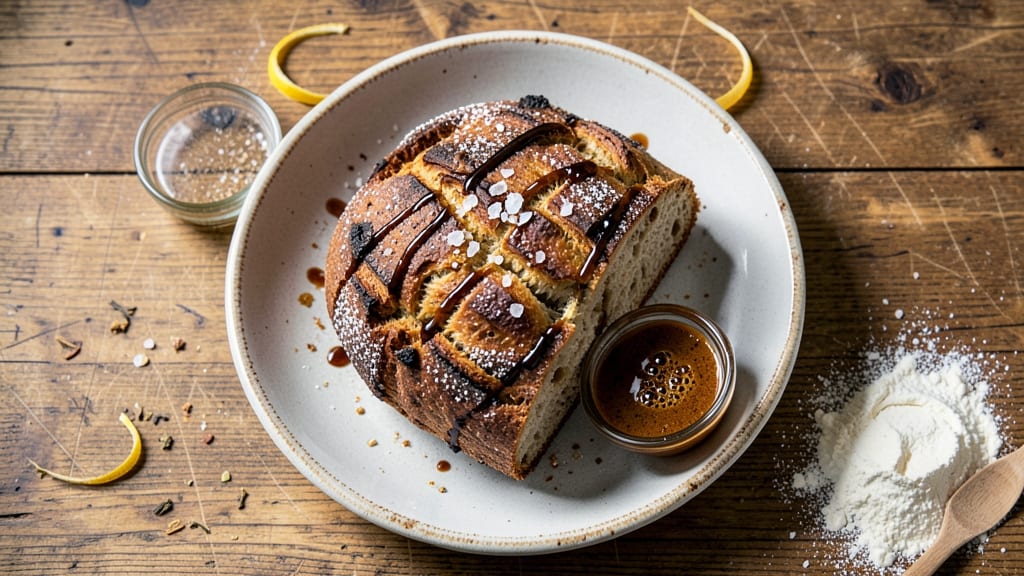
This authentic Swedish rye bread recipe brings the hearty, molasses-kissed flavor of traditional ruggbröd to your kitchen—dense crumb, dark crust, and seeds that crunch with every bite. The key to authenticity lies in the sour dough starter and rye flour, which develop deep, tangy notes as they ferment.
Unlike lighter breads, this recipe requires patience: a slow rise and careful baking to achieve that signature crispy crust and tender interior.
What sets this bread apart is its hearty texture, achieved through a mix of rye flour and whole grains, plus a touch of molasses for that signature sweet-tart balance.
The dough is shaped into a classic round loaf, then baked until the crust turns a rich, dark amber—just like the bread you’d find in Swedish bakeries. While it takes time (about 24 hours from start to finish), the process is straightforward once you master the fermentation.
The result is a loaf with a crispy, molasses-infused crust that gives way to a dense, slightly chewy crumb studded with seeds. This bread isn’t just for sandwiches—it pairs beautifully with sharp cheeses, smoked salmon, or even as a base for open-faced smörgåsar.
The aroma alone will transport you to a cozy Swedish fika table.
Perfect for those who appreciate traditional baking with a rustic touch, this recipe delivers restaurant-quality results at home. Let’s get started on your first loaf of ruggbröd—your taste buds will thank you.
Ingredients for authentic swedish rye bread
These twelve ingredients transform your kitchen into a Swedish bakery—molasses-rich crust, tangy crumb, and seeds that crunch like Nordic winter.
| Ingredient | Amount | Notes |
|---|---|---|
| Active Sourdough Starter 🍞 | ½ cup | Well-fed, bubbly starter |
| Dark Rye Flour 🌾 | 3 cups | High-extraction for deep flavor |
| All-Purpose Flour 🌾 | 1 cup | For lighter texture |
| Unsweetened Molasses 🍯 | ¼ cup | Dark, robust variety |
| Granulated Sugar 🍚 | 1 tbsp | Balances molasses sweetness |
| Active Dry Yeast 🍄 | ¼ oz | Or 1 packet instant yeast |
| Warm Water 💧 | 1 ½ cups | 105-110°F for activation |
| Sunflower Seeds 🌻 | ¼ cup | Toasted for extra crunch |
| Sesame Seeds 🌿 | 2 tbsp | For nutty depth |
| Flaky Sea Salt 🧂 | 1 ½ tsp | Diamond Crystal preferred |
| Cornmeal 🌽 | ¼ cup | For dusting baking sheet |
| Coarse Salt 🧂 | 1 tbsp | For crust enhancement |
| Cold Water ❄️ | ½ cup | For final dough shaping |
The dark rye flour is non-negotiable here—King Arthur or Bob's Red Mill are my go-tos, but any high-extraction rye will work. Skip the light rye, it won't give that authentic ruggbröd depth. For your sourdough starter, if you're new to fermentation, King Arthur's Sourdough Starter Kit is a lifesaver. The molasses? Grocery Outlet usually has the darkest, cheapest variety—look for 'unsulphured' on the label. Your starter should be at its peak when you mix it with the wet ingredients, so feed it 4-6 hours before using. The seeds? Toast them in a dry pan for 3-4 minutes until fragrant—that aroma is what makes this bread smell like a Swedish fika table.
No molasses? Substitute with 1 tbsp more sugar plus 1 tbsp dark brown sugar, but you'll lose that signature depth. Running out of rye flour? Pumpernickel flour works in a pinch, though the texture will be slightly denser. For the yeast, if your kitchen's cold, warm the water to 110°F and let it sit for 5 minutes before mixing. The cornmeal is key for preventing sticking—don't skip it. And if you're feeling fancy, swap the sunflower seeds for linseeds (flaxseeds)—they're traditional in many Swedish rye breads. Just remember to toast them first.
This dough is a patience test—24 hours from start to finish, but every minute develops those complex flavors. Shape your loaf into a classic round, then let it proof at room temp for 2 hours before scoring. For the crust, brush with cold water and sprinkle that coarse salt right before baking—it'll create those gorgeous amber cracks. Store wrapped in a clean kitchen towel for 3-4 days at room temp, or freeze slices for up to 3 months. Pro tip: The bread tastes even better the next day once all those flavors meld together—make extra.
Why You'll Love This Recipe
- No-Knead Magic: I swear by this dough—just mix, let it rise, and bake. The sourdough starter does all the heavy lifting while you sip coffee.
- Molasses-Kissed Depth: That dark rye flour and molasses? It’s like a warm hug in bread form—earthy, slightly sweet, with a crackly crust that begs for butter.
- Weeknight Workhorse: Toss it in lunchboxes, toast it for breakfast, or serve it with dinner—it’s my go-to for when I’m too tired to think. (Yes, even on a Tuesday night.)
- Budget-Friendly Staple: A single batch feeds my family for days, and the ingredients won’t break the bank. Honestly, it’s the kind of bread that makes grocery shopping feel rewarding.
Step-by-step instructions for authentic Swedish rye bread
Here's how to craft a traditional Swedish rye loaf with a signature molasses crust and nutty seed crunch.
Activate the Sourdough Starter
In a medium bowl, combine the 0.5 cup active sourdough starter with 1.5 cups warm water (105-110°F). Let it sit for 10-15 minutes until it becomes frothy and slightly bubbly. This activation primes your starter to work with the dense rye flour. If it doesn't bubble, your starter may need refreshing—feed it 1:1:1 (starter:flour:water) ratio and wait another hour before proceeding.
While waiting, toast the 0.25 cup sunflower seeds and 2 tbsp sesame seeds in a dry skillet over medium heat for 3-4 minutes until fragrant and lightly golden. Transfer them to a plate and let cool completely—their nutty aroma will enhance the bread's character. This step is crucial for authentic Swedish rye, where seed crunch is a defining feature.
Mix the Dough for Optimal Texture
In a large mixing bowl, whisk together 3 cups dark rye flour, 1 cup all-purpose flour, 1 tbsp granulated sugar, 1.5 tsp flaky sea salt, and the toasted seeds. Create a well in the center and pour in the activated starter mixture. Stir with a wooden spoon until just combined—you'll see a shaggy, sticky dough form.
Cover the bowl with a damp towel and let it rest for 30 minutes. This initial hydration allows the rye flour to soften slightly, making it easier to handle. The molasses will come later—adding it now would inhibit gluten development. After resting, add 0.25 cup unsweetened molasses and 0.25 oz active dry yeast, then mix again until fully incorporated. The dough should be thick but pliable, like wet sand.
Develop the Dough Through Bulk Fermentation
Turn the dough onto a lightly floured surface and knead gently for 5-7 minutes until smooth. Swedish rye dough is less elastic than wheat dough, so don't overwork it—just enough to distribute ingredients evenly. Shape into a loose round and place it back in the bowl.
Cover and let ferment at room temperature for 4-6 hours, or until the dough has nearly doubled in size and shows active bubbles. The molasses and rye flour create a slower fermentation, so patience is key. Poke the dough gently—if it springs back slowly, it's ready. If not, let it ferment another hour. This long fermentation develops the bread's deep, complex flavors that define authentic Swedish rye.
Shape and Final Proof for Structure
Lightly dust a work surface with 0.25 cup cornmeal and turn out the dough. Gently shape it into a 9-inch round loaf by pulling the edges toward the center while rotating the dough. Place it seam-side up on a parchment-lined baking sheet, then cover loosely with plastic wrap. Let it proof at room temperature for 1-2 hours, until it's puffy and jiggly when shaken gently.
While proofing, preheat your oven to 375°F. Sprinkle the loaf generously with 1 tbsp coarse salt and 0.5 cup cold water—this creates the signature molasses crust. The cold water helps dissolve the molasses, which will caramelize beautifully during baking. The salt enhances the bread's depth of flavor and prevents over-browning.
Bake to Perfection with Steamed Heat
Place the baking sheet on the middle rack and bake for 45-50 minutes, until the crust is deep mahogany and the internal temperature reaches 205-210°F. For the first 10 minutes, bake with the oven door slightly ajar to allow steam to escape—this creates a crisp crust without over-browning.
If the top browns too quickly, tent loosely with foil. The bread is done when it sounds hollow when tapped on the bottom. Let it cool on a wire rack for at least 1 hour before slicing—this allows the crumb to set properly. The result should be a dense yet tender loaf with a sticky molasses crust, nutty seed crunch, and a subtle sweetness that balances the rye's earthiness.
Pro Tips For Making Authentic Swedish Rye Bread
- Hydrate the Rye First: Dark rye flour absorbs water like a sponge—if you skip this, your dough will turn into glue. Mix the rye flour with warm water (about 120°F) and let it sit for 30 minutes before adding the rest of the ingredients. This step prevents a dense, gummy mess and gives that classic Swedish chew.
- Use Molasses Sparingly: I learned this the hard way—too much molasses makes the bread taste bitter and overpowering. Stick to the recipe’s amount (usually 1-2 tablespoons) and balance it with the sugar. If you’re unsure, taste the dough before shaping; it should be sweet but not cloying.
- Shape Tightly, Score Deeply: Swedish rye bread needs structure to hold its shape during baking. Press the dough firmly into a tight loaf (or round) and score it with a razor—about ½ inch deep. This prevents cracks and ensures an even rise. (Yes, even if your hands get tired.)
- Bake in a Dutch Oven: Skip the regular pan—this bread needs steam and even heat. Preheat your Dutch oven with a metal tray inside for 30 minutes. The steam mimics a bakery oven and guarantees a crisp crust without burning the top. (Your future self will thank you.)
Health benefits of this dish
Fiber-Rich Foundation
This Swedish rye bread is a fiber powerhouse, thanks to its dark rye flour and whole seeds. A single 2-slice serving delivers about 8 grams of dietary fiber—nearly 30% of your daily needs—that supports digestive health and helps regulate blood sugar levels.
The combination of soluble and insoluble fiber in rye makes this bread particularly effective for gut health, reducing bloating and promoting regularity. 💪
Complex Carbohydrates
The slow-digesting carbohydrates in rye flour provide sustained energy without the blood sugar spikes of refined grains. This makes it an excellent choice for maintaining steady energy levels throughout the day, perfect for breakfast or as a snack.
The molasses adds natural sweetness while contributing minerals like calcium and magnesium, balancing the bread's nutritional profile. These complex carbs also help keep you full longer, reducing unnecessary snacking.
Probiotic Benefits
The active sourdough starter introduces beneficial probiotics that improve gut microbiome diversity. These live cultures aid digestion and may reduce inflammation in the gut. Research shows that sourdough fermentation enhances nutrient bioavailability, particularly for minerals like iron and zinc, which are often poorly absorbed from plant-based foods.
The tangy flavor you develop during fermentation is a natural indicator of these probiotic benefits at work. 🌱
Low Glycemic Impact
With a low glycemic index (GI), this bread won't cause rapid spikes in blood sugar, making it ideal for diabetics or those monitoring carbohydrate intake. The rye flour's high lignin content slows digestion, leading to more gradual glucose release.
This characteristic makes it a smarter choice than white bread for anyone watching their blood sugar levels or managing insulin sensitivity. The molasses adds a touch of sweetness without significantly raising the GI.
Seed-Packed Nutrition
The sunflower and sesame seeds contribute healthy fats, vitamin E, and selenium, while adding texture and crunch. Just 2 tablespoons of these seeds provide 10% of your daily selenium needs, a powerful antioxidant that supports thyroid function and immune health.
The seeds also offer plant-based protein, making this bread a more complete nutritional package than traditional white bread. Toasting them before baking enhances their flavor and nutrient availability. 🌻
Molasses for Mineral Boost
The unsweetened molasses in this recipe isn't just for flavor—it's a mineral-rich powerhouse. Just ¼ cup provides calcium, iron, and magnesium, with the iron being particularly bioavailable thanks to the sourdough fermentation process.
These minerals support everything from bone health to energy production. The molasses also adds a subtle sweetness that enhances the bread's overall appeal without refined sugars. 🍯
Nutrition facts
Frequently asked questions
Can I make this Swedish rye bread without a sourdough starter?
Yes, but the flavor won't be as authentic. Replace the 0.5 cup starter with 1 cup active dry yeast dissolved in warm water and let it sit for 5 minutes until foamy. The bread will still rise, but you'll lose the tangy depth from natural fermentation. For a compromise, try a 1:1 sourdough starter to yeast ratio—this gives some fermentation benefits while ensuring rise.
Why does my Swedish rye bread turn out dense instead of light?
Rye bread is naturally denser than wheat bread, but overmixing or underproofing can make it too heavy. The key is gentle handling—knead just until ingredients combine (5-7 minutes) and let it ferment fully (4-6 hours). If your dough isn't rising enough, check your yeast (it should be fresh) and ensure your kitchen is warm enough (75°F+). The molasses also slows fermentation, so be patient!
How do I store Swedish rye bread to keep it fresh?
Wrap the cooled loaf tightly in a clean kitchen towel or beeswax wrap, then place it in a paper bag at room temperature. This method keeps it fresh for 3-4 days. For longer storage, slice and freeze the bread—it reheats beautifully in a toaster or oven. The crust stays crispy when stored properly, while the crumb remains tender. Avoid plastic bags to prevent sogginess.
What's the best way to serve this Swedish rye bread?
This bread shines as a sandwich base for smörgåsar (Swedish open-faced sandwiches) with toppings like smoked salmon, herring, or sharp cheeses. Toast slices lightly to enhance the crust's crunch. It also pairs perfectly with soups, stews, or as a side with cold cuts. For dessert, try it with Swedish cinnamon buns or a dollop of lingonberry jam—the molasses crust adds a delightful contrast.
Can I substitute any ingredients to make this gluten-free?
Swedish rye bread isn't traditionally gluten-free, but you can adapt it using a 1:1 gluten-free flour blend (like Bob's Red Mill 1-to-1) plus xanthan gum for structure. Replace the seeds with chopped nuts if needed, and use a gluten-free molasses substitute. Note that the texture will be denser, and the crust may not be as crispy. For best results, follow a dedicated gluten-free rye bread recipe.