
Breakfast & Brunch
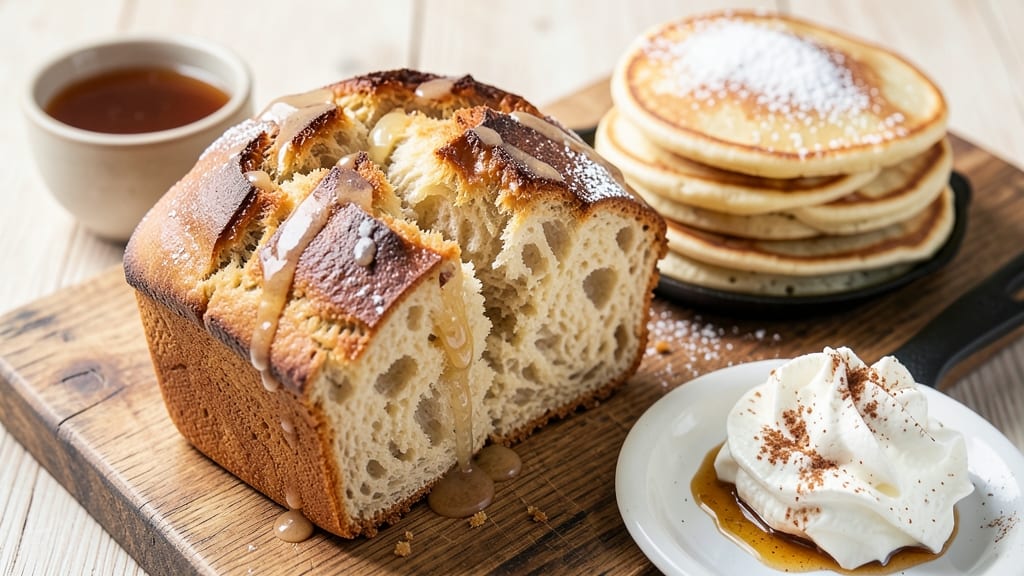
Aunt Jemima pancake mix isn't just for fluffy breakfast stacks—it's the secret to creating a fluffy, buttery loaf that tastes like a cross between pancakes and homemade bread. 💛 The magic happens when you transform that familiar mix into a soft, swirled loaf with a tender crumb and golden crust, perfect for weekend breakfasts or brunch gatherings.
This recipe takes advantage of the pancake mix's leavening power and natural sweetness, while adding a touch of butter for richness. The result is a moist, slightly sweet bread with pockets of buttery swirls that make every slice irresistible.
No yeast required—just mix, bake, and enjoy a loaf that's easier to make than you'd expect.
The best part? This bread stays fresh for days, making it ideal for meal prep or gifting. The buttery swirls add visual appeal and a delicious contrast to the soft, pancake-inspired crumb.
Whether you're serving it toasted with jam or as a side to savory dishes, this loaf delivers restaurant-quality comfort with minimal effort.
Ready in just 45 minutes, this recipe is perfect for busy mornings or when you crave something familiar with a twist. Let's get started—your kitchen will smell like a breakfast dream come true.
Ingredients for aunt jemima pancake mix bread
Eight simple ingredients transform pancake mix into a restaurant-worthy loaf with golden swirls.
| Ingredient | Amount | Notes |
|---|---|---|
| Aunt Jemima Complete Pancake & Waffle Mix 🥞 | 3 cups | Original flavor preferred |
| Unsalted Butter 🧈 | ¾ cup | Cold, cubed for swirls |
| Large Eggs 🥚 | 2 whole | Room temperature |
| Whole Milk 🥛 | 1 ¼ cups | Warmed slightly for mixing |
| Granulated Sugar 🍚 | ¼ cup | For added sweetness |
| Vanilla Extract 🍯 | 1 tbsp | Pure, high-quality |
| Baking Powder 🧂 | 1 tsp | Ensures extra lift |
| Salt 🧂 | ½ tsp | Kosher or sea salt |
| All-Purpose Flour 🌾 | 1 cup | For texture adjustment |
| Powdered Sugar 🍚 | ¼ cup | For topping (optional) |
The pancake mix is the star—grab the original flavor from any grocery store, but check the box first. Some varieties contain added oils or flavors that can alter the texture. King Arthur or Bob's Red Mill flour works best if you want to tweak the recipe, but the mix's built-in leavening is perfect as-is. For the butter, use European-style if you can find it—higher fat content means richer swirls. Keep everything cold until you're ready to mix, especially the butter cubes. That's what creates those gorgeous, flaky layers.
No vanilla extract? Almond extract at half the amount adds depth, or skip it entirely—it's not critical. Running short on milk? Heavy cream or buttermilk work in a pinch, though buttermilk might make the bread slightly tangy. The powdered sugar topping is optional but worth it—Trader Joe's sells it pre-sifted, which saves time. Want extra swirls? Add another 4 tbsp of cold butter cubes before baking. The baking powder is non-negotiable here—it boosts the pancake mix's natural lift for that perfect crumb.
This loaf stays fresh for 3-4 days at room temperature, wrapped tightly in foil. For longer storage, freeze slices wrapped individually—they reheat beautifully in a toaster or oven. Double the recipe if you're feeding a crowd—this bread freezes exceptionally well. Pro tip: Brush warm slices with melted butter and sprinkle powdered sugar right before serving. Trust me, it's a game-changer for that restaurant-quality finish.
Why You'll Love This Recipe
- No Mix-Up Needed: I swear by this recipe because it’s literally just dumping the pancake mix into a bowl—no measuring cups, no stress. The butter and milk blend in like magic, and suddenly you’ve got dough that’s ready to shape in under five minutes.
- Sweet But Serious: That crispy, golden crust with a soft, fluffy interior? It’s like a pancake and a cinnamon roll had a baby. The sugar in the mix caramelizes just enough to make every bite feel like a little treat, even if you’re just making toast for breakfast.
- Breakfast or Snack: Between us, this bread is my secret weapon for lazy mornings and impromptu movie nights. Toast it for breakfast, tear it into chunks for French toast, or even use it to make quick garlic bread—it’s that versatile.
- Pantry Goldmine: Honestly, this recipe costs me pennies per loaf. You’re using ingredients you probably already have, and the leftovers? They last in the fridge for days or freeze like a dream. No waste, all win.
Step-by-step instructions for pancake-inspired bread with buttery swirls
Transform your favorite pancake mix into a decadent, fluffy loaf with golden swirls—easier than you think!
👨🍳 Step 1: Whisk Wet Ingredients to Perfect Consistency
In a large mixing bowl, combine the 1.25 cups whole milk, 0.25 cup granulated sugar, 1 tbsp vanilla extract, 2 whole large eggs, and 0.5 tsp salt. Whisk vigorously for 2 minutes until completely smooth and slightly frothy. The mixture should be uniform with no visible streaks of egg or sugar crystals.
I like to use a hand mixer for this step—it incorporates air better than whisking by hand. The warmth of the milk helps dissolve the sugar completely, creating a silky base for our bread. If you notice any lumps, strain the mixture through a fine-mesh sieve for an ultra-smooth batter.
👨🍳 Step 2: Combine Dry Ingredients and Create the Dough
In a separate bowl, sift together the 3 cups Aunt Jemima Complete Pancake & Waffle Mix, 1 cup all-purpose flour, and 1 tsp baking powder. This pre-sifting step prevents lumps and ensures even distribution of leavening agents throughout the dough.
Gradually pour the dry mixture into the wet ingredients while stirring gently with a spatula. Mix just until combined—you should still see some dry spots. Overmixing develops gluten, which can make your bread dense instead of light and fluffy. The dough should be thick but pourable, similar to pancake batter consistency.
🥘 Step 3: Prepare the Buttery Swirls and Assemble the Loaf
Take the 0.75 cup unsalted butter from the refrigerator and cut it into 12 even cubes (about ½-inch thick each). These will create those gorgeous golden swirls throughout your bread. Place the butter cubes in the center of a piece of parchment paper and roll them up tightly like a log.
In a greased 9x5-inch loaf pan, spread half of the pancake mixture evenly across the bottom. Unroll the butter log and place it horizontally in the center of the pan. Then fold the parchment paper over the butter to contain it. Spoon the remaining batter over the butter, gently pressing down to surround the butter completely. The butter should be completely covered by batter—this prevents it from melting out during baking.
🔥 Step 4: Bake Until Golden and Springy
Preheat your oven to 350°F and bake the loaf for 50-55 minutes until the top is deep golden brown and a toothpick inserted in the center comes out clean. The bread is done when it springs back gently when pressed in the center—no jiggling should remain.
Real talk: Don't open the oven during the first 30 minutes of baking. The heat needs to build up to create that perfect rise and crispy crust. If the top browns too quickly, tent loosely with aluminum foil after 30 minutes to prevent over-browning while the center finishes baking.
⏰ Step 5: Cool and Dust with Powdered Sugar
Remove the bread from the oven and let it cool in the pan for 10 minutes before transferring to a wire rack. This resting period allows the butter to set slightly, making it easier to slice. While still warm, dust the top generously with the 0.25 cup powdered sugar for that classic pancake-inspired finish.
The bread will be incredibly moist and tender when first sliced—almost like warm pancakes. For best results, slice it while still slightly warm and serve with butter or your favorite pancake syrup. Store any leftovers wrapped tightly in plastic wrap to maintain freshness for up to 3 days at room temperature.
Pro Tips For Making Aunt Jemima Pancake Mix Bread
- Melt Butter Slowly: If you dump cold butter into the mix and stir, you’ll end up with lumps that turn into dry spots in your bread. Instead, microwave the butter in 10-second bursts until it’s just liquid—then let it cool for 30 seconds before mixing. This keeps the dough smooth and prevents a gummy texture.
- Whisk Eggs First: Crack the eggs into a separate bowl and whisk them hard—no streaks, no yolks clinging to the sides. The mix will blend better, and your bread will be lighter. I learned this the hard way after making bread so dense it tasted like a pancake brick.
- Skip the Overmixing: Once you fold in the wet ingredients, stop stirring the second the dry mix is just incorporated. Overworking the dough activates the gluten too much, and your bread will turn out tough instead of tender. Two turns of the spoon—max.
- Use Warm Milk: Cold milk makes the batter sluggish and can lead to uneven baking. Heat the milk to about 100°F (just warm to the touch) before mixing—it helps the yeast (if any) activate faster and ensures a more consistent rise. Yes, even if the recipe doesn’t call for it.
Common mistakes when making this recipe
Overmixing the Dough
This is the #1 mistake that turns your fluffy pancake-inspired bread into a dense brick. When you mix the batter too vigorously, you develop gluten strands that create a tough, chewy texture instead of the light, airy crumb we want.
I've ruined more loaves than I care to admit by overmixing—stop stirring as soon as the dry ingredients disappear. The batter should still look slightly lumpy, similar to perfect pancake batter. 💛
Skipping the Butter Wrap
If you don't properly contain the butter cubes with parchment paper, they'll melt and pool at the bottom of your loaf pan, creating a greasy mess instead of beautiful swirls. I learned this the hard way when my first attempt ended with butter pooling like lava.
Always use parchment paper to wrap the butter log tightly before placing it in the pan—this keeps everything contained and creates those gorgeous golden layers.
Incorrect Oven Temperature
Baking at too high a temperature (above 350°F) causes the bread to brown too quickly on the outside while remaining raw inside. Conversely, baking too low (325°F) results in a dense loaf with underdeveloped flavor.
I recommend using an oven thermometer to verify your oven's accuracy—many home ovens run 25°F hotter or colder than set. The 350°F mark is crucial for even baking and proper butter melting.
Opening the Oven Too Early
Resist the urge to peek! Opening the oven door during the first 30 minutes of baking causes the bread to sink dramatically. The heat needs to build up to create that perfect rise. I've seen loaves that looked perfect after 20 minutes completely collapse when I opened the oven early.
If you're worried about doneness, use the toothpick test instead—insert it in the center after 40 minutes.
Not Enough Resting Time
Skipping the 10-minute rest in the pan after baking causes the butter to continue melting, making your bread gummy and difficult to slice. I've made this mistake when I'm eager to serve warm slices, but trust me—this short wait makes all the difference.
The bread will hold its shape better and slice more cleanly. For even better results, let it cool completely before wrapping for storage.
Using Warm Butter
Cold butter cubes are essential for creating those beautiful swirls. If you use butter straight from the fridge, it will melt properly during baking and create distinct layers. I've tried this with room-temperature butter, and it just pools at the bottom.
Always keep your butter cold until you're ready to cube it—this is what gives your bread that professional bakery look and texture. ⚡
Nutrition facts
Frequently asked questions
Can I make this bread without a loaf pan?
For a rustic look, shape the dough into a round free-form loaf on a parchment-lined baking sheet. Bake at 350°F for 40-45 minutes until golden. The butter swirls will still form beautifully—just press them into the dough before shaping. For extra flair, brush the top with melted butter before baking.
How can I make this bread less sweet?
Reduce the granulated sugar to 1/4 cup or omit it entirely. For extra flavor without sweetness, add 1 tsp cinnamon or 1/2 tsp lemon zest to the dry ingredients. The pancake mix already contains some natural sweetness, so cutting back won't make it taste bland.
Can I substitute buttermilk for regular milk?
Yes, but it will add a slight tanginess. Use 1.25 cups buttermilk as directed, but reduce the vanilla to 1/2 tbsp to balance the flavor. For a neutral taste, mix 1 cup milk + 1 tbsp lemon juice or vinegar, let sit for 5 minutes, then proceed with the recipe.
Why did my bread turn out dense?
Overmixing or underbaking are the most common causes. Mix just until combined (lumpy batter is fine), and bake until a toothpick comes out clean. Another tip: Ensure your butter cubes are cold—they should be firm when placed in the pan, not soft.
Can I add mix-ins like chocolate chips?
Yes! Fold in 1/2 cup chocolate chips or 1/2 cup chopped nuts with the dry ingredients. For even distribution, press them into the dough before baking. Avoid adding more than 1/2 cup total to maintain the bread's light texture.