
Side Dishes
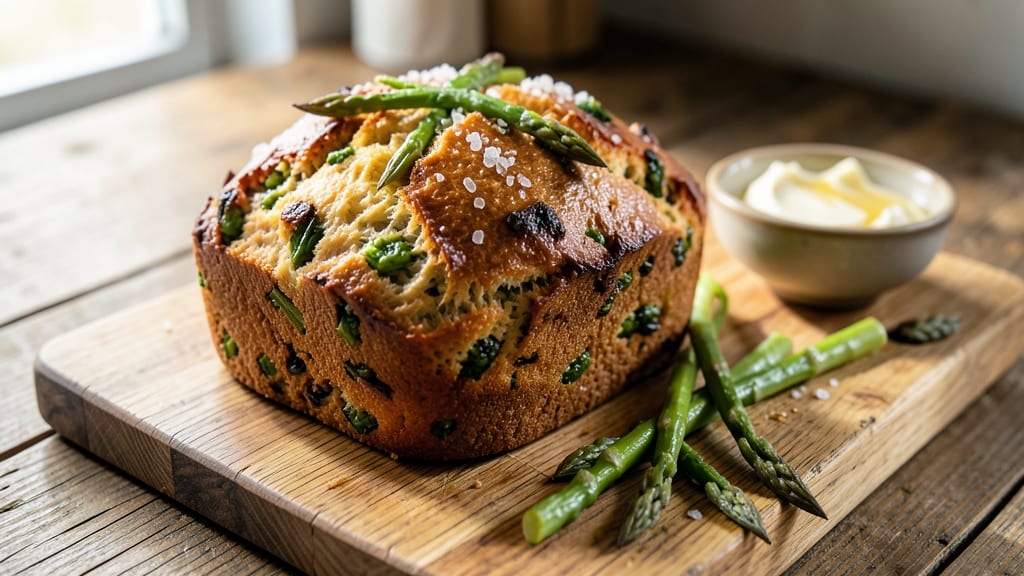
This asparagus bread recipe transforms spring's freshest ingredient into a savory loaf that's as nutritious as it is delicious. The secret lies in blending tender asparagus purée into the dough, creating a subtle green hue and earthy flavor that pairs perfectly with warm butter.
What makes this recipe special is how it elevates simple bread into something extraordinary—no fancy techniques required, just quality ingredients and patience.
The process begins with a basic yeast dough, where cooked asparagus is blended and folded in, creating a loaf that's both hearty and light.
Proofing and baking at the right temperature ensures a golden crust and airy interior, while optional toppings like sesame seeds or herbs add texture and visual appeal. This bread is versatile enough to serve as a side dish or even a main course with soups and salads.
What you'll end up with is a beautifully risen loaf with a subtle asparagus flavor that enhances rather than overpowers the bread. The crust develops a perfect golden-brown finish, while the interior remains tender and inviting.
Each slice reveals the hidden greens, making this bread not just a treat, but a conversation starter.
Perfect for spring and summer gatherings, this recipe delivers restaurant-quality results with minimal effort. Whether you're looking to use up fresh asparagus or simply want to try something new, this herb-infused loaf is sure to impress. Let's get started on creating this unique and flavorful bread.
Ingredients for asparagus bread
Fresh asparagus meets classic bread dough for a springtime loaf with hidden greens and subtle flavor.
| Ingredient | Amount | Notes |
|---|---|---|
| Fresh Asparagus 🌱 | 1 lb | Tender stalks, trimmed and blanched |
| Active Dry Yeast 🍞 | ¼ oz | Or 2 1/4 tsp (1 packet) |
| All-Purpose Flour 🌾 | 4 cups | Plus extra for dusting |
| Unsalted Butter 🧈 | ½ cup | Cold, cubed for dough |
| Whole Milk 🥛 | ¾ cup | Warm to room temperature |
| Granulated Sugar 🍚 | 1 tbsp | For yeast activation |
| Diamond Crystal Kosher Salt 🧂 | 1 ½ tsp | Adjust to taste |
| Fresh Dill 🌿 | 2 tbsp | Chopped, stems removed |
| Fresh Chives 🌱 | 2 tbsp | Chopped, for garnish |
| Sesame Seeds 🌰 | 1 tbsp | For optional topping |
| Olive Oil 🫒 | 1 tbsp | Plus extra for greasing |
The asparagus is what makes this bread special. Look for tender stalks—avoid woody ends. Trim the tough bottoms and blanch in boiling water for 2 minutes before puréeing. Whole Foods or local farmers markets often have the freshest asparagus in spring. For the yeast, Bob's Red Mill active dry yeast is reliable, but any brand works if it's fresh (check the expiration date). The butter should be cold when mixing into the dough—this ensures proper gluten development. If you're in a hurry, Trader Joe's sells pre-trimmed asparagus bundles that save time.
No fresh dill? Dried dill at one-third the amount works in a pinch, but fresh is ideal. Out of sesame seeds? Poppy seeds or everything bagel seasoning add nice texture. The milk can be swapped for warm water plus 1 tbsp melted butter if you're avoiding dairy. For a richer dough, replace half the milk with Greek yogurt. The asparagus purée should be smooth—blend until no lumps remain. If the dough feels too sticky after kneading, add 1 tbsp extra flour at a time.
The dough keeps best in the fridge for 24 hours before baking—this enhances flavor. For longer storage, wrap tightly in plastic and freeze for up to 3 months. Once baked, the loaf stays fresh for 3-4 days at room temperature or 5 days in the fridge. Slice and toast for maximum crispiness. The asparagus flavor becomes more pronounced as the bread sits, so leftovers often taste even better the next day.
Why You'll Love This Recipe
- No Waste, All Flavor: I chop asparagus for dinner anyway—why not toss the trimmings into the dough? That extra green turns into tender, herby pockets in every bite. (Yes, even the ends are magic.)
- Weeknight-Friendly Rise: Active dry yeast means no waiting around for fancy starters—just mix, let it sit for 20 minutes, and bake while you finish dinner. No yeasty shortcuts, just real bread that’s ready when you are.
- Crusty Yet Cozy: The butter and milk give it that golden, crackly crust, but the inside stays soft enough to sop up soup or smear with jam. (I’ve tested it both ways—trust me, it’s a winner.)
- Budget Stretch: A single bunch of asparagus stretches across two loaves, and the dough freezes perfectly for lazy mornings. My wallet and my family’s stomachs thank me every time.
Step-by-step instructions for herb-infused asparagus bread
Transform fresh asparagus into a fragrant, moist loaf with this precise baking method.
Blanch and Process the Asparagus
Preheat a pot of salted water to a rolling boil. Trim the tough ends from the 1 lb fresh asparagus and cut the stalks into ½-inch pieces. Blanch for exactly 2 minutes until vibrant green and tender-crisp. Immediately drain and plunge into ice water to stop cooking, then drain again thoroughly.
Transfer the blanched asparagus to a food processor and pulse until finely chopped—you want a paste-like consistency that will blend seamlessly into the dough. The bright green color will infuse the bread while adding subtle asparagus flavor. Set aside for the next step.
Activate the Yeast and Mix Wet Ingredients
In a small bowl, combine the 0.75 cup whole milk (warmed to 110°F), 1 tbsp granulated sugar, and 0.25 oz active dry yeast. Let sit for 5-10 minutes until foamy and bubbly—this confirms the yeast is active. If it doesn't foam, your yeast may be dead and needs replacing.
In a separate large bowl, whisk together the 4 cups all-purpose flour and 1.5 tsp diamond crystal kosher salt. Create a well in the center and pour in the yeast mixture along with the 0.5 cup cold unsalted butter (cut into cubes) and 1 tbsp olive oil. The butter should remain cold to prevent overdevelopment of gluten.
Incorporate Asparagus and Herbs
Add the processed asparagus paste to the flour mixture and mix with a wooden spoon until combined. Fold in the 2 tbsp chopped fresh dill and 2 tbsp chopped fresh chives, distributing them evenly throughout the dough. The herbs will complement the asparagus flavor while adding aromatic depth.
Gradually add the wet ingredients to the dry, mixing with your hands or a dough whisk until a shaggy dough forms. Avoid overmixing—just until the dough comes together. The texture should be slightly sticky but manageable. If too dry, add 1 tsp milk at a time until cohesive.
Knead and Rest the Dough
Turn the dough onto a lightly floured surface and knead for 5-7 minutes until smooth and elastic. You're looking for a dough that springs back slowly when poked. The asparagus will make it slightly softer than traditional bread dough, but it should still hold its shape.
Shape the dough into a ball, place it in a lightly oiled bowl, and cover with a damp towel. Let rise in a warm place for 1-1.5 hours or until doubled in size. The dough should feel light and airy when pressed gently—this indicates proper fermentation and flavor development.
Shape, Proof, and Bake the Loaf
Punch down the risen dough and shape it into a 9x5-inch loaf pan, greased with additional olive oil. Cover again and let proof for 30-45 minutes until the dough rises 1-2 inches above the pan. Preheat your oven to 375°F during this final proofing stage.
Bake the loaf for 35-40 minutes until golden brown on top and the internal temperature reaches 190°F. Tap the bottom—it should sound hollow. Immediately remove from the pan and place on a wire rack. Brush the top with additional olive oil and sprinkle with 1 tbsp sesame seeds for texture and visual appeal.
Pro Tips For Making Asparagus Bread
- BLEACH YOUR ASPARAGUS FIRST: I learned this the hard way—raw asparagus has a bitter edge that sneaks into dough. Trim the ends, then blanch spears in boiling water for 3 minutes before chopping. The bitterness fades, and your bread won’t taste like you raided the garden’s toughest stalks.
- WEIGH YOUR FLOUR, DON’T SCOOP: That kitchen scale isn’t just for show. Fluff the flour in the bowl first, then scoop and level—never pack it down. I used to eyeball it, and my bread came out dense. For this recipe, stick to 4 cups (500g) for the right lightness.
- LET THE DOUGH COLD-PROOF: Skip the warm, cozy rise in the oven—this dough needs a 2-hour cold proof in the fridge. It’s the only way to keep the butter from melting and turning your bread into a greasy mess. Wrap it tightly, set a timer, and walk away.
- SWAP MILK FOR CREME FRAÎCHE: Whole milk works, but creme fraîche adds richness without thinning the dough. Use ¾ cup—it’s tangy, cuts through the asparagus’s earthiness, and makes the crumb tender. (Yes, it’s pricier, but your bread will taste like you put in effort.)
Perfect pairings for these flavors
Butter Pairings
Serve warm slices with cultured butter—I love Plugrá or Kerrygold—melted over each piece. The richness balances the bread's subtle asparagus flavor beautifully. For extra decadence, mix in 2 tbsp fresh herbs (like thyme or rosemary) and a pinch of sea salt before melting. 🧈
Herb Dips
Create a quick herb butter dip by blending ½ cup softened butter with 2 tbsp chopped dill, 1 tbsp lemon zest, and ½ tsp garlic powder. Spread on toasted slices for an elevated appetizer. Alternatively, serve with hummus or whipped feta for a Mediterranean twist.
Spring Salads
Pair with asparagus salad—toss blanched asparagus spears with radishes, pepperoncini, and a lemon vinaigrette. The fresh, bright flavors complement the bread's earthy notes. For a heartier option, add shaved Parmesan and toasted walnuts. 🥗
Cheese Boards
Add this bread to a spring cheese board with aged Gouda, brie, and smoked almonds. The asparagus-infused loaf soaks up melted cheese beautifully. Include fig jam or honey to balance the savory flavors. For a lighter option, pair with goat cheese and honeycomb.
Soup Companions
Serve alongside creamy potato-leek soup or roasted tomato soup. The bread's subtle asparagus flavor enhances the soup's richness. For a lighter pairing, try chilled cucumber soup with a dollop of sour cream and dill. 🍲
Breakfast Twist
Toast slices and top with scrambled eggs, crispy bacon, and avocado. The asparagus adds a subtle springtime brightness to classic breakfast plates. For a vegetarian option, layer with ricotta, honey, and toasted almonds.
Nutrition facts
Frequently asked questions
Can I use frozen asparagus instead of fresh?
Yes, but with adjustments! Thaw and drain frozen asparagus thoroughly, then steam for 3-4 minutes until tender. Purée it until completely smooth—frozen asparagus releases more moisture, so you may need 1/4 cup less milk in the dough to maintain proper texture. The flavor will be slightly less vibrant but still delicious.
Why does my asparagus bread taste bland?
Bland flavor usually means the asparagus wasn't cooked enough before blending or the herbs weren't fresh. Always blanch fresh asparagus for 2 minutes to concentrate its flavor, and use bright green herbs (like dill and chives) for maximum impact. For extra depth, add 1 tsp lemon zest to the dough or sprinkle toasted sesame seeds on top before baking.
How do I store leftovers to keep them fresh?
Wrap cooled slices tightly in plastic wrap or aluminum foil and store at room temperature for 2-3 days. For longer storage, freeze individual slices on a tray first (to prevent sticking), then transfer to a freezer bag. Toast from frozen for 2-3 extra minutes to restore crispiness. The asparagus flavor actually improves slightly after baking!
Can I make this bread without yeast?
Yes! Replace the yeast with 2 tsp baking powder and 1 tsp baking soda for a quick-bread version. Mix the dry ingredients first, then fold in the asparagus purée and wet ingredients. Bake immediately in a 350°F oven for 40-45 minutes—no proofing required. The texture will be denser but still delicious, especially with a buttery glaze after baking.
What's the best way to reheat asparagus bread?
For crispy crust and soft interior, wrap slices in a damp paper towel and warm in a 350°F oven for 5-7 minutes. For quick reheating, use the air fryer at 320°F for 2-3 minutes—this restores texture beautifully. Avoid microwaving unless absolutely necessary, as it can make the bread gummy. Freshly baked slices are always best!