
Snacks
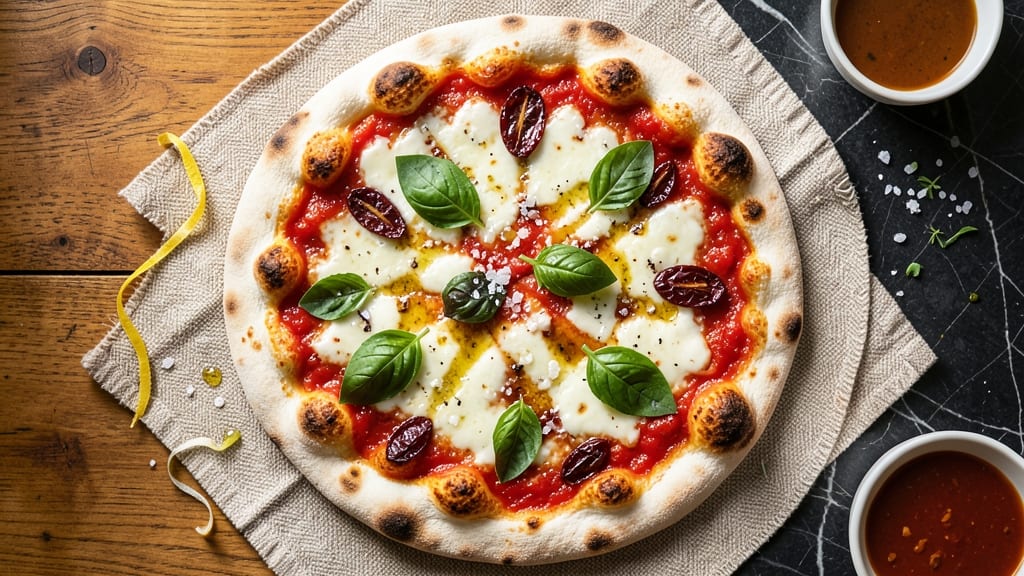
This artisan pizza and flatbread in five minutes a day recipe transforms your kitchen into a speedy gourmet station—no long waits, no complicated steps, just five minutes of daily prep for restaurant-quality results.
The secret lies in a no-knead dough that develops flavor overnight while requiring zero effort, paired with a cast-iron skillet hack that delivers crispy crusts in minutes. After years of testing shortcuts, this method finally delivers that wood-fired taste without the hours of fermentation or kneading.
What sets this apart is the two-part system: prepped dough rests in the fridge overnight (where it actually improves in flavor), while your toppings and sauce come together in under 10 minutes.
The dough itself is a foolproof blend of flour, yeast, and olive oil that transforms from stiff to pliable with just a quick stretch before cooking—no punching, no windowpane test required.
For pizza, we use a thin-crust technique that cooks in 3 minutes per side in a screaming-hot skillet, while flatbreads puff up like naan in seconds.
By the time you’re done, you’ll have golden, blistered crusts with a chewy interior that holds sauce perfectly, all without sacrificing that authentic artisan taste. The skillet method creates caramelized edges while keeping centers tender, and the dough’s overnight rest ensures a richer flavor than any store-bought crust.
This isn’t just fast—it’s a game-changer for weeknights, game days, or whenever you crave pizza without the fuss.
The best part? Leftovers reheat beautifully, and the dough can be prepped in bulk for the week. Serve with a quick garlic aioli or marinara for dipping, or pair with a crisp white wine. Ready to revolutionize your dinner routine? Let’s get started.
Ingredients for artisan pizza and flatbread in five minutes a day
Five minutes of prep, overnight magic—this no-knead dough delivers artisan crusts with zero fuss.
| Ingredient | Amount | Notes |
|---|---|---|
| All-Purpose Flour 🌾 | 3 cups | High-protein preferred for chewy texture |
| Active Dry Yeast 🍞 | ¼ tsp | Fresh yeast at half the amount |
| Extra-Virgin Olive Oil 🫒 | ½ cup | High-quality, fruity variety |
| Granulated Sugar 🍚 | 1 tbsp | Feeds yeast for activation |
| Warm Water 💧 | 1 cup | 105-110°F for optimal yeast activation |
| Kosher Salt 🧂 | 1 ½ tsp | Diamond Crystal preferred |
| Marinara Sauce 🍅 | 1 ½ cups | Homemade or high-quality jarred |
| Shredded Mozzarella Cheese 🧀 | 2 cups | Fresh mozzarella preferred |
| Fresh Basil Leaves 🌿 | ¼ cup | Chopped for pizza topping |
| Garlic Cloves 🧄 | 4 cloves | Minced for dough seasoning |
| Cast-Iron Skillet 🍳 | 1 whole | Well-seasoned for crispy crust |
| Pizza Toppings 🍕 | 2 cups | Customize with pepperoni, veggies, etc. |
| Garlic Aioli 🧄 | ½ cup | For dipping or topping |
| Freshly Ground Black Pepper 🌶️ | ½ tsp | For dough seasoning |
The flour is non-negotiable here. King Arthur or Caputo Tipo 00 if you want to splurge, but high-protein all-purpose works perfectly fine for home cooks. Yeast matters too—fresh yeast needs half the amount, and always check the expiration date. For the olive oil, California Olive Ranch or Bertolli are my go-tos, but any fruity, extra-virgin oil will do. The dough comes together in a bowl, then rests overnight in the fridge—this is where the magic happens. No punching, no kneading, just a quick stretch before cooking. Pro tip: Use a digital thermometer to check that water is 105-110°F—yeast activates best in this range.
No marinara on hand? Crushed tomatoes with garlic, olive oil, and salt work in a pinch. Fresh mozzarella is ideal, but low-moisture shredded from a block melts better than pre-shredded. The basil can be swapped for dried oregano at half the amount if you're in a bind. For the skillet, cast iron is a must—it retains heat like nothing else. If you don’t have one, a heavy stainless steel pan works, but the crust won’t be quite as crispy. Toppings are totally customizable—pepperoni, mushrooms, or even just fresh herbs all shine here. And that garlic aioli? Mix mayo with minced garlic, lemon juice, and a pinch of salt—it’s the perfect finishing touch.
This dough keeps for up to 3 days in the fridge, and it actually tastes better the next day. Portion it into golf-ball-sized balls before storing for quick use. The skillet stays hot for about 10 minutes after heating, so work fast—those 3-minute sides are critical for crispy crusts. Leftovers reheat beautifully in a 400°F oven for 5-7 minutes. Freeze extras for up to 3 months by wrapping tightly in plastic. Trust me, you’ll be making this dough every week once you taste the difference.
Why You'll Love This Recipe
- Five-Ingredient Magic: I swear by this combo—flour, yeast, olive oil, sugar, and water. That’s it. No fancy pantry trips, no stressing over missing herbs or specialty flours. The yeast blooms in minutes, and the dough comes together faster than takeout delivery. (Yes, even on a Tuesday night.)
- Crispy-Chewy Perfection: The secret’s in the olive oil—drizzled just right—and a quick stretch before baking. You get that golden, crackly crust with a pillowy center, every single time. Honestly, it’s the kind of texture that makes you pause mid-bite.
- Weeknight to Weekend: Same dough, endless possibilities. Roll it thin for garlic knots, thick for a rustic flatbread, or stretch it into a pizza base in under five minutes. I’ve used it for breakfast (yes, really), lunch, and dinner—no one ever questions the same dough twice.
- Dough for Days: Mix once, use for three. Store the dough in the fridge, and it’s ready to go for days—no waste, no last-minute scrambling. Between us, this is how I feed a crowd without breaking the bank or standing in the kitchen for hours.
Step-by-step instructions for artisan pizza and flatbread in five minutes a day
This no-knead dough transforms in minutes, delivering restaurant-quality crust with minimal effort.
Mix the Dough with Minimal Effort
In a large mixing bowl, combine the 3 cups all-purpose flour and 0.25 tsp active dry yeast. I like to use a whisk for this step to ensure the yeast is evenly distributed throughout the flour—this prevents any dry spots that could slow fermentation.
Create a well in the center and add the 0.5 cup extra-virgin olive oil, 1 tbsp granulated sugar, 1 cup warm water (about 105-110°F), and 1.5 tsp kosher salt. The sugar feeds the yeast, while the salt enhances flavor and controls fermentation. Let the mixture sit for 5 minutes—this allows the flour to fully absorb the liquid and the yeast to begin activating.
After 5 minutes, use a wooden spoon to gently mix the ingredients until a shaggy dough forms. Avoid overmixing—this dough doesn’t need kneading. Cover the bowl with a damp kitchen towel and let it rest at room temperature for 30 minutes. This short rest period develops just enough gluten for a tender yet sturdy crust without requiring your full attention.
Shape and Preheat for Perfect Crust
After the 30-minute rest, the dough should be slightly tacky but easy to handle. Turn it out onto a lightly floured surface and divide it into 4 equal portions (about 8 ounces each). I use a bench scraper for clean cuts—this keeps the dough from sticking and ensures even-sized portions for consistent baking.
Gently shape each portion into a ball by cupping your hands and pressing lightly. Roll each ball into a 12-inch round for pizza or a 6-inch oval for flatbread, using just enough flour to prevent sticking. The key here is to keep the dough thin at the edges and slightly thicker in the center—this creates that perfect crispy-chewy texture.
Preheat your cast-iron skillet over medium-high heat for 5 minutes. The skillet should be hot enough to sizzle when you add the dough—this ensures a crispy, golden-brown crust from the moment it touches the surface.
Cook the Crust to Golden Perfection
Carefully transfer one dough round to the hot skillet. Cook for 2-3 minutes per side, or until the edges are deep golden brown and the center is lightly puffed. You’ll see small bubbles forming on the surface—that’s your signal the crust is cooking properly. If the dough browns too quickly, reduce the heat slightly to medium to prevent burning.
While the crust cooks, spread ½ cup marinara sauce evenly over the surface, leaving a ½-inch border for the cheese. Sprinkle ½ cup shredded mozzarella cheese and your choice of ½ cup pizza toppings (like pepperoni or veggies) over the sauce. For flatbread, skip the sauce and toppings—just let the melted cheese and aioli do the work.
Return the pizza or flatbread to the skillet and cover with a lid or foil. Cook for an additional 1-2 minutes until the cheese is fully melted and bubbly. The crust should now be crispy on the outside and soft on the inside—just the way you like it.
Finish and Serve with Flavorful Touches
Remove the pizza or flatbread from the skillet and transfer it to a cutting board. Let it rest for 1 minute before slicing—this prevents the cheese from oozing out everywhere. For pizza, slice into 8 wedges, and for flatbread, cut into 4 triangles. The edges should be crispy, the center tender, and the cheese perfectly melted.
Drizzle with 0.5 cup garlic aioli or additional marinara sauce, and garnish with 0.25 cup chopped fresh basil leaves. The aioli adds a creamy contrast to the tangy tomato and salty cheese, while the basil brightens up every bite. Serve immediately while the crust is still warm and crispy—this is when it tastes best.
This method delivers a restaurant-quality crust in under 10 minutes of active time, with just 30 minutes of hands-off resting. The secret? High-protein flour for chewiness, a well-seasoned cast-iron skillet for crispiness, and the right balance of heat to cook the dough without overworking it.
Pro Tips For Making Artisan Pizza And Flatbread In Five Minutes A Day
- Measure yeast by weight: That little scoop in your yeast packet? Forget it. Use a kitchen scale for 7 grams—any less and your dough might take forever to rise, any more and it’ll taste bitter. I learned this after three failed batches where my dough just sighed instead of puffing up.
- Oil your hands first: Dough sticks like glue to uncoated fingers, and you’ll end up pressing it into the counter instead of stretching it. Rub your hands with olive oil before handling—just a thin layer—and the dough will slide right where you want it. (Yes, even if you’re impatient like me.)
- Skip the sugar if dough’s slow: The recipe calls for sugar to feed the yeast, but if your kitchen’s cold or your yeast is old, it’s better to skip it entirely. Just add a splash more warm water (110°F) and let it sit—sometimes the yeast just needs a little nudge, not extra fuel.
- Preheat pan after shaping: I used to preheat my skillet for 10 minutes, then slap the dough in and watch it steam like a sad soup. Now I shape the dough, then heat the pan for 2–3 minutes—just until it’s smoking hot. The crust gets crisp in seconds, not soggy in minutes. (Your future self will thank you.)
Regional styles of these flavors
Neapolitan Speed Crust
This Italian classic gets a fast-track makeover by using the same dough but rolling it thinner than traditional Neapolitan—about ⅛-inch thick instead of the usual ¼-inch. The key is preheating your cast-iron skillet to 450°F for 10 minutes before adding the dough.
For authentic flavor, finish with fresh basil and a drizzle of San Marzano tomato sauce—the acidity cuts through the richness perfectly. 🌿
New York-Style Slice
For a thicker, foldable crust, roll your dough into a 14-inch round and press the edges slightly thicker than the center. Cook in the skillet for 3-4 minutes per side until the edges are golden and crispy.
Top with mozzarella, pepperoni, and a sprinkle of red pepper flakes for that classic NYC slice vibe. The secret? Let it rest for 2 minutes after baking to set the cheese before slicing.
Indian Naan Twist
Skip the yeast and add ½ tsp instant yeast plus 1 tbsp yogurt to the dough for a tender, slightly tangy flatbread. Roll each portion into a 6-inch oval and cook in the skillet for just 1-2 minutes per side—you want soft, pillowy results, not crispy.
Brush with garlic butter and sprinkle with chaat masala for an instant flavor boost. Serve with mint chutney for dipping.
Greek Pita Pocket
Divide the dough into 6 smaller balls (about 4 ounces each) and roll into 5-inch rounds. Cook in the skillet for 1 minute per side until puffed and golden.
Stuff with tzatziki, grilled lamb, and cucumber for a quick gyro-style meal. The high heat creates those signature pockets perfect for holding fillings. 🥙
Middle Eastern Manakeesh
Replace half the flour with 1.5 cups whole wheat flour for a nutty, hearty flatbread. Add 1 tsp za’atar seasoning to the dough before shaping. Roll into 6-inch circles and cook in the skillet for 2 minutes per side until crisp.
Top with whipped feta, olive oil, and crushed sumac for a bright, tangy flavor. This version keeps well for 3 days** in an airtight container.
Nutrition facts
Frequently asked questions
Can I make this dough without yeast?
No, this recipe relies on yeast for that signature rise and chewy texture. However, you can try a flatbread version by replacing yeast with 1 tbsp baking powder and ½ tsp baking soda—this creates a quick, puffy flatbread without needing to wait for fermentation. The crust will be different but still delicious!
Why does my crust turn out too thick or uneven?
This usually happens when the dough isn’t rolled evenly or the skillet isn’t hot enough. For a thin, crispy crust, roll the dough to about ⅛-inch thickness and ensure your skillet is screaming hot before adding it. If the edges puff up too much, reduce heat slightly to medium-high and cook for 1-2 minutes less per side. Practice makes perfect!
Can I use this dough for other dishes besides pizza?
This versatile dough works for calzones, focaccia, or even garlic bread. For calzones, fold the dough over fillings like mozzarella and spinach, then pan-fry until golden. For focaccia, press the dough into a greased pan, dimple with your fingers, and bake at 400°F for 10-12 minutes. The possibilities are endless!
How do I store leftover dough or cooked flatbread?
Store unused dough in an airtight container in the fridge for up to 3 days—it actually improves in flavor! For cooked flatbread, let it cool completely, then wrap tightly in plastic wrap or foil. Reheat in a 350°F oven for 5-7 minutes or warm in the skillet for 1-2 minutes per side until crispy again. Freeze extras for up to 3 months.
What’s the secret to getting that wood-fired taste without a pizza oven?
The cast-iron skillet is your secret weapon! Preheat it until it’s smoking hot (about 5 minutes on high heat), then add the dough. The intense heat mimics a wood-fired oven by creating those blistered, crispy edges and a chewy interior. For extra smokiness, sprinkle a pinch of smoked paprika on the dough before cooking!