
Side Dishes
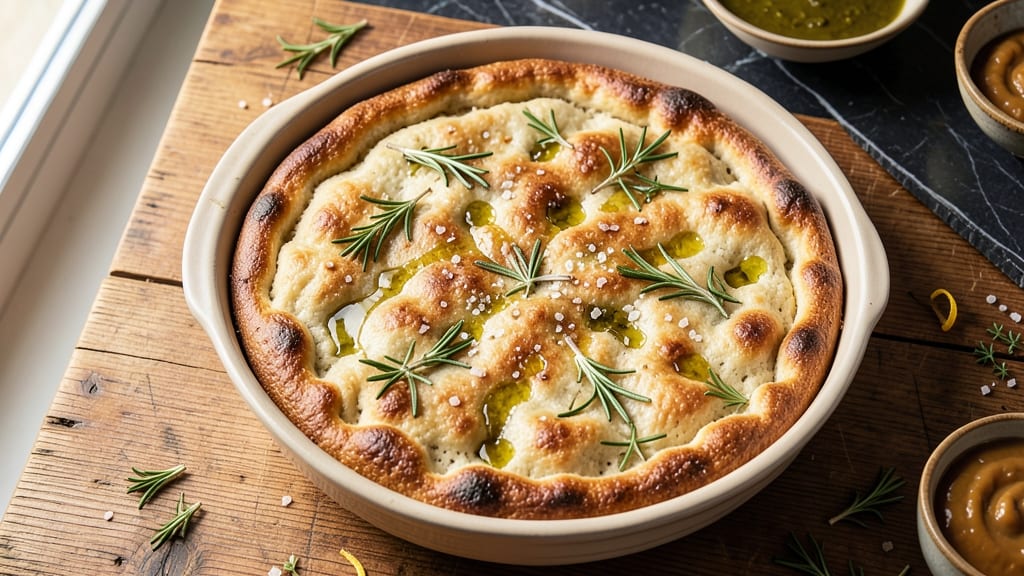
This artisan focaccia bread recipe transforms simple ingredients into a golden, bubbly masterpiece with crisp edges and an airy interior. The secret lies in a generous drizzle of extra-virgin olive oil and fresh rosemary, creating that signature aromatic profile that makes every bite irresistible.
Unlike store-bought versions, this method delivers restaurant-quality texture with minimal effort—just 45 minutes from start to finish, including proofing.
The dough comes together with just five ingredients: high-quality flour, yeast, salt, and olive oil, making it surprisingly straightforward for such a luxurious result. The key technique is dimpling the dough with your fingertips before baking, which creates those iconic golden bubbles while ensuring a crispy crust.
Professional bakers swear by a 450°F oven for that perfect caramelization without burning the edges.
What you’ll end up with is a loaf so fragrant and tender that it disappears faster than you can say "second helping." The crust stays crispy for hours, while the interior remains soft and pillowy—ideal for serving with soups, salads, or as a base for bruschetta.
This recipe strikes the perfect balance between traditional Italian craftsmanship and modern convenience.
For those who love customization, try adding Kalamata olives, flaky sea salt, or red pepper flakes before baking. The possibilities are endless, but the foundation remains the same: a foolproof method for achieving restaurant-quality focaccia in your own kitchen. Let’s get started on creating your perfect loaf.
Ingredients for artisan focaccia bread
Five simple ingredients transform into restaurant-quality focaccia with golden bubbles and herbal aroma.
| Ingredient | Amount | Notes |
|---|---|---|
| High-Grade All-Purpose Flour 🌾 | 4 cups | Bread flour preferred for chewier texture |
| Active Dry Yeast 🍞 | ¼ tsp | Ensure yeast is fresh, not expired |
| Extra-Virgin Olive Oil 🫒 | ¾ cup | High-quality, fruity variety essential |
| Fine Sea Salt 🧂 | 1 ½ tsp | Diamond Crystal preferred for flaky texture |
| Fresh Rosemary 🌿 | ¼ cup | Finely chopped, stems removed |
| Warm Water 💧 | 1 ½ cups | 110°F for optimal yeast activation |
| Kalamata Olives 🫒 | ½ cup | Pitted and sliced for topping (optional) |
| Flaky Sea Salt 🧂 | 1 tbsp | For final sprinkle on crust (optional) |
| Red Pepper Flakes 🌶️ | ½ tsp | For spicy variation (optional) |
The flour is non-negotiable here—King Arthur Bread Flour or Cape Cod Mills deliver that perfect chewiness, but high-quality all-purpose works in a pinch. Yeast is your secret weapon: Saf-Instant or Red Star brands stay potent longer. For the olive oil, California Olive Ranch or Colavita are my go-tos—their fruity notes shine through. Rosemary? Fresh from the grocery store's floral section beats dried hands down. If you're feeling fancy, grab a sprig of fresh thyme too—it pairs beautifully with rosemary.
No bread flour? Add 1 tbsp vital wheat gluten per cup of all-purpose flour for better texture. Short on rosemary? Fresh thyme or oregano works beautifully. The olive oil can be swapped for avocado oil if you're avoiding olive allergies, but you'll lose that signature flavor. For the water, room temperature tap water works fine—just let it sit out for 10 minutes. The optional toppings? Kalamata olives from Trader Joe's are my favorite, but any pitted olive will do. Red pepper flakes can be omitted entirely if you prefer mild focaccia.
Mix the dough once, then let it rest—this is where the magic happens. Store any unused flour in an airtight container for up to 6 months. The yeast? Keep it in the fridge for up to 3 months past the 'best by' date—it's more potent than you think. Once baked, focaccia stays fresh for 2 days at room temperature, wrapped in a clean kitchen towel. For longer storage, freeze slices for up to 3 months—just reheat in a 350°F oven for 5-10 minutes to restore that crispy crust.
Why You'll Love This Recipe
- No-Knead Magic: I swear by this—just mix, let it rise, and bake. No stand mixer, no overworked arms, just a bowl and patience (the good kind). That olive oil gets worked right into the dough, so it’s effortless but still feels like a proper loaf.
- Herb-Packed Punch: Between the rosemary’s piney freshness and that first crack of salt on the crust, every bite is a flavor explosion. Honestly, I’ve tried store-bought focaccia—this tastes like a sun-drenched Italian market, not a grocery shelf.
- Weeknight Swiss Army Knife: Toss it in a lunchbox, tear it over salads, or use it to soak up marinara like a sponge. I keep a batch in the fridge for days—it’s my go-to for lazy dinners or unexpected company. (Yes, even on a Tuesday night.)
- Budget Crust Gold: A single batch stretches for sandwiches, sides, or dipping—no waste, just satisfaction. The flour and yeast are cheap staples, but the olive oil makes it feel luxurious without breaking the bank. My wallet and taste buds thank me.
Step-by-step instructions for artisan focaccia bread
Here's how to craft that perfect focaccia—crispy edges, airy bubbles, and aromatic herbs in every bite.
Activate the Yeast with Olive Oil and Warm Water
In a large bowl, combine the 1.5 cups warm water (between 110°F and 115°F) with the 0.25 tsp active dry yeast. Let it sit for 5-10 minutes until frothy—this confirms the yeast is alive and ready to work. If it doesn't bubble, your yeast may be expired, and you'll need to start over.
Next, drizzle in 0.5 cup of the extra-virgin olive oil and stir gently. The yeast will begin to multiply rapidly, creating a light, foamy mixture. This step is critical—using high-quality olive oil here adds depth of flavor that will shine through in the final bread. The warm water activates the yeast while the oil creates a luxurious texture that defines authentic focaccia.
Mix the Dough with Flour and Rosemary
Gradually add the 4 cups high-grade all-purpose flour to the yeast mixture, stirring with a wooden spoon until a shaggy dough forms. Then add the 0.25 cup finely chopped fresh rosemary and the 1.5 tsp fine sea salt. Mix until fully incorporated—you should have a sticky, elastic dough that pulls away from the sides of the bowl.
Here's the thing—focaccia dough is intentionally sticky. This ensures maximum surface area for those signature bubbles. If it feels too dry, add 1 tablespoon of warm water at a time until it reaches the right consistency. Avoid overworking the dough; knead just until the flour is fully hydrated, about 2-3 minutes by hand. Over-kneading develops gluten, which can make the focaccia dense instead of airy.
First Rise for Maximum Flavor Development
Cover the bowl loosely with plastic wrap or a damp towel and let the dough rise in a warm place for 1-2 hours, or until it has nearly doubled in size. The kitchen should be warm—if it's cool, place the bowl near a turned-off oven with the light on for gentle warmth. You're looking for the dough to puff up significantly and feel light when pressed gently with a finger.
During this rise, the yeast ferments the dough, creating air pockets and developing flavor. The rosemary will infuse the dough with its piney aroma, and the olive oil will continue to emulsify, creating that signature tender crumb. Don't rush this step—proper fermentation is what transforms simple ingredients into something extraordinary. If the dough rises too quickly, it may collapse later, so keep an eye on it.
Shape and Second Rise in the Pan
Lightly grease a 9x13-inch baking pan with the remaining 0.25 cup extra-virgin olive oil. Transfer the risen dough to the pan and gently stretch it to fit, using wet hands to prevent sticking. Press down lightly with your fingers to create dimples—this is where those beautiful bubbles will form. The dough should fill the pan completely, with edges slightly thicker than the center.
Cover the pan again and let the dough rise for another 30-45 minutes. You'll see it puff up dramatically, with the dimples expanding and the edges becoming slightly rounded. This second rise is crucial for that signature focaccia texture. The dough should spring back slowly when pressed—if it springs back quickly, it needs more time. The key is patience; rushing this step results in dense bread instead of the light, airy texture you're after.
Bake to Golden Perfection with Olive Oil and Toppings
Preheat your oven to 425°F with a baking stone or inverted baking sheet on the lower rack—this creates steam for that crispy crust. When ready, drizzle the dough generously with the remaining 0.25 cup extra-virgin olive oil, spreading it evenly over the surface. Sprinkle with the 0.5 cup sliced Kalamata olives, 1 tbsp flaky sea salt, and 0.5 tsp red pepper flakes (if using).
Bake for 20-25 minutes until the edges are deep golden brown and the top is crispy. The bread should smell intoxicating—herbal, briny, and slightly sweet from the caramelized olive oil. For best results, rotate the pan halfway through baking to ensure even browning. The internal temperature should reach 190°F when checked with an instant-read thermometer. If the top browns too quickly, tent loosely with foil to prevent burning while allowing the bottom to finish baking.
Pro Tips For Making Artisan Focaccia Bread
- Bloom the Yeast First: Skip mixing yeast directly into flour—it’s lazy and unreliable. Instead, dissolve it in warm water (not hot) with a pinch of sugar (if your recipe lacks it) and let it froth for 5-10 minutes. This guarantees your dough will rise properly, not sit there like a sad, flat pancake waiting to happen.
- Oil the Pan Early: Don’t wait until the dough is in the pan to oil it. Brush the baking dish before shaping the focaccia—about 2 tablespoons of extra-virgin olive oil, enough to coat the bottom and sides. This prevents sticking and makes those coveted air pockets shine without fighting a stubborn dough ball later.
- Dimple, Don’t Press: Resist the urge to poke the dough with your fingers like you’re trying to make a punching bag. Use your fingertips to create dimples—press just enough to let the oil seep in, but leave the surface mostly intact. Overworking it collapses the structure, and nobody wants a focaccia that’s dense enough to double as a doorstop.
- Salt the Water Hard: Your yeast mixture and dough need salt, but most recipes underestimate how much. For the yeast water, use ½ teaspoon of fine sea salt per cup of water—yes, even if the recipe says otherwise. The dough will taste balanced, not bland, and the yeast won’t get shocked by a sudden salt hit later. Trust me, your taste buds will notice.
Flavor customization for this recipe
Herbal Variations
Swap rosemary for fresh thyme or oregano—both pair beautifully with olive oil and add Mediterranean flair. For a bolder flavor, try 1 tbsp chopped sage or 1 tsp dried marjoram during the first rise.
I love adding a mix of thyme and rosemary for complexity. Fresh herbs should always be finely chopped to distribute flavor evenly throughout the dough.
Cheesy Twists
Add ½ cup shredded Parmesan cheese or pecorino romano to the dough for a salty, umami-rich variation. For a creamy texture, fold in ¼ cup ricotta cheese before the second rise.
Sprinkle extra cheese on top before baking for a golden, bubbly crust. Goat cheese crumbles work beautifully too—just add them after the final olive oil drizzle.
Spicy & Smoky
Boost the heat with 1 tsp smoked paprika mixed into the dough or ½ tsp cayenne pepper for a kick. For smoky depth, add 2 tbsp chopped sun-dried tomatoes or 1 tbsp chopped sun-dried chili peppers to the final topping.
A sprinkle of crumbled feta adds tangy contrast to the spice. I recommend toasting the sun-dried tomatoes in olive oil for 2 minutes before adding them.
Sweet & Savory
Transform focaccia into a dessert by adding ¼ cup honey or maple syrup to the dough. Top with chopped figs, walnuts, or cinnamon before baking.
For a breakfast version, mix 1 tbsp cinnamon and 1 tsp vanilla extract into the dough, then top with chopped apples and pecans. The sweetness balances beautifully with the salty olive oil crust.
Protein-Packed
Add texture and nutrition with ½ cup chopped sun-dried tomatoes, ¼ cup chopped artichoke hearts, or ¼ cup crumbled feta. For a meaty twist, fold in ½ cup cooked and crumbled sausage or chopped prosciutto during the second rise.
These toppings add hearty flavor while keeping the focaccia light and airy. I recommend pre-cooking any meat to avoid excess moisture in the dough.
Global Flavors
Give your focaccia an Italian twist with chopped sun-dried tomatoes and basil, or a French-inspired version using chopped shallots and gruyère cheese. For a Middle Eastern flair, add chopped za'atar and sumac to the dough.
A sprinkle of toasted pine nuts or pistachios adds crunch and a nutty depth. Each variation keeps the signature olive oil bubbles while introducing exciting new flavors.
Nutrition facts
Frequently asked questions
Why does focaccia dough need to be so sticky?
The high moisture content creates maximum surface area for those signature bubbles when baked. The olive oil and water ratio makes the dough elastic and stretchy—perfect for dimpling. If it feels too dry, add 1 tbsp warm water at a time until it reaches that signature tacky consistency.
Can I make focaccia without a baking stone?
Use an inverted baking sheet on the lower rack to create steam. For extra crispiness, place a metal tray filled with boiling water in the oven while preheating. The steam mimics a baking stone's effect, giving you that perfect golden crust without special equipment.
How do I know when the focaccia is fully baked?
Look for deep golden-brown edges and a crispy top. The internal temperature should reach 190°F when checked with an instant-read thermometer. If it browns too quickly, tent loosely with foil to prevent burning while allowing the bottom to finish baking.
What's the best way to store leftover focaccia?
Wrap cooled focaccia in a clean kitchen towel to maintain crispiness for 2 days at room temperature. For longer storage, freeze slices for up to 3 months. To revive, reheat in a 350°F oven for 5-10 minutes until the crust is crisp again.
Can I use dried herbs instead of fresh?
For best results, stick with fresh rosemary—it adds vibrant aroma and flavor. If you must use dried, reduce to 1 tsp and steep it in warm water for 5 minutes before mixing into the dough. The flavor will be milder but still delicious.