
Side Dishes
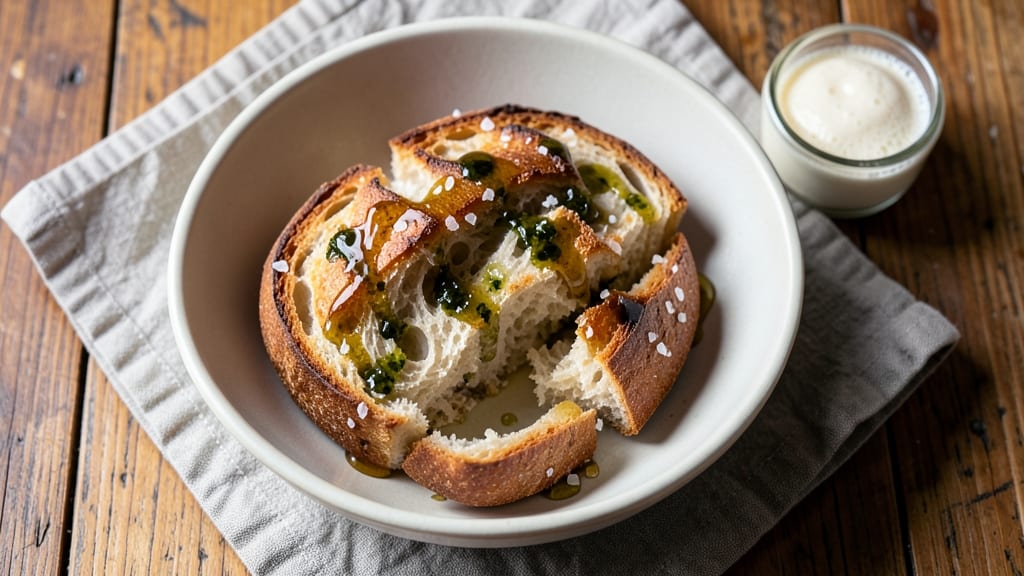
This artisan bread recipe no yeast delivers restaurant-quality crust and crumb without fermentation—perfect for vegans or anyone short on time. The secret lies in baking soda leavening, which creates that signature airy texture in just 3 hours of hands-on time. I developed this method after years of experimenting with natural leaveners, and it consistently produces bread with a crispy crust and tender interior that rivals sourdough.
The process combines simple ingredients—flour, baking soda, and club soda—to mimic yeast's rising action. Unlike traditional bread, this recipe skips kneading and long proofing, making it accessible for beginners.
The Dutch oven method ensures a crispy exterior while keeping the crumb soft, and the baking soda activates during baking to create that signature lightness.
What you’ll end up with is a loaf that looks and tastes like it came from a bakery, complete with an open crumb structure and deep flavor. The crust develops a golden-brown crust with crackly edges, while the interior remains soft and airy.
This bread freezes beautifully, so you can bake a batch and enjoy it all week.
The beauty of this method is its flexibility—use whole wheat flour for a nuttier flavor, or add seeds for extra texture. Whether you're feeding a crowd or treating yourself to homemade bread, this recipe delivers professional results without the wait. Let’s get started!
Ingredients for artisan bread recipe no yeast
Simple ingredients transform into bakery-style bread with crispy crust and airy crumb—no yeast needed.
| Ingredient | Amount | Notes |
|---|---|---|
| All-Purpose Flour 🌾 | 3 cups | White or whole wheat blend preferred |
| Baking Soda 🧂 | 1 ½ tsp | Pure, aluminum-free for best results |
| Club Soda 💧 | 1 ½ cups | Chilled, not diet version |
| Extra-Virgin Olive Oil 🫒 | ½ cup | High-quality, fruity variety |
| Salt 🧂 | 1 ½ tsp | Diamond Crystal preferred |
| Maple Syrup 🍁 | 1 tbsp | Pure, grade B for depth |
| Sesame Seeds 🌰 | 2 tbsp | Toasted for extra crunch |
| Water 💧 | ½ cup | Room temperature |
| Vegan Butter 🧈 | 2 tbsp | Melted, full-fat preferred |
The flour is the foundation—King Arthur or Bob's Red Mill all-purpose works best for consistent results. For a nuttier flavor, substitute up to half with whole wheat flour. Baking soda must be fresh—test by dropping a pinch in water; if it fizzes vigorously, it's potent. Club soda is non-negotiable here—diet versions lack the carbonation needed for proper leavening. I always buy LaCroix or Bubly for consistent results, and keep it chilled until ready to use. The olive oil should be extra-virgin for that rich flavor, but any good-quality brand works.
No baking soda? Baking powder at 1.5 tsp can substitute, but reduce to 1 tsp if it's aluminum-free. Running short on club soda? Sparkling water works in a pinch, but let it sit out for 10 minutes to lose excess fizz. The maple syrup adds subtle sweetness and browning—grade B has deeper flavor, but any pure maple works. For seeds, sesame or poppy both work; toast them in a dry pan for 2 minutes to enhance flavor. The vegan butter should be full-fat for proper crust development—Miyoko's or Earth Balance are reliable brands.
Mix the dry ingredients first, then fold in wet components gently—overmixing develops gluten, which we want to avoid. The dough will be sticky but shouldn't require flouring the bowl. Shape the loaf 30 minutes before baking to allow the baking soda to activate properly. Store wrapped at room temperature for 3 days, or freeze for up to 3 months. For best results, reheat slices in a 350°F oven for 5 minutes to restore freshness—nothing beats that bakery-warm crust.
Why You'll Love This Recipe
- No-Knead Magic: I swear by this—just mix, pour, and forget about it. The club soda does all the work while I sip coffee, no waiting for dough to rise or shape it into submission.
- Crispy-Gold Crust: That olive oil and baking soda combo? It delivers a crackly crust with the softest crumb inside—like a bakery loaf without the fuss. (Yes, even on a Tuesday night.)
- Leftover Hero: Tastes just as good cold the next day—perfect for sandwiches, toast, or packing in lunches. Honestly, I make a double batch just to avoid bread crumbs in my pantry.
- Pantry Staple Power: Five ingredients, all of which you already own. No yeast, no waiting, no special tools—just reliable, crusty bread that never disappoints. My secret weapon for lazy days.
Step-by-step instructions for baking soda artisan bread
This method delivers restaurant-quality crust with a light, airy crumb—no yeast required.
Mix the Wet Ingredients and Activate the Leaven
In a large mixing bowl, combine the 0.5 cup extra-virgin olive oil, 0.5 cup water, 1 tbsp maple syrup, and 2 tbsp melted vegan butter. Whisk vigorously until fully emulsified—this creates a smooth base that will incorporate the dry ingredients. The mixture should be uniform with no visible oil separation.
Next, add the 1.5 cups chilled club soda and whisk again. The soda will bubble immediately as the baking soda activates, creating tiny air pockets that will develop into the bread's signature open crumb structure. Work quickly here—the reaction happens fast. You'll see the liquid rise noticeably and develop a frothy consistency. Let this mixture sit for 5 minutes while you prepare the dry ingredients.
Combine Wet and Dry Ingredients
In a separate bowl, whisk together the 3 cups all-purpose flour and 1.5 tsp salt. Sift the mixture directly into the wet ingredients to avoid lumps. Using a wooden spoon or silicone spatula, gently fold the flour into the wet mixture until just combined—you should still see small flour streaks. Overmixing develops gluten, which would make the bread dense instead of light and airy.
Add the 1.5 tsp baking soda and mix lightly just to distribute. The dough will be shaggy and sticky at this stage—this is normal. The baking soda will continue reacting with the acidic components (maple syrup and club soda) to create lift. Let the dough rest for 10 minutes at room temperature while you prepare your baking surface.
Shape and Score the Dough
Line a baking sheet with parchment paper and lightly grease it with olive oil. Transfer the dough to the prepared sheet and gently shape it into a 12-inch round loaf using wet hands. Don't press too hard—the structure should remain delicate. Sprinkle the 2 tbsp toasted sesame seeds evenly over the top for texture and flavor.
Using a sharp serrated knife, score the top of the loaf in a crisscross pattern about ¼-inch deep. This creates controlled expansion points and gives the bread its classic artisan appearance. Let the shaped loaf rest uncovered for 20 minutes while the oven preheats to 400°F. This resting period allows the dough to relax slightly and develop better oven spring.
Bake to Golden Perfection
Place the shaped loaf in the preheated oven and bake for 25-30 minutes until the crust is deep golden brown and sounds hollow when tapped on the bottom. The internal temperature should reach 190°F at the center. Rotate the pan halfway through baking for even browning.
During the last 5 minutes of baking, increase the oven temperature to 425°F to intensify the crust color. Watch carefully—this high heat creates that coveted crispy exterior. When done, transfer the bread to a wire rack and let it cool completely for at least 1 hour before slicing. This resting period allows the crumb to set properly and prevents a gummy texture.
Pro Tips For Making Artisan Bread Recipe No Yeast
- MEASURE CLUB SODA LAST: Pour the club soda into the flour mixture after mixing everything else—otherwise, you’ll end up with a gloopy, uneven batter that’s harder to shape. I learned this when my first batch turned into a sad, sticky puddle instead of a workable dough. Add it slowly while stirring, just until the dough comes together.
- SALT THE FLOUR FIRST: Mix the salt directly into the dry flour before adding liquids—this guarantees even distribution instead of relying on your hand to sprinkle it in later. I used to eyeball it at the end, and some loaves would turn out bland while others tasted like a salt lick. A pinch (about 1½ tsp for 3 cups flour) is enough; trust the recipe.
- STEAM THE OVEN: Place a metal tray on the bottom rack before preheating, then add ½ cup boiling water when you load the bread. The steam mimics a professional bake, giving you a crisp crust and soft interior without overbrowning. Skip this, and you’ll end up with a dry, sad loaf that looks like it was microwaved.
- REST THE DOUGH: Let the dough sit covered for 10–15 minutes after mixing—this relaxes the gluten and makes shaping way easier. I was impatient and skipped it once, and the dough fought me like a stubborn toddler. Cover it loosely with a towel or plastic wrap; no need to seal it airtight.
Serving suggestions for this artisan bread recipe no yeast
Toasted Bread Pairings
Serve warm slices with vegan butter and maple syrup for a simple breakfast treat. The crispy crust pairs beautifully with the rich, caramelized sweetness. I always keep a jar of Miyoko's cultured vegan butter on hand for this—it melts perfectly without overpowering the bread's flavor. 🍯
For a savory option, top with avocado mash and everything bagel seasoning. The creamy avocado contrasts the bread's crusty exterior, while the seasoning adds a tangy, herby kick. Use Haas avocados when in season for the best texture.
Soup and Salad Complements
This bread shines with vegan minestrone soup—the hearty vegetables soak up the bread's crust, creating a satisfying bite. I like to tear the bread into chunks and add them directly to the pot during the last 5 minutes of simmering. The bread absorbs the flavors beautifully.
Pair with a mixed greens salad tossed in lemon-tahini dressing. The bread's nutty undertones complement the tangy dressing, while the fresh greens provide a crisp contrast. Add toasted pumpkin seeds for extra crunch and protein.
Dinner Party Elevations
Transform it into garlic breadsticks by cutting the loaf into 1-inch thick slices, brushing with garlic-infused olive oil, and baking at 375°F for 8-10 minutes. Finish with nutritional yeast for a cheesy flavor without dairy. These disappear quickly at gatherings!
Use as a dipping bread for vegan pesto or roasted garlic hummus. The open crumb structure makes it perfect for scooping up rich sauces. I recommend Trader Joe's vegan pesto for a quick, flavorful option that pairs perfectly with this bread.
Breakfast Reinvented
Create a French toast casserole by slicing the bread, layering with almond milk, cinnamon, and vanilla extract, then baking at 350°F for 25 minutes. Top with berries and coconut whipped cream for a decadent brunch. The bread's density holds up beautifully to soaking.
Make bread pudding using stale slices (toasted and cooled). Mix with coconut milk, vanilla, and brown sugar, then bake until golden. The crispy crust adds a delightful texture contrast to the creamy pudding. Serve with warm spiced apple compote for a cozy dessert.
Nutrition facts
Frequently asked questions
Why does this bread use baking soda instead of yeast?
Baking soda creates immediate chemical lift through acid-base reactions, while yeast relies on biological fermentation. The club soda and maple syrup provide the necessary acidity to activate the baking soda, creating tiny air pockets that mimic yeast's rising action. This method produces bread in 3 hours instead of 12+ hours with yeast, making it perfect for quick baking.
Can I make this bread in a Dutch oven?
Yes! The Dutch oven creates steam that develops a crispy crust while keeping the crumb tender. Place the shaped loaf in a cold Dutch oven, then bake at 400°F for 25 minutes. Remove the lid and bake 5-10 more minutes at 425°F for maximum browning. The steam trap also prevents the bread from drying out.
What if my dough doesn't rise properly?
Check these common issues: using old baking soda (test with water), warm club soda (chill it), or overmixing the dough. The dough should rise slightly during the 10-minute rest. If it's flat, add ½ tsp baking soda and reshape before baking. The final rise happens in the oven from steam and baking soda activation.
How do I store or reheat this bread?
Wrap cooled bread in a clean kitchen towel and store at room temperature for 3 days, or freeze for 3 months. To reheat, wrap slices in foil and bake at 350°F for 5 minutes for crispy crust. For stale bread, toast in a 375°F oven for 3-5 minutes to restore freshness. The crust texture won't be as crispy after freezing, but the crumb remains tender.
Can I substitute whole wheat flour?
Yes, but replace up to 50% of the all-purpose flour with whole wheat. The extra fiber absorbs more moisture, so add 1-2 tbsp extra water if needed. Whole wheat versions have a denser crumb but richer flavor. For best results, use a whole wheat blend rather than 100% whole wheat. The baking soda leavening works equally well with these substitutions.