
Side Dishes
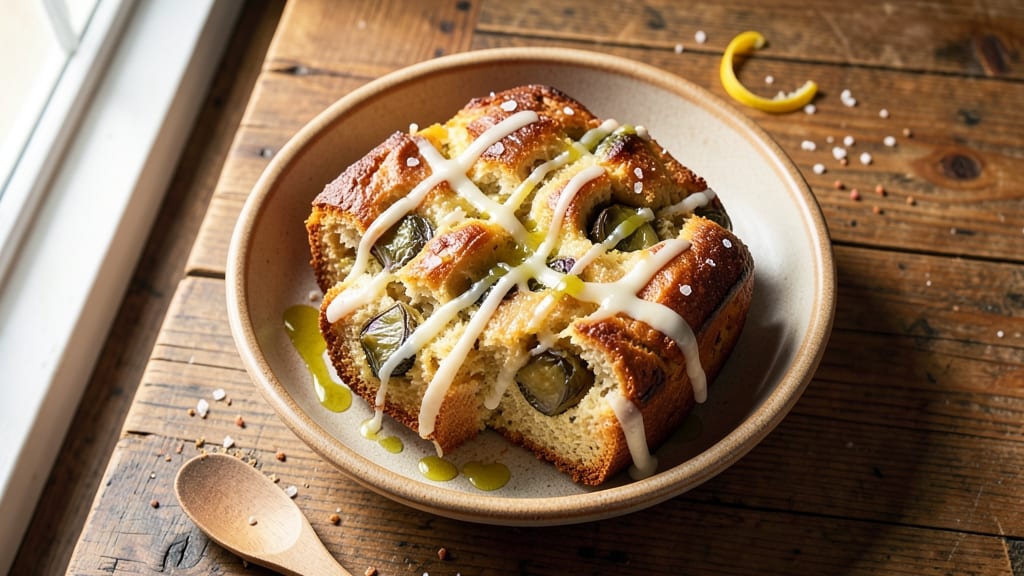
This artichoke cheese bread recipe delivers the perfect balance of crispy golden crust and gooey, melty cheese swirls—ideal for any gathering. The secret lies in a simple dough enriched with artichoke hearts and a blend of cheeses that create pockets of creamy goodness while baking.
I developed this recipe after years of experimenting with cheese bread, ensuring every bite has that satisfying contrast between tender bread and rich, savory filling.
The process is straightforward but requires patience for the best results. You'll work with a basic yeast dough that gets folded with artichokes and cheese, then baked until the crust turns a beautiful golden brown.
The key to that perfect crispy exterior is baking at high heat while keeping the interior soft and chewy. This bread makes an excellent appetizer or side dish, especially when served warm with marinara sauce for dipping.
What sets this recipe apart is the way the artichokes and cheese transform the bread into something truly special. The artichokes add a subtle tanginess that pairs perfectly with the creamy cheese, while the crust develops a satisfying crunch.
Whether you're hosting a party or just craving comfort food, this bread brings the table together with its irresistible combination of textures and flavors.
The dough is easy to prepare, and the folding technique ensures the cheese stays gooey rather than dry. You can customize it with additional herbs or spices, like garlic or red pepper flakes, to suit your taste.
Once baked, the aroma alone will have everyone asking for seconds—proof that this artichoke cheese bread is a crowd-pleaser every time.
Ingredients for artichoke cheese bread
Golden crust meets creamy artichoke-cheese swirls—just 14 ingredients for crowd-pleasing magic.
| Ingredient | Amount | Notes |
|---|---|---|
| Active Dry Yeast 🍞 | ¼ tsp | Or 1 packet instant yeast |
| Warm Water 💧 | 1 cup | 110-115°F for optimal activation |
| All-Purpose Flour 🌾 | 3 ½ cups | Plus 1 tbsp for dusting |
| Granulated Sugar 🍬 | 1 tbsp | For yeast activation |
| Salt 🧂 | 1 tsp | Diamond Crystal preferred |
| Marinated Artichoke Hearts 🍃 | 1 cup | Drained and chopped (not the jarred kind) |
| Shredded Mozzarella Cheese 🧀 | 1 ½ cups | Part-skim or whole milk |
| Shredded Parmesan Cheese 🧀 | ½ cup | Freshly grated from block |
| Unsalted Butter 🧈 | ½ cup | Melted and cooled slightly |
| Garlic Powder 🧄 | 1 tsp | Or 1 clove fresh minced |
| Dried Oregano 🍃 | ½ tsp | Italian blend preferred |
| Egg 🥚 | 1 whole | For egg wash |
| Sesame Seeds 🌾 | 1 tbsp | Optional for topping |
| Coarse Sea Salt 🧂 | 1 tsp | For sprinkling on top |
The artichokes are the star here, so pick the marinated kind in jars—they're pre-cooked and ready to go. Trader Joe's has the best quality at a great price, but any brand works as long as it's not mushy. Freshly grated Parmesan makes all the difference—pre-grated gets clumpy and lacks flavor. For the cheese, whole milk mozzarella melts better than part-skim, but use what you've got. The butter should be melted but not hot—just enough to soften when mixed with flour. If your dough feels too sticky, add 1 tbsp more flour, but don't overdo it or the crust will get tough.
No artichoke hearts? Sun-dried tomatoes or roasted red peppers add a similar tangy depth. Short on mozzarella? Swiss or provolone work in a pinch, though the flavor changes slightly. The garlic powder can be swapped for 1 fresh clove minced, but toast it first in the melted butter for extra flavor. If you're feeling fancy, add 1/4 cup chopped sun-dried olives to the dough for a briny kick. The sesame seeds are optional but give that perfect crunch—skip them if you're allergic or just not a fan. For a spicier twist, add a pinch of red pepper flakes to the dough.
This dough needs time to rise—at least 1 hour, but up to 2 hours works even better. Keep it in a warm spot, like near the oven with the light on. Once baked, the bread stays fresh for 2 days at room temperature, wrapped tightly. For longer storage, freeze portions for up to 3 months. Reheat slices in a toaster or oven to restore that crispy crust. Pro tip: Brush the warm bread with melted butter and sprinkle with extra Parmesan right before serving—game-changer for flavor and presentation.
Why You'll Love This Recipe
- No-Knead Magic: I swear by this dough—just toss in the yeast, warm water, and flour, let it rest while you chop artichokes, and boom. No standing at the counter, no roller pin drama, just a simple mix that rises while you sip coffee.
- Cheesy Artichoke Crunch: That crispy golden crust hiding gooey melted cheese and tender artichoke hearts? It’s the kind of bite that makes you reach for seconds without thinking. The sugar in the dough caramelizes just enough to balance the tangy artichokes—trust me, it’s dangerously good.
- Weeknight or Party Star: Make a batch on Sunday, slice it up, and you’ve got breakfast, lunch, or a snack for the whole week. Or freeze half for when you’re too tired to bake. Honestly, it’s my go-to for game day, potlucks, or when I need to feed teenagers who’ll eat anything with cheese.
- Budget-Friendly Stretch: A few cans of artichokes and a block of cheese go a long way here. The dough costs pennies, and the flavor makes it feel like a splurge. Plus, leftovers? They’re even better the next day—if they last that long.
Step-by-step instructions for artichoke cheese bread
Here's how to make this irresistible artichoke cheese bread with a golden, crispy crust and gooey cheese swirls.
Activate the Yeast for Perfect Rise
In a small bowl, combine the 1 cup warm water (between 110-115°F) with the 1 tablespoon granulated sugar and 0.25 teaspoon active dry yeast. Let it sit for 5-10 minutes until it becomes frothy. You'll see tiny bubbles forming—this tells you the yeast is active and ready to work its magic. If it doesn't foam, your yeast might be dead, and you'll need to start over.
While waiting, measure out the 3.5 cups all-purpose flour and 1 teaspoon salt in a large mixing bowl. This dry mixture will form the sturdy foundation of your bread. I like to use Diamond Crystal salt here—it dissolves more easily and gives a cleaner flavor. Keep the bowl nearby so you can add the yeast mixture right away.
Mix the Dough and Create Cheese Swirls
Pour the yeast mixture into the dry ingredients and stir with a wooden spoon until a shaggy dough forms. Then, add the 1 cup chopped marinated artichoke hearts, 1.5 cups shredded mozzarella cheese, 0.5 cup shredded parmesan cheese, 1 teaspoon garlic powder, and 0.5 teaspoon dried oregano. Mix everything together until just combined—you don't want to overwork the dough at this stage.
Now for the fun part: create those gooey cheese swirls! Take about 1 cup of the dough and set it aside. In the remaining dough, make a well in the center and press in the 0.5 cup melted and slightly cooled unsalted butter. Then, flatten the dough into a rectangle about 12x16 inches on a lightly floured surface. Spread the reserved dough evenly over the surface, leaving a 1-inch border around the edges. Sprinkle any remaining cheese on top.
Shape and Let the Dough Rise
Starting from the long side, tightly roll the dough into a log, pinching the seam to seal. Place it seam-side down in a greased 9x5-inch loaf pan. Cover the pan with a clean kitchen towel and let the dough rise in a warm place for 1 to 1.5 hours, or until it has nearly doubled in size. You'll know it's ready when the dough feels springy when pressed gently with a finger and has puffed up noticeably.
Here's the thing—don't rush this step. A proper rise gives you that light, airy texture we all love. If your kitchen isn't warm enough, pop the pan in a 350°F oven with the light on for 10 minutes to create a warm environment. The dough should rise to about 1 inch above the pan when fully proofed.
Add Egg Wash and Bake to Golden Perfection
Preheat your oven to 375°F while the dough rises. Once the dough has risen, beat the 1 whole egg in a small bowl, then brush it evenly over the top of the dough. Sprinkle the 1 tablespoon sesame seeds and 1 teaspoon coarse sea salt on top for that perfect crunchy finish. The egg wash creates that beautiful golden-brown crust we're after.
Bake for 30-35 minutes, or until the top is deep golden brown and the internal temperature reaches 190°F. The bread is done when it sounds hollow when tapped on the bottom. If the top browns too quickly, tent it loosely with aluminum foil after 20 minutes to prevent over-browning while the inside finishes cooking.
Rest and Serve Warm
Remove the bread from the oven and let it cool in the pan for 5 minutes. Then, transfer it to a wire rack to cool completely. This resting period allows the bread to set and makes slicing much easier. The cheese swirls should be gooey and stretchy—if they're not quite melted enough, you can pop the bread back in the oven for 2-3 minutes to melt them further.
Slice while still warm and serve with marinara sauce for dipping or alongside your favorite soup. The contrast of the crispy crust with the soft, cheesy interior makes every bite irresistible. Store leftovers wrapped at room temperature for up to 2 days, or freeze for up to 3 months for fresh bread anytime you crave it.
Pro Tips For Making Artichoke Cheese Bread
- TEST THE YEAST FIRST: I learned this the hard way—skipping the float test means your dough might not rise if the yeast is old or weak. Drop a pinch of yeast into warm water with a pinch of sugar, wait 5 minutes, and if it bubbles, you’re good to go. No bubbles? Start over with fresh yeast.
- MEASURE FLOUR BY WEIGHT: That cup of flour in your measuring cup isn’t actually a cup—it’s a guess. Use a kitchen scale for the dough; 450 grams of all-purpose flour gives you consistency every time. Trust me, your bread’s texture will thank you.
- DON’T OVERMIX THE DOUGH: Once you add the flour, stop mixing after 2-3 minutes—just until the dough comes together. Overworking it develops gluten too much, and your artichoke cheese bread turns out dense instead of light and airy. Feel it pull away from the bowl, then call it done.
- SALT THE WATER FOR YEAST: Yes, even the water you activate the yeast in needs a tiny pinch of salt—about ¼ teaspoon. It helps the yeast activate faster and gives the dough better flavor from the start. I know it sounds odd, but it makes a real difference in how the bread rises.
Common mistakes when making this recipe
Over-Kneading the Dough
This is the most common mistake I see with homemade bread—especially when people get nervous about mixing. Over-kneading develops too much gluten, which makes the bread dense and tough instead of light and airy.
With this artichoke cheese bread, the dough only needs to come together until it's just smooth and elastic. Stop mixing as soon as it pulls away from the sides of the bowl and forms a shaggy mass. 💡
For visual confirmation, do the "window test": stretch a small piece of dough between your fingers. If you can see light through it without it tearing, it's perfect. If it tears immediately, knead a bit longer. But if it stretches too thin without tearing, you've overworked it.
Skipping the Proofing Step
Many home bakers rush the proofing phase because they're eager to bake. But this is where the magic happens—the yeast ferments and creates those air pockets that make bread light. If you skip or cut this step short, your bread will be dense and heavy.
The dough should nearly double in size and feel springy when pressed gently with a finger. 🌟
Pro tip: If your kitchen is cold, place the dough near a warm spot like the oven with the light on (not the heat). This creates the ideal 75-80°F environment for proper rising. Never microwave the dough to speed it up—this kills the yeast and ruins the texture.
Cheese Distribution Issues
Uneven cheese distribution leads to dry spots or pockets of unmelted cheese. The key is to spread the cheese evenly between the dough layers when creating the swirl.
I recommend using whole milk mozzarella because it melts more smoothly than part-skim. Also, don't pack the cheese too tightly—just sprinkle it lightly between layers. 🧀
For extra gooeyness, try this trick: After shaping the dough, let it rest for 10 minutes before baking. This allows the cheese to soften slightly and creates those perfect melty pockets when baked. If your cheese isn't melting enough, your oven might be too hot—check your thermometer!
Incorrect Baking Temperature
Baking at too high a temperature causes the outside to brown too quickly while the inside remains raw. Too low, and the crust won't crisp up properly.
The ideal temperature is 375°F for this recipe. Use an oven thermometer to verify your oven's accuracy—many home ovens run 25°F hotter or colder than set. 🌡️
If the top browns too quickly, tent loosely with aluminum foil after 20 minutes to prevent over-browning while the center finishes cooking. The bread is done when it reaches 190°F internal temperature and sounds hollow when tapped on the bottom.
Not Resting After Baking
Many people cut into bread immediately after baking, but this is a big mistake. Letting the bread rest for 5-10 minutes in the pan allows the structure to set and prevents the cheese from oozing out when sliced.
Transferring to a wire rack afterward helps maintain that perfect crispy crust. ⏰
If you're short on time, at least let it cool in the pan for 5 minutes before slicing. For restaurant-quality results, wait until completely cool before slicing—this gives you those clean cuts and prevents the cheese from getting everywhere.
Nutrition facts
Frequently asked questions
Can I make this bread without a loaf pan?
Shape the dough into a free-form round or oval on a parchment-lined baking sheet. Brush with egg wash and sprinkle with sesame seeds before baking at 375°F for 25-30 minutes. The crust will be slightly thicker, but the inside stays tender. For extra crispiness, bake on a preheated pizza stone or baking steel.
How do I store leftovers to keep the bread fresh?
Wrap cooled slices tightly in plastic wrap or aluminum foil, then store at room temperature for up to 2 days. For longer storage, freeze individual portions for up to 3 months. To revive, toast or reheat in a 350°F oven for 5-7 minutes until warm and crispy.
What cheese alternatives work best if I'm lactose intolerant?
Try lactose-free mozzarella and Parmesan, or swap for dairy-free versions like Miyoko's or Violife shreds. Nutritional yeast adds a cheesy flavor without dairy—use 2 tablespoons mixed with 1/2 cup cashew cream for a creamy texture. Test small batches first to adjust seasoning.
Can I add other vegetables to this recipe?
Yes! Finely chopped roasted red peppers, sun-dried tomatoes, or spinach work beautifully. For heartier texture, add 1/2 cup diced zucchini or 1/4 cup chopped kalamata olives. Drain well to avoid excess moisture. Sauté vegetables first to remove water before mixing into the dough.
Why did my cheese not melt properly?
This usually happens from overworking the dough, baking at too high heat (400°F+), or using low-moisture cheese. For perfect melt, use whole milk mozzarella, bake at 375°F, and let the dough rest 10 minutes before baking. If still dry, try adding 1 tablespoon cream cheese to the dough for extra creaminess.