
Side Dishes
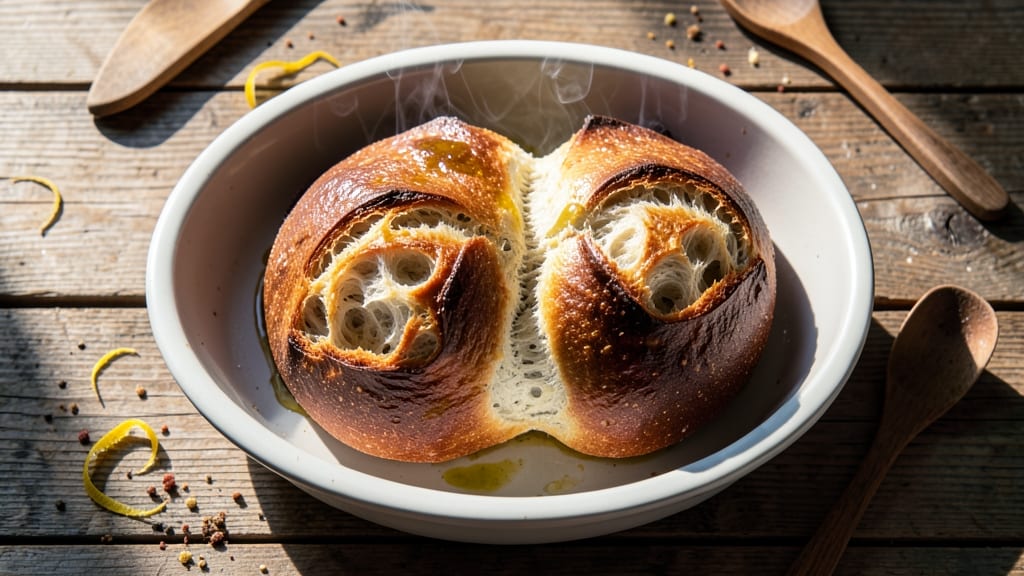
Arrowhead Mills ciabatta bread delivers that perfect balance of crusty crunch and airy, open crumb that makes every bite irresistible. This recipe leverages Arrowhead Mills' high-quality flour to create a loaf with dramatic holes and a golden, shatteringly crisp exterior—exactly what separates homemade bread from store-bought.
The secret lies in proper dough hydration and shaping, which we'll cover step by step for foolproof results every time.
What sets this ciabatta apart is its open, porous crumb that traps steam while baking, creating those signature pockets that make it ideal for dipping in olive oil or pairing with soups.
We'll use a straightforward dough formula with just five ingredients, including Arrowhead Mills' signature flour blend designed for optimal texture. The shaping technique is where the magic happens—stretching and folding the dough to develop gluten creates that signature airy structure.
By the time you pull this loaf from your oven, you'll have a golden-brown crust that snaps satisfyingly with each bite, revealing a light, airy interior that's perfect for soaking up sauces or simply enjoying on its own.
The aroma alone will transform your kitchen into an Italian bakery. This recipe builds confidence with clear instructions, whether you're a first-time baker or looking to perfect your ciabatta technique.
Arrowhead Mills' flour plays a crucial role in achieving that open crumb structure and crisp crust, but the real difference comes from proper proofing and baking techniques we'll cover.
The result is a loaf that's impressive enough for dinner guests but simple enough for weeknight baking. Let's get started on creating your perfect ciabatta.
Ingredients for arrowhead mills ciabatta bread
Five simple ingredients transform Arrowhead Mills flour into restaurant-quality ciabatta with signature airy crumb.
| Ingredient | Amount | Notes |
|---|---|---|
| Arrowhead Mills Bread Flour 🌾 | 4 cups | High-protein for open crumb structure |
| Instant Yeast 🍞 | ¼ tsp | Active dry works too |
| Granulated Sugar 🍚 | 1 tbsp | Feeds yeast for faster rise |
| Diamond Crystal Kosher Salt 🧂 | 1 ½ tsp | Adjusts dough hydration |
| Extra-Virgin Olive Oil 🫒 | 1 ½ tbsp | High-quality for flavor |
| Warm Water 💧 | 1 ½ cups | 105-110°F for ideal yeast activation |
| Cornmeal 🌽 | ½ cup | For dusting work surface |
| Semolina Flour 🌾 | ¼ cup | Enhances crust texture |
Arrowhead Mills flour is non-negotiable here—its high protein content creates that signature open crumb structure. Grab the 5-pound bag from their website or local specialty stores like Whole Foods or Gelson's for the best results. The flour's protein level (13.5%) gives you that dramatic oven spring. For yeast, Saf-Instant is my go-to since it activates without proofing, but active dry works if you give it 5 minutes in warm water. The olive oil matters too—California avocado or Italian extra-virgin brands like Colavita add fruity notes that shine in the finished loaf. Pro tip: measure your flour by weight (450g) for consistency, but cups work fine for home baking.
No instant yeast? Active dry at double the amount works, but you'll need to proof it first. Short on olive oil? Avocado oil or melted coconut oil are neutral substitutes, though they lack the fruity depth. The sugar can be swapped for honey or maple syrup if you prefer, but granulated keeps things simple. For the salt, Diamond Crystal is ideal—it dissolves better than table salt and enhances flavor. Need to stretch your budget? King Arthur or Bob's Red Mill bread flours work well too, though the crumb won't be quite as dramatic. The cornmeal and semolina are optional but worth it—they create that perfect crisp crust and prevent sticking during shaping.
This dough is a beast—it needs 2-3 hours of total proofing time at room temperature. Divide your time: shape the dough, then let it proof while you prep your baking surface. For the semolina crust, brush the top with olive oil before baking to maximize crispiness. The loaf keeps well for 3-4 days at room temperature, wrapped in a cotton towel. For longer storage, freeze the cooled loaf for up to 3 months. I always slice and freeze individual portions—perfect for quick toast or dipping in olive oil. The flavor actually improves after the first day as the crumb sets.
Why You'll Love This Recipe
- No-Knead Magic: I swear by this recipe because it’s the only ciabatta I’ll ever make again—just mix, let it rise, and bake. Arrowhead Mills flour gives it that signature chew without a single punch or stretch, and the instant yeast means no waiting around for proofing.
- Crispy-Gold Perfection: That extra-virgin olive oil brushed on top? It’s what turns this into something special—crispy edges that shatter like glass, but a soft, airy center that’s dangerously good with just a smear of butter. Honestly, I’ve tried store-bought, but this beats it every time.
- Weeknight Saver: Between us, I’ve used this loaf for everything from garlic butter toast to sandwiches that actually hold up. It’s my go-to for quick dinners when I’m too tired to fuss—toss some prosciutto and mozzarella inside, and you’ve got a meal in 10 minutes.
- Budget-Friendly Staple: A single batch feeds my whole family, and the leftovers last days—if they even make it that far. Arrowhead Mills flour is a steal, and the salt and sugar are pantry basics. I bake two loaves at once and freeze one; no waste, all flavor.
Step-by-step instructions for Arrowhead Mills ciabatta bread
Here's how to transform high-protein Arrowhead Mills flour into restaurant-worthy ciabatta with that signature open crumb and crispy crust.
Activate the Yeast and Create the Dough
In a large mixing bowl, combine the 1.5 cups warm water (between 105-110°F—test with your finger: it should feel warm but not hot) with the 1 tbsp granulated sugar and 0.25 tsp instant yeast. Let this sit for 5 minutes until frothy—you'll see small bubbles forming on the surface. This confirms your yeast is alive and ready to work.
Next, add the 4 cups Arrowhead Mills bread flour and 1.5 tsp diamond crystal kosher salt to the bowl. Stir with a wooden spoon until a shaggy mass forms, then drizzle in the 1.5 tbsp extra-virgin olive oil. Using your hands, knead the dough for 5-7 minutes until it becomes smooth and elastic. The high protein content in Arrowhead Mills flour will make this dough particularly stretchy—don't be surprised if it resists at first. You'll know it's ready when it springs back slowly when poked.
Let the Dough Rest and Develop Gluten
Lightly grease a large bowl with olive oil, place the dough inside, and cover it with a clean kitchen towel. Let it rest at room temperature for 1 hour. This initial rest period allows the gluten to relax and the dough to hydrate fully. During this time, I like to set a timer and check on it every 15 minutes—you'll notice the dough becoming smoother and more cohesive.
After the hour, the dough should have increased slightly in volume and feel more pliable. If the surface feels dry, lightly spray with water or add a few drops of olive oil to maintain elasticity. This step is crucial for developing the open crumb structure that makes ciabatta so distinctive—don't skip it, even if you're eager to get baking.
Shape the Dough and Prepare for Proofing
Generously dust your work surface with 0.5 cup cornmeal—this prevents sticking and adds texture to the final crust. Turn out the dough and divide it into 4 equal portions (about 1 pound each). For each portion, gently stretch it into a rough rectangle about 12x8 inches, then fold the long sides toward the center like a business letter. This creates tension that will open up beautifully during baking.
Place each folded dough piece seam-side up on a parchment-lined baking sheet. Cover loosely with a towel and let them proof at room temperature for 1-1.5 hours, or until they've risen by about 50%. You'll know they're ready when the dough feels light and springs back when gently pressed. The folds should remain visible but slightly expanded—this indicates proper gluten development.
Create the Signature Ciabatta Texture
Preheat your oven to 425°F with a baking stone or inverted baking sheet on the middle rack. While it heats, use a sharp knife or bench scraper to make ½-inch deep slashes across the tops of each dough piece at 1-inch intervals. This creates the signature open crumb structure—don't worry if the cuts aren't perfect, as the dough will expand dramatically during baking.
Just before baking, mix 0.25 cup semolina flour with 1 tbsp water to create a slurry. Brush this lightly over the tops of the dough pieces—this will give you that beautiful golden crust. Bake for 20-25 minutes until the bread is deep golden brown and sounds hollow when tapped on the bottom. The interior should register 190-200°F on an instant-read thermometer.
Cool and Serve for Maximum Crunch
Remove the ciabatta from the oven and let it cool on a wire rack for at least 30 minutes before slicing. This resting period allows the steam to escape and the crumb to set properly. If you can't wait, slice one piece to test—you'll be rewarded with that irresistible open, airy texture and crispy crust that makes ciabatta so special.
For best results, serve the bread warm or at room temperature. The crust should be shatteringly crisp while the interior remains soft and pillowy. Store any leftovers in an airtight container at room temperature for up to 3 days, or freeze for up to 3 months. The flavor only improves with time, making this bread perfect for toasting or serving alongside soups and salads.
Pro Tips For Making Arrowhead Mills Ciabatta Bread
- Weigh Your Flour: Arrowhead Mills Bread Flour is lighter than you think—don’t eyeball it. Use a kitchen scale for precise 400g measurements, or you’ll end up with dough that’s either too stiff or too slack. (I learned this after three failed batches where the texture was all wrong.)
- Mix Yeast in Warm Water: Instant yeast hates cold water—it takes forever to activate. Use water that’s about 105°F (just warm to the touch) and let it sit for 5 minutes before adding to the flour. This guarantees your dough will rise properly the first time, not the third.
- Stretch, Don’t Fold: When shaping ciabatta, resist the urge to fold the dough like a letter. Instead, gently stretch and fold it just once or twice—this creates those signature air pockets without overworking the gluten. (Your future self will thank you when the bread doesn’t turn out dense.)
- Score Deeply Before Baking: A shallow cut won’t do—use a razor blade or sharp knife to score at least ½ inch deep. This helps the bread expand properly and prevents it from cracking in weird places. (Yes, I’ve seen it happen when scores are too light.)
Best sauces and condiments for arrowhead mills ciabatta bread
Olive Oil Drizzle
Start with a simple yet transformative extra-virgin olive oil drizzle—use California avocado or Colavita brands for their fruity notes. Warm the oil slightly (110°F) and drizzle 2-3 tablespoons over freshly baked ciabatta.
The oil soaks into the open crumb while enhancing the bread's natural flavor. For extra richness, add a pinch of flaky sea salt and freshly cracked black pepper. 🫒
Garlic Confit
Infuse your ciabatta with bold garlic flavor by making a quick garlic confit. Slice 4-5 garlic cloves in half horizontally, then simmer them in 2 tbsp olive oil with ½ tsp red pepper flakes for 10 minutes until golden.
Let cool, then rub the garlic halves directly onto warm ciabatta slices. The oil from the confit will melt into the bread, creating a fragrant, garlicky bite. 🧄
Herb-Infused Compounds
Create a versatile herb compound butter by mixing ½ cup softened butter with 2 tbsp finely chopped fresh rosemary, 1 tbsp thyme leaves, and 1 tsp lemon zest. Spread a thin layer on ciabatta slices before toasting for a fragrant, herbaceous flavor.
For a Mediterranean twist, swap the herbs for sun-dried tomatoes and basil, then drizzle with balsamic glaze. 🌿
Spicy Chili Oil
For heat lovers, blend ½ cup olive oil with 2 tbsp chili flakes, 1 tsp crushed red pepper, and 1 minced garlic clove. Let it steep for 30 minutes before straining.
Drizzle 1-2 tablespoons over ciabatta slices and toast lightly for a fiery kick. Pair with ricotta cheese for a sweet-spicy contrast. 🌶️
Sweet Honey-Lavender
Balance the bread's savory notes with a honey-lavender glaze. Mix 2 tbsp honey with 1 tsp dried culinary lavender and 1 tsp warm water. Brush onto warm ciabatta slices and let sit for 5 minutes to soften the crust. The floral notes complement the bread's crispiness beautifully. 🍯
Truffle Oil Finish
Elevate your ciabatta with 1 tsp high-quality white truffle oil drizzled over toasted slices. For an extra touch, sprinkle with grated Parmesan cheese and freshly cracked black pepper. The earthy truffle flavor pairs perfectly with the bread's open crumb and crisp crust. 💎
Nutrition facts
Frequently asked questions
Can I use Arrowhead Mills flour substitutes?
The high protein content in Arrowhead Mills flour (13.5%) is key for that signature open crumb. For best results, use King Arthur Bread Flour or Bob's Red Mill High Gluten Flour—they're the closest substitutes. If you must use all-purpose flour, add 1 extra tablespoon of vital wheat gluten per cup to mimic the protein level. The texture won't be identical, but you'll still get a decent loaf.
Why did my ciabatta turn out dense instead of airy?
Dense ciabatta usually means underproofed dough or insufficient gluten development. Make sure your dough rests for the full 1 hour after mixing, and stretch/fold the dough properly during shaping to create tension. Also verify your yeast is active—it should foam within 5 minutes when mixed with warm water. If your kitchen is cold (65°F or lower), extend proofing time by 30-60 minutes.
How do I get an extra-crispy crust?
For maximum crust crunch, preheat your oven with a baking stone or inverted baking sheet for 30 minutes before baking. Brush the dough with a semolina slurry (mix 0.25 cup semolina + 1.5 tbsp water) right before baking, then bake at 425°F for 20-25 minutes. The steam from the slurry creates that golden, shatteringly crisp exterior. For extra crunch, sprinkle coarse sea salt on the crust before baking.
Can I make this ciabatta in a Dutch oven?
Yes! Shape your dough into a single large loaf (about 12x8 inches) instead of four pieces, then bake in a preheated Dutch oven at 425°F for 25-30 minutes. The Dutch oven traps steam, creating an even more dramatic oven spring. For best results, slash the dough deeply (½-inch cuts) before baking. The crust will be extra crispy from the contained steam.
How long can I keep homemade ciabatta?
Store wrapped in a cotton towel at room temperature for 3-4 days—the flavor actually improves as the crumb sets. For longer storage, freeze the cooled loaf for up to 3 months. To reheat, wrap frozen slices in foil and warm in a 350°F oven for 5-7 minutes. The crust stays crispy while the interior remains soft.