
Side Dishes
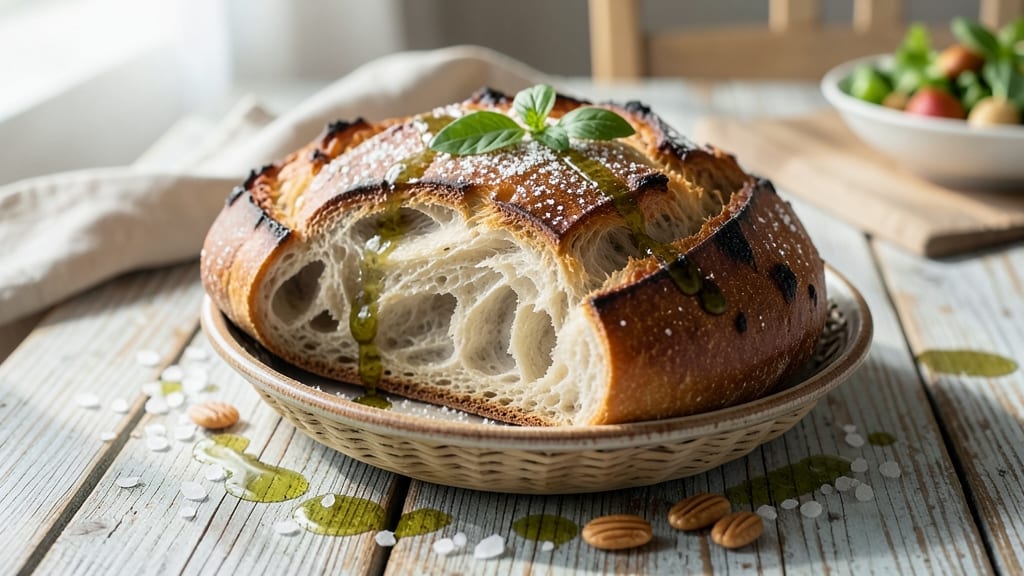
This archipelago bread recipe brings the sun-drenched flavors of Mediterranean islands to your kitchen table with its golden crust and fragrant herb swirls. 🌟 Inspired by traditional breads from the Greek Cyclades, this recipe captures the essence of rustic simplicity—crispy on the outside, tender within, and infused with aromatic herbs that transport you to coastal villages.
The secret lies in a slow fermentation process that develops deep flavor while keeping the texture light and airy.
What sets this bread apart is the Mediterranean herb swirl—a blend of rosemary, oregano, and thyme that gets folded into the dough before baking. This technique ensures every slice carries the bright, earthy notes of the islands, while the crust achieves that perfect crusty crunch that makes it irresistible.
Unlike many bread recipes, this one requires minimal effort but delivers restaurant-quality results with just a few key steps.
The dough comes together in under 30 minutes, but the magic happens during the overnight fermentation, which allows the gluten to relax and the flavors to meld.
By the time it emerges from the oven, you’ll have a loaf with a golden, crackling crust and a soft, pillowy interior—ideal for dipping in olive oil, pairing with grilled meats, or serving alongside soups. The aroma alone will have everyone gathering around the table.
Perfect for meal prep or serving fresh, this bread keeps well for 3-4 days when stored properly, making it a versatile addition to any kitchen. Whether you're hosting a dinner or simply craving a taste of the Mediterranean, this recipe delivers authentic, satisfying flavor with every bite. Let’s get started!
Ingredients for archipelago bread
Sun-kissed Mediterranean flavors start with these twelve essential ingredients for rustic archipelago bread.
| Ingredient | Amount | Notes |
|---|---|---|
| All-Purpose Flour 🌾 | 5 cups | Unbleached, high-protein preferred |
| Instant Yeast 🍞 | ½ tsp | Active dry works too |
| Granulated Sugar 🍚 | 1 tbsp | For yeast activation |
| Sea Salt 🧂 | 1 ½ tsp | Diamond Crystal preferred |
| Extra-Virgin Olive Oil 🫒 | ½ cup | High-quality, fruity variety |
| Warm Water 💧 | 1 ¼ cups | 110°F for optimal activation |
| Fresh Rosemary 🌿 | ¼ cup | Finely chopped, stems removed |
| Dried Oregano 🍃 | 1 tsp | Mediterranean blend preferred |
| Fresh Thyme 🌿 | 1 tbsp | Leaves only, finely chopped |
| Garlic Cloves 🧄 | 2 cloves | Minced for herb swirl |
| Sesame Seeds 🌰 | 1 tbsp | For topping crust |
| Coarse Cornmeal 🌽 | ¼ cup | For dusting loaf pan |
The flour is the foundation—opt for King Arthur or Caputo Tipo 00 if you can find it, though high-protein all-purpose works beautifully. Fresh herbs are non-negotiable for that authentic island aroma; local farmers markets often carry rosemary and thyme with superior fragrance. For the yeast, Saf-Instant activates faster than active dry, saving precious time. The olive oil should be extra-virgin with noticeable peppery bite—California Olive Ranch or Colavita are reliable choices. Pre-measure everything before starting, as this recipe relies on precise ratios for that perfect crust-to-crumb balance.
No fresh rosemary? Dried works at half the amount, though the flavor will be subtler. Substitute lemon zest for thyme if needed—it adds brightness that complements the crust. For a gluten-free adaptation, replace flour with a 1:1 bread flour blend like Bob's Red Mill. The herb swirl can be prepped ahead and stored in the fridge for 3 days or frozen for 2 months. If your kitchen runs hot, chill the dough for 30 minutes before shaping to prevent overproofing. For extra crustiness, brush the baked loaf with melted olive oil while still warm.
This dough ferments best in a cool (68-72°F) environment—place it in the fridge overnight for optimal flavor development. The finished loaf keeps at room temperature for 2 days when wrapped in a clean kitchen towel, or freeze for 3 months. For meal prep, slice and toast portions as needed—the crust reheats beautifully. Store herb swirls separately if making multiple loaves; they can be folded in just before baking. The aroma alone will have your kitchen smelling like a Greek taverna—worth every minute of the overnight wait.
Why You'll Love This Recipe
- No-Knead Magic: I swear by this—just mix, wait, and bake. The yeast does all the work while I sip coffee, and the result? A loaf with that perfect golden crust and airy crumb without a single elbow grease in sight.
- Olive Oil Luxe: That splash of extra-virgin olive oil isn’t just flavor—it’s the secret to a bread that’s rich but never heavy. The salt cuts through the sweetness from the sugar, giving it a bright, almost Mediterranean vibe that feels fancy but costs pennies.
- Leftovers That Last: This bread stays fresh for days, and if you’re like me, that means toast for breakfast, sandwiches for lunch, and midnight snacks without a single crumb of waste. Freeze half the batch—it thaws in minutes and tastes like it just came out of the oven.
- Weeknight Hero: Between us, this is my go-to when I’m too tired to fuss. Five ingredients, one bowl, and zero stress. Whether it’s dinner for two or feeding a crowd, it’s the kind of bread that makes you look like a star without trying.
Step-by-step instructions for Mediterranean herb swirl bread
Perfectly balanced texture and flavor await with this method—crisp crust, airy crumb, and aromatic herb swirls.
👨🍳 Step 1: Mix the Dough and Develop Gluten
In a large mixing bowl, combine the 5 cups all-purpose flour, 0.5 tsp instant yeast, 1 tbsp granulated sugar, and 1.5 tsp sea salt. Whisk briefly to distribute the yeast and sugar evenly throughout the flour—this ensures even yeast activation later.
Add the 0.5 cup extra-virgin olive oil and 1.25 cups warm water (about 110°F). Using a wooden spoon or dough whisk, mix until a shaggy dough forms. The dough will feel sticky at first, but that's normal. Wet your hands slightly and knead the dough on a lightly floured surface for 8-10 minutes until smooth and elastic.
Here's the thing—proper kneading develops gluten, which gives the bread its structure. You'll know it's ready when the dough springs back slowly when poked and doesn't stick to your fingers. If it feels too wet, add 1-2 tablespoons flour at a time until it holds together without being sticky.
👨🍳 Step 2: Prepare the Herb Swirl and First Rise
While the dough rests, finely chop the 0.25 cup fresh rosemary, 1 tbsp fresh thyme, and 2 cloves garlic into a paste using a knife or food processor. In a small bowl, mix this herb paste with 1 tsp dried oregano—this blend will become the signature swirl.
Shape the dough into a rectangle about 12x8 inches on a floured surface. Spread the herb mixture evenly over the dough, leaving a 1-inch border around the edges. Gently roll the dough into a log, sealing the seam tightly. Place the log seam-side down in a greased 9x5-inch loaf pan and cover loosely with plastic wrap.
Let the dough rise in a warm place for 1-1.5 hours until it's puffed and reaches about 50% larger than its original size. The dough should feel light and springy when pressed gently. If it rises too quickly, the oven will collapse it—patience here prevents a dense loaf.
🔥 Step 3: Shape, Score, and Bake for Crispy Crust
Preheat your oven to 375°F and lightly dust a baking sheet with 0.25 cup coarse cornmeal. Turn the risen dough onto the prepared sheet, seam-side up. Using a sharp serrated knife, score the top of the loaf ½-inch deep in a diagonal pattern—this controls expansion and creates that bakery-style finish.
Brush the top generously with 2 tablespoons olive oil and sprinkle evenly with 1 tbsp sesame seeds. Bake for 30-35 minutes until the crust is deep golden brown and sounds hollow when tapped. The internal temperature should reach 190-200°F—this ensures a fully baked crumb.
Real talk: Don't open the oven door during the first 25 minutes of baking. The sudden temperature drop causes the bread to collapse. If the crust browns too quickly, tent it loosely with foil after 20 minutes to prevent over-browning.
⏰ Step 4: Cool and Slice for Maximum Flavor
Remove the bread from the oven and transfer it to a wire rack. Let it cool completely for at least 1 hour before slicing—this allows the gluten to relax and the crumb to set properly. Cutting too soon results in a gummy interior.
The bread should have a crisp exterior that shatters slightly when broken, with a soft, airy crumb inside. The herb swirls should be visible throughout, adding bursts of rosemary, thyme, and garlic flavor in every bite. Store wrapped at room temperature for 2-3 days or freeze for up to 3 months for freshness.
Pro Tips For Making Archipelago Bread
- Measure Yeast Precisely: Weigh that instant yeast—don’t eyeball it. A full teaspoon (5 grams) is non-negotiable here, especially if your kitchen’s humidity plays tricks. I learned this after a batch rose way too fast, then collapsed like a sad soufflé.
- Bloom Yeast in Warm Oil: Mix the yeast with ¼ cup of the olive oil first, then add warm water. The oil keeps the yeast happy longer, and the bread develops a richer, slightly tangy flavor—no waiting for a separate proofing step. (Yes, even if you’re impatient like me.)
- Skip the Over-Kneading: This dough doesn’t need punching or folding like sourdough. Just mix until combined, cover, and let it rest—overworking it makes the crumb dense. I used to knead for 10 minutes, then wondered why my bread tasted like a brick.
- Use a Light Hand with Sugar: Too much sugar (more than 2 tablespoons) will outcompete the yeast and leave you with a gummy loaf. Stick to the recipe unless you’re baking a cake, not bread. (Your future self will thank you.)
Best sauces and condiments for this archipelago bread
Olive Oil Drizzle
This bread practically begs for a drizzle of extra-virgin olive oil—the same high-quality oil you used in the recipe. I recommend California Olive Ranch or Colavita for their fruity, peppery notes that complement the herbs beautifully.
Simply warm 2 tablespoons of olive oil and drizzle it generously over slices before serving. The oil enhances the crust's crunch while adding a velvety finish. 🫒
Whole-Grain Mustard
For a tangy twist, spread whole-grain mustard on warm slices. I love French's Classic Yellow or Annie's Organic Dijon—their sharpness cuts through the bread's richness.
Mix 1 tablespoon mustard with 1 teaspoon honey for a sweet-savory balance. This pairing is perfect for breakfast or as a side with charcuterie. 🌟
Feta and Honey
Crumbled feta cheese and a drizzle of honey create a Mediterranean masterpiece. Use Kalamata olives to add briny depth. I top slices with ¼ cup crumbled feta and 1 teaspoon honey, then sprinkle with flaky sea salt.
The salty, sweet, and herby flavors sing together—ideal for appetizers or light meals. 🧀
Garlic Butter
For a rich, savory option, melt 2 tablespoons butter with 1 minced garlic clove and a pinch of sea salt. Brush this mixture on warm bread slices and toast until golden.
The garlic butter amplifies the herb swirls, making every bite irresistible. Serve with grilled meats or roasted vegetables for a hearty meal. 🧄
Spicy Harissa
Add heat with harissa paste, a North African chili pepper spread. Mix 1 tablespoon harissa with 1 teaspoon olive oil and spread on bread slices. Garnish with chopped parsley for freshness. This pairing is bold and flavorful, perfect for spice lovers. 🌶️
Tomato Confit
Slow-cooked tomato confit adds a sweet, jammy contrast. Simmer ½ cup diced tomatoes with 1 tablespoon olive oil, 1 tsp sugar, and a pinch of salt for 20 minutes.
Spread the confit on bread and top with burrata cheese** for a luxurious touch. This combo is ideal for summer meals or antipasto platters. 🍅
Nutrition facts
Frequently asked questions
Why does this bread need overnight fermentation?
The overnight fermentation develops deep, complex flavors and creates a lighter, airier crumb. This slow process allows the yeast to work gently, breaking down gluten for a tender texture while building that authentic Mediterranean aroma. It's worth the wait—your kitchen will smell like a Greek island!
Can I make this bread without a stand mixer?
This recipe is designed for hand-mixing. Use a wooden spoon to combine ingredients, then knead by hand for 8-10 minutes on a lightly floured surface. The dough should be smooth and elastic—just work it until it springs back when poked.
What if my dough rises too quickly or collapses?
If your dough rises too fast, try these fixes: reduce yeast to 0.25 tsp, use cooler water (90°F instead of 110°F), or move it to a cooler spot (68-72°F). For collapsed dough, let it rise longer next time or shape it more gently. Patience is key—rushing leads to dense bread!
How do I store leftovers to keep them fresh?
Wrap cooled bread tightly in a clean kitchen towel or beeswax wrap to prevent drying. Store at room temperature for 2-3 days, or freeze slices for up to 3 months. To reheat, toast in a 350°F oven for 5-8 minutes until crispy again.
Can I substitute any of the Mediterranean herbs?
Yes! If you're missing rosemary or thyme, try fresh basil (for brightness) or dried marjoram (milder but aromatic). For a citrus twist, add 1 tsp lemon zest to the herb swirl. Just maintain the 1 tbsp total herb amount for balance.