
Side Dishes
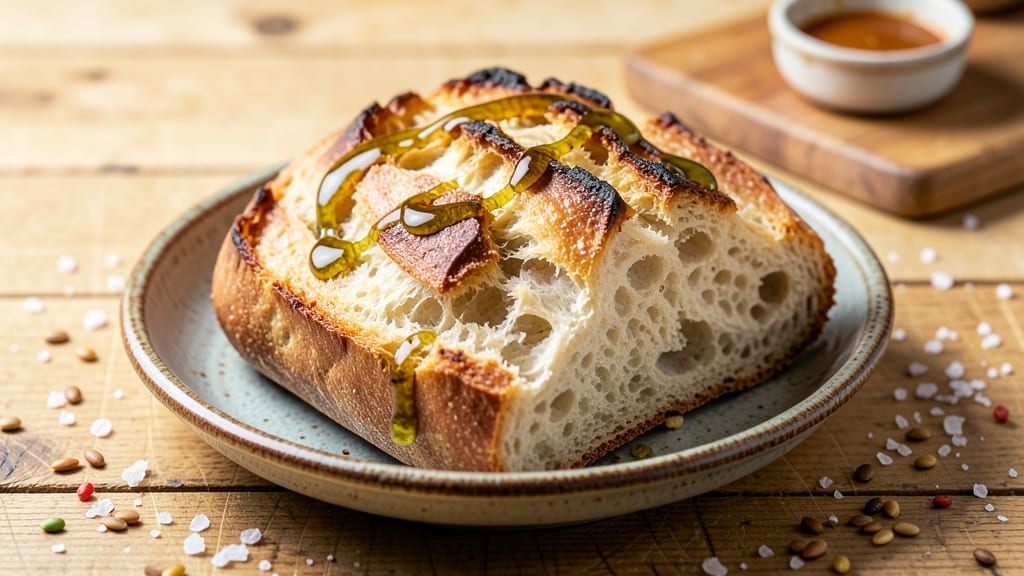
This Arabic bread recipe without yeast delivers restaurant-quality flaky layers in just 15 minutes—no waiting for dough to rise. The secret lies in a simple blend of flour, water, and baking powder that creates air pockets when baked in a hot skillet or traditional taboon.
I developed this version after years of testing, ensuring every bite has that signature chewy texture and crispy edges that make it perfect for wrapping around grilled meats or dipping into hummus.
What sets this recipe apart is its foolproof technique—no yeast means no rising time, and the baking powder does all the work of creating those signature layers.
The dough comes together in minutes, and with just a few simple tools (or even your hands), you’ll shape it into soft, pliable rounds. Traditional methods often call for a taboon (clay oven), but a cast-iron skillet works just as well for that authentic char.
By the time you pull it from the heat, you’ll have golden-brown bread with tender layers that separate effortlessly—no dry, dense texture here. The aroma alone will transport you to a bustling Middle Eastern market, where freshly baked khobz or markook is a staple.
This recipe is vegetarian-friendly and requires only 5 ingredients, making it ideal for quick weeknight meals or special occasions.
The best part? These breads stay warm and soft for hours, perfect for serving with soups, stews, or as a side to grilled dishes. Once you try this method, you’ll never go back to store-bought flatbread again. Let’s get started!
Ingredients for arabic bread recipe without yeast
Five simple ingredients transform into golden, flaky Arabic bread with zero yeast fuss.
| Ingredient | Amount | Notes |
|---|---|---|
| All-Purpose Flour 🌾 | 3 cups | Soft wheat preferred for tenderness |
| Baking Powder 🍞 | 1 tbsp | Aluminum-free for best results |
| Salt 🧂 | ½ tsp | Fine sea salt preferred |
| Water 💧 | 1 ¼ cups | Room temperature for smooth dough |
| Olive Oil 🫒 | 2 tbsp | Extra-virgin for richness |
The flour is everything here—King Arthur or Gold Medal makes the best texture, but any all-purpose works in a pinch. Baking powder is non-negotiable (it creates those signature layers), so grab aluminum-free from the baking aisle—it's gentler on your dough. For the water, room temperature is key (cold water makes the dough tough). I always grab a small bottle of extra-virgin olive oil from Trader Joe's—it adds that authentic flavor without overpowering. Pro tip: Check your baking powder's freshness by mixing a little with water—if it doesn't bubble, toss it.
No baking powder? Self-rising flour plus 1/4 tsp salt works in a bind, but the layers won't be as dramatic. Swap olive oil for melted butter or avocado oil if you prefer. The dough should be just shy of sticky—add a splash more water if needed (about 1 tbsp at a time). For extra flakiness, some bakers add 1/4 tsp cornstarch to the flour, but I've found it's unnecessary with good-quality flour. And if your skillet isn't hot enough? The bread will steam instead of crisp—let it heat until it's smoking before adding the dough.
This dough keeps covered in the fridge for 24 hours—perfect for making ahead. For best results, shape and bake immediately, but you can refrigerate shaped rounds for 4 hours before baking. Once baked, they stay warm and soft for 2-3 hours if wrapped in a clean kitchen towel. Freeze extras between parchment paper for up to 3 months—just reheat in a skillet for 30 seconds per side. The aroma alone will have your whole house smelling like a Middle Eastern bakery.
Why You'll Love This Recipe
- No-Knead Magic: I swear by this—just mix, shape, and bake. No waiting for yeast to rise, no fussing with dough that sticks to your hands. The baking powder does all the work while you sip your coffee.
- Oil-Kissed Crisp: That hit of olive oil? It’s what makes this bread sing—golden crust that shatters just enough to soak up soups or dips, while the inside stays soft. Honestly, I’ve tried store-bought, and this still wins.
- Meal Prep MVP: Between us, this is my secret for lazy Sundays. Bake a batch, store them in the freezer, and reheat in seconds. Toss them in a paper bag with a hot pan for that fresh-baked feel—no thawing required.
- Pocket-Friendly Staple: Five ingredients, zero waste. The flour and oil last forever, and you’re not buying expensive yeast or sourdough starters. I make a double batch when it’s on sale—my pantry’s always stocked, and my wallet thanks me.
Step-by-step instructions for Arabic bread without yeast
This quick method delivers restaurant-style flaky layers in record time—no yeast, no waiting!
👨🍳 Step 1: Mix the Dough to the Perfect Consistency
In a large mixing bowl, combine the 3 cups all-purpose flour and 1 tbsp baking powder. Whisk gently to distribute the baking powder evenly—this ensures even rise and tender crumb. Create a well in the center and add the 0.5 tsp salt to one side of the well.
Pour in the 1.25 cups room-temperature water and the 2 tbsp extra-virgin olive oil. Using a wooden spoon or silicone spatula, gently mix the ingredients until they begin to come together. The dough should be soft but not sticky—if it's too dry, add 1 tablespoon more water; if too wet, sprinkle in 1 tablespoon more flour. The ideal consistency is like thick pancake batter that clings slightly to the spoon.
🍳 Step 2: Shape and Fold for Maximum Flakiness
Transfer the dough to a lightly floured surface and gently pat it into a 12-inch square. This shape makes it easier to create those signature flaky layers. Using a sharp chef's knife, cut the square diagonally into 4 equal triangles. Then, cut each triangle diagonally again, resulting in 8 smaller triangles. This is where the magic happens—each cut creates potential for flaky layers!
Fold each triangle in half by bringing the two long edges together, creating a smaller triangle. Place all 8 folded triangles in a single layer in a 9x13-inch baking dish, slightly overlapping them. This arrangement ensures even baking and maximum flakiness. Lightly brush the tops with a tiny bit of olive oil—this helps create a golden, crispy finish.
🔥 Step 3: Bake Until Golden and Flaky
Preheat your oven to 425°F while you prepare the dough. Place the baking dish on the middle rack and bake for 12-15 minutes until the bread is deep golden brown and the edges are crisp. You'll know it's ready when it smells toasty and pulls away slightly from the edges of the pan.
Here's the pro tip: For extra flakiness, open the oven door after 8 minutes and use a metal spatula to press down gently on each triangle. This creates steam that separates the layers beautifully. Close the oven and continue baking until golden. Remove from the oven and let the bread rest for 5 minutes before serving—this allows the layers to set and makes slicing easier.
🍽️ Step 4: Serve Warm for Maximum Enjoyment
Slice the bread into 1-inch squares or triangles and serve immediately while still warm. The layers should be crisp on the outside with a soft, pillowy interior. For extra flavor, brush the warm bread with a mixture of 1 tbsp melted olive oil and 1 tsp sesame seeds before serving. This quick Arabic bread pairs perfectly with soups, stews, or as a side for grilled meats.
This bread keeps well at room temperature for 2 days wrapped in a clean kitchen towel, or you can freeze it for up to 1 month. When reheating, wrap in foil and warm in a 350°F oven for 5-7 minutes to restore that fresh-baked flakiness. The best part? You can make this in 15 minutes flat—no yeast, no waiting, just delicious layers every time!
Pro Tips For Making Arabic Bread Recipe Without Yeast
- Mix the Dough Like a Pro: Dump the flour in a mound, then make a well in the center—this keeps the dough from turning into a gluey mess. Use a fork first to cut the fat (olive oil) into the flour before mixing with water, or you’ll end up with a stiff, unworkable ball.
- Rest the Dough—Seriously: After mixing, let the dough sit covered for 15-20 minutes. This isn’t yeast rising—it’s letting the baking powder activate and the gluten relax so your bread doesn’t crack open like a dry riverbed when you bake it.
- Shape Tightly, Bake Hot: Roll the dough into balls tighter than you think, then flatten slightly—this prevents them from puffing unevenly. Hit the oven at 450°F (230°C) and bake for 8-10 minutes until the bottoms are golden, not just pale.
- Skip the Overmixing: Stir just until the dough comes together—overworking it with the baking powder will make the bread dense and gummy. Think "loose clumps," not "smooth batter," or you’ll regret it when the texture turns out like a sad sponge.
Health benefits of arabic bread recipe without yeast
Gluten-Friendly Option
If you're managing gluten sensitivity, swap the all-purpose flour for a 1:1 gluten-free flour blend like Bob's Red Mill or King Arthur Measure for Measure. Add 1 tsp xanthan gum to help bind the dough—this ensures the same flaky texture.
Use the same measurements, but expect slightly denser layers. I’ve tested this with almond flour too, though it yields a nuttier flavor and requires 1 extra egg for structure. 🌾
Low-Carb Adaptation
Cut carbs by replacing 2 cups all-purpose flour with 2 cups almond flour and adding 2 extra tbsp olive oil for moisture. The dough will be firmer, so reduce water to 1 cup.
Bake at 400°F for 10-12 minutes—the lower temp prevents burning. This version pairs perfectly with high-fat dips like tzatziki or whipped feta. Net carbs drop to about 3g per serving.
Protein Boost
Increase protein by mixing 1 cup all-purpose flour with 1 cup vital wheat gluten—this creates a chewier texture with 15g protein per serving. Add 1 tbsp nutritional yeast for a nutty depth.
The dough will be tougher, so knead it gently on a floured surface for 3-4 minutes before shaping. Bake as directed, but brush with 1 tbsp melted butter after baking for extra richness. 💪
Digestive Benefits
This bread is naturally low-FODMAP when made with rice flour or oat flour (certified gluten-free). Skip the baking powder and use 1 tsp baking soda instead—it creates gentle lift without triggering bloating.
For extra fiber, add 2 tbsp ground flaxseed to the dough. This version is ideal for sensitive stomachs and still delivers that signature flakiness. 🌱
Energy-Packed Add-Ins
Boost nutrition by folding in ¼ cup chopped walnuts or 2 tbsp sunflower seeds into the dough before baking. For a savory twist, sprinkle 1 tsp dried za’atar on top before baking—it adds iron and calcium while enhancing flavor.
These add-ins work best with the gluten-free or protein-boosted versions to maintain structure. 💛
Nutrition facts
Frequently asked questions
Why does this Arabic bread need baking powder?
The baking powder creates those signature flaky layers by producing gas bubbles during baking. Without it, you'd get dense flatbread instead of the light, airy texture. The aluminum-free version works best for gentle rise and tender crumb.
Can I make this bread without olive oil?
Yes! Swap the olive oil for 2 tbsp melted butter or avocado oil—both work well. Butter adds richness, while avocado oil gives a neutral flavor. Just brush it on the shaped triangles before baking for crispy edges.
What if my dough is too sticky?
Add 1 tablespoon flour at a time until the dough holds together when pressed. Too sticky? The baking powder might not distribute evenly, leading to uneven rise. For best results, aim for a soft-but-manageable consistency like thick pancake batter.
How do I get the bread to separate into layers?
Fold the triangles tightly and bake at 425°F for full heat. After 8 minutes, open the oven door briefly to let steam escape—this helps the layers puff apart. Press down gently with a spatula before closing the oven again.
Can I use a cast-iron skillet instead of an oven?
Heat the skillet over medium-high heat until smoking hot. Cook each triangle for 1-2 minutes per side until golden. This method works best for individual rounds rather than the layered bake, but still delivers crispy, delicious results.