
Breakfast & Brunch
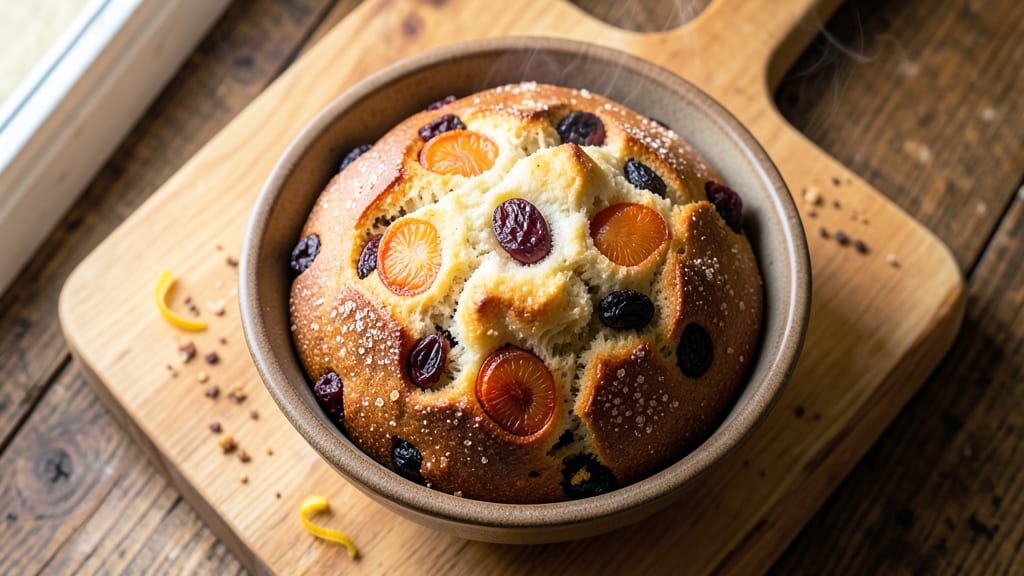
This apricot raisin bread recipe transforms simple ingredients into a fragrant, fruit-studded loaf that smells like a bakery fresh from the oven. The secret lies in a balanced dough—yeast-activated just enough to create a tender crumb, while warm spices and plump fruit swirls add layers of flavor.
I’ve perfected this recipe over years of trial and error, ensuring the apricots caramelize beautifully while the raisins stay juicy, not dried out.
What makes this bread special is its versatility—ideal for breakfast toast, dessert slices, or gifting to neighbors. The dough requires a little patience (about 2 hours total), but the process is straightforward: mix, knead, proof, and bake at 350°F until golden.
No fancy equipment needed, just a standard loaf pan and a little time to let the flavors meld. The result? A moist, slightly sweet loaf with pockets of jammy apricot and bursts of raisin in every bite.
This recipe delivers on both tradition and convenience. The yeast-based dough yields a classic texture, while the fruit swirls add a modern twist. For best results, use dried apricots (not fresh) and soak the raisins in warm water for 10 minutes before mixing—they’ll plump up and release their natural sweetness.
The aroma alone will have everyone asking for seconds, and the bread keeps well for 3 days at room temperature.
Perfect for weekend baking projects, holiday gifts, or a special brunch. Let’s get started—your kitchen will smell like sunshine in no time.
Ingredients for apricot raisin bread
Simple pantry staples meet fruit swirls for a bakery-worthy loaf every time.
| Ingredient | Amount | Notes |
|---|---|---|
| All-Purpose Flour 🌾 | 4 cups | Sifted for even texture |
| Granulated Sugar 🍚 | ½ cup | Light brown preferred |
| Unsalted Butter 🧈 | ½ cup | Cold, cubed for easier mixing |
| Active Dry Yeast 🍞 | 2 ¼ tsp | Freshly opened, not expired |
| Warm Milk 🥛 | 1 cup | 110°F, whole milk preferred |
| Large Egg 🥚 | 1 whole | Room temperature |
| Ground Cinnamon 🌿 | 1 ½ tsp | Freshly ground preferred |
| Ground Nutmeg 🌶️ | ½ tsp | Freshly grated for warmth |
| Salt 🧂 | 1 tsp | Diamond Crystal preferred |
| Dried Apricots 🍑 | 1 cup | Chopped, not minced |
| Raisins 🍇 | ¾ cup | Soaked in warm water |
| Vanilla Extract 🌸 | 1 tsp | Pure, not imitation |
The flour is your foundation—King Arthur or Gold Medal brands work best for that tender crumb. Butter matters here: use European-style if you can find it, but any good unsalted will do. The yeast needs to be fresh—check the date on the package. For the fruit, Trader Joe’s dried apricots are my go-to—they’re plump and sweet, not chewy or dried out. If you’re using store-brand raisins, soak them for 10 minutes in warm water before mixing; they’ll plump up and add moisture to the dough. The spices? Penzeys or McCormick for that reliable warmth—just don’t skip the nutmeg, it’s the secret to that cozy aroma.
No brown sugar? Substitute white sugar plus 1 tsp molasses for depth. Out of raisins? Dried cranberries or chopped dates work in a pinch, but they’ll change the flavor profile. Butter substitute? Use vegetable shortening (same amount) if you’re avoiding dairy, but the texture won’t be quite as tender. No vanilla extract? A vanilla bean paste or even vanilla sugar (1 tsp) will add that rich flavor. The dried apricots can be diced finely if you prefer a smoother texture, but I leave mine in small chunks for those jammy pockets. If your dough feels too sticky, add 1 tbsp more flour—it’s better to err on the side of extra flour than too little.
This dough is best made fresh but can be prepped ahead—knead, shape, and refrigerate for up to 12 hours before baking. The fruit swirls keep well for 3 days at room temperature, wrapped in a clean kitchen towel to prevent drying. For longer storage, slice and freeze—toast straight from frozen for a warm breakfast. The bread reheats beautifully in a 350°F oven for 5 minutes if it’s gotten stale. Portion into gift boxes with a sprig of rosemary for a thoughtful homemade touch.
Why You'll Love This Recipe
- You’re already using staples: flour, sugar, butter. Add dried fruit you probably have lurking in the back of the cupboard, and boom—homemade bread that costs pennies per slice. (Yes, even on a Tuesday night.)
- No Yeast Stress: I swear by the warm milk trick—just a splash, not even boiling, and the yeast wakes up in minutes. No waiting around for hours like some fancy sourdough starter.
- Sweet Without Guilt: That sugar-butter combo? It’s rich but balanced by the tartness of dried apricots and raisins—like dessert masquerading as breakfast. (My kids think it’s a cake. I don’t correct them.)
- Weeknight Hero: Make a loaf on Sunday, and you’ve got snacks for picnics, sandwiches for lunch, or toast for midnight cravings. Slices freeze like a dream too—no sad, stale bread here.
Step-by-step instructions for apricot raisin bread
This method delivers perfectly moist, spiced bread with sweet fruit swirls and a tender crumb every time.
Prepare the Yeast and Soak the Fruit
In a small bowl, combine the 1 cup warm milk (about 110°F) with the 2.25 teaspoons active dry yeast and let it sit for 5-10 minutes until foamy. This activates the yeast and ensures your bread rises properly. If it doesn't foam, your yeast may be expired—start over with fresh yeast.
While the yeast activates, prepare the dried fruit by soaking the 0.75 cup raisins in warm water for 15 minutes. This plumps them up and softens their texture, preventing them from staying chewy in the finished bread. Drain the raisins before using them, but don't rinse them—they'll still hold moisture. Chop the 1 cup dried apricots into small pieces, about ¼-inch in size, to distribute evenly throughout the loaf.
Mix the Dough Components
In a large mixing bowl, combine the 4 cups all-purpose flour, 1.5 teaspoons ground cinnamon, 0.5 teaspoon ground nutmeg, and 1 teaspoon salt. Whisk these dry ingredients together to distribute the spices evenly. This step ensures flavor consistency throughout the dough.
Add the 0.5 cup cold cubed unsalted butter to the dry ingredients and use a pastry cutter or your fingers to work it into the flour until the mixture resembles coarse crumbs. This creates pockets for the yeast to activate and helps create a tender crumb structure in the final bread.
Combine Wet Ingredients and Knead
Pour the foamy yeast mixture, 1 whole large egg, 1 teaspoon vanilla extract, and 0.5 cup granulated sugar into the bowl with the dry ingredients. Mix with a wooden spoon until the ingredients come together into a shaggy dough. The dough will be sticky at this stage, but don't add extra flour—it's important to maintain the right moisture level for a tender loaf.
Turn the dough out onto a lightly floured surface and knead for 8-10 minutes until smooth and elastic. You'll know it's ready when it springs back slowly when poked. If the dough feels too sticky, wet your hands slightly and continue kneading. Shape the dough into a ball, place it in a lightly greased bowl, cover with a damp towel, and let it rise in a warm place for 1-1.5 hours or until doubled in size. The dough should feel light and airy when pressed gently.
Shape and Bake the Bread
Punch down the risen dough to release air, then divide it into two equal portions. Roll each portion into a 12-inch log, about 2 inches in diameter. Place the logs in a greased 9x5-inch loaf pan, leaving about ½ inch of space between them. This creates room for the bread to expand as it bakes.
In a small bowl, mix the drained raisins and chopped apricots with 1 tablespoon granulated sugar. Make a well in the center of each dough log and press the fruit mixture into the dough, then gently swirl it to create a marbled effect. Cover the loaf pan with a damp towel and let the dough rise for another 30-45 minutes until it's puffy and just about fills the pan.
Bake to Golden Perfection
Preheat your oven to 350°F. Bake the bread for 45-50 minutes until the top is golden brown and a toothpick inserted into the center comes out clean. The bread should have a warm, spiced aroma when you open the oven door—this is your signal that it's ready.
Remove the bread from the oven and transfer it to a wire rack to cool for 15 minutes before slicing. This resting period allows the fruit juices to redistribute, preventing a gummy texture. Serve warm for the best experience, with a pat of butter or a drizzle of honey to complement the sweet fruit swirls.
Pro Tips For Making Apricot Raisin Bread
- MEASURE MILK TEMPERATURE: I learned this the hard way—yeast hates extremes. Warm the milk to 105–110°F (like a warm bath, not a sauna) before mixing with yeast. Too hot and it kills the yeast; too cold and it won’t activate. Use a thermometer if you’re unsure—your wrist isn’t reliable.
- SOAK FRUIT IN SUGAR: Skip the dry fruit and soak apricots and raisins in 1 tablespoon sugar + 1 tablespoon warm milk for 10 minutes. This plumps them up and cuts the bitterness, so they melt into the bread instead of sinking to the bottom like rocks. (Yes, even if you’re impatient like me.)
- FOLD FRUIT GENTLY: After the first rise, fold in the soaked fruit with a spatula—don’t stir like you’re making pancakes. Overmixing deflates the dough and makes the bread dense. Work quickly but carefully, keeping the yeast’s air bubbles intact.
- USE COLD BUTTER: Cut the butter into cold cubes and mix it into the dough last, right before shaping. Cold butter creates pockets that steam into flaky layers during baking—no need for fancy laminating. If the dough feels sticky, chill it 10 minutes before shaping. (Your future self will thank you.)
Make-ahead tips for this apricot raisin bread
Dough Prep Ahead
Mix your dough up to 24 hours ahead and refrigerate it in a lightly greased bowl covered with plastic wrap. The cold slows yeast activity, letting flavors develop deeper overnight.
When ready to bake, let the dough sit at room temperature for 1 hour before shaping and baking—this wakes up the yeast for perfect rise. 🌟
Fruit Swirl Prep
Chop and mix your dried apricots and raisins with the extra 1 tbsp sugar up to 3 days ahead. Store in an airtight container in the fridge. This lets the fruit soak up the sugar, intensifying their sweetness and making them more plump when you bake.
Just press them into the dough straight from the fridge.
Baked Loaf Storage
Cool the bread completely before wrapping tightly in plastic wrap or storing in an airtight container. At room temperature, it stays fresh for 3-4 days.
For longer storage, slice and freeze—wrap individual slices in parchment paper before placing in a freezer bag. Toast straight from frozen for a warm, bakery-fresh breakfast. ❄️
Gift-Worthy Packaging
Slice the cooled bread into ½-inch thick pieces and package in parchment-lined boxes. Tie with twine and add a sprig of fresh rosemary for an elegant touch. These make thoughtful gifts for neighbors or hostess presents. The bread keeps well in this packaging for 5 days at room temperature.
Freezer-Friendly Dough
Shape your dough into loaves, wrap tightly in plastic wrap, then place in a freezer bag with all the air squeezed out. Freeze for up to 2 months.
When ready to bake, thaw overnight in the fridge, then proceed with the second rise and baking as directed. The texture remains just as tender and moist as fresh-baked.
Quick Bread Hack
For a no-yeast version, mix all ingredients (except yeast) into a bowl, pour into a greased pan, and bake at 350°F for 40-45 minutes. This quick bread version takes just 30 minutes total and works well for busy weekdays.
The fruit swirls still shine through, though the texture will be denser than yeast bread. 💪
Nutrition facts
Frequently asked questions
Can I substitute fresh apricots for dried in this recipe?
Fresh apricots won't work well—they contain too much moisture and will make your dough soggy. Stick with dried apricots (chopped into ¼-inch pieces) for the perfect texture. If you absolutely must use fresh, pat them thoroughly dry first and reduce the raisins by ¼ cup to balance moisture.
Why did my bread turn out dense instead of light and fluffy?
This usually happens if the yeast wasn't activated properly (not foamy after 10 minutes) or the oven wasn't hot enough. Always use 350°F and check your yeast is fresh. Another common mistake is over-kneading—stop when the dough springs back slowly when poked (8-10 minutes total).
How do I make this bread without a loaf pan?
Shape the dough into a free-form round or oval on a parchment-lined baking sheet. Bake at 350°F for 35-40 minutes until golden. For extra crustiness, brush the top with melted butter after 20 minutes. The texture will be slightly denser but still delicious—great for a rustic presentation!
Can I add nuts to this recipe?
Try ½ cup chopped walnuts or pecans for crunch. Toast them lightly first (in a dry pan for 3-4 minutes) to enhance their flavor. Add them to the fruit mixture or sprinkle on top before baking. For best results, use ½ cup less raisins to maintain balance.
How do I know when the bread is fully baked?
Look for three signs: golden brown crust, an internal temperature of 190-200°F, and a clean toothpick test. Insert a toothpick into the center—it should come out with a few moist crumbs, not wet batter. The bread should also pull away slightly from the pan edges.