
Desserts
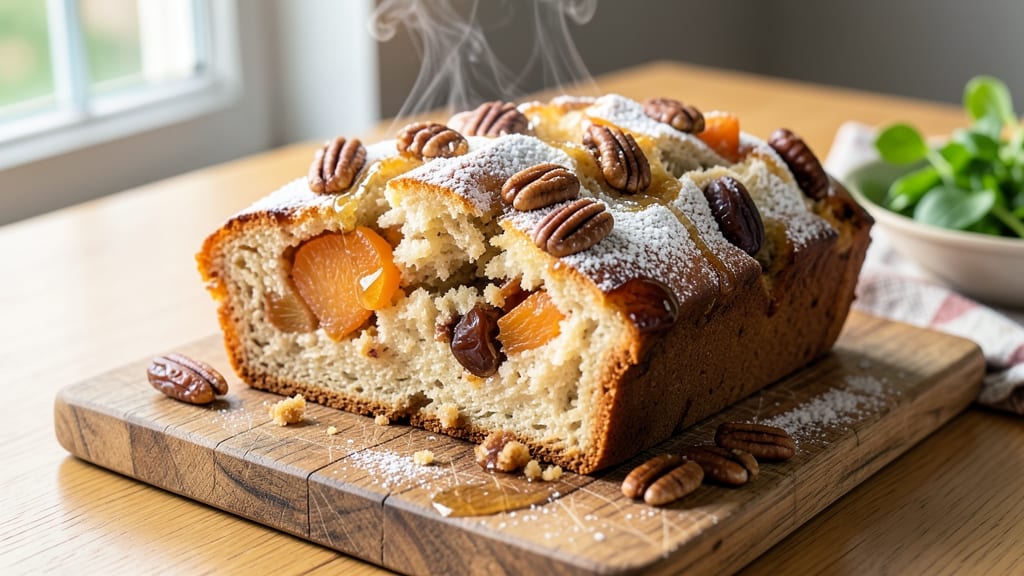
This apricot date nut bread delivers a perfect balance of chewy texture, sweet apricot swirls, and crunchy nuts in every slice. The secret lies in a moist, tender crumb that holds up to the rich fruit and nut filling, making it a showstopper for brunch or dessert.
I developed this recipe after years of baking, ensuring the dates and apricots caramelize just enough to create pockets of jammy sweetness without overpowering the bread's natural flavor.
The beauty of this recipe is its simplicity—just a handful of pantry staples come together to create something that tastes like it came from a bakery.
The dough is enriched with brown sugar and eggs for moisture, while the filling combines chopped dates, apricots, and nuts for a textural contrast that keeps every bite interesting.
Baking time is minimal, but the waiting is worth it when you pull out a golden loaf with those signature swirls peeking through.
What you’ll end up with is a loaf that’s moist yet sturdy, with a slightly crisp crust and a tender crumb that’s perfect for slicing. The apricot-date filling adds bursts of fruitiness, while the nuts provide a satisfying crunch.
This bread is ideal for breakfast, dessert, or even as a gift—it freezes beautifully and tastes even better the next day.
For extra flavor, consider adding a touch of citrus zest to the filling or swapping in walnuts for pecans. The possibilities are endless, but the foundation remains the same: a foolproof recipe that delivers bakery-quality results at home. Let’s get started!
Ingredients for apricot date nut bread
Pantry staples meet fruit and nut magic for this bakery-style apricot date nut bread.
| Ingredient | Amount | Notes |
|---|---|---|
| All-Purpose Flour 🌾 | 3 ½ cups | Sifted for light texture |
| Granulated Sugar 🍚 | 1 cup | For sweetness balance |
| Brown Sugar 🍚 | ¾ cup | Packed, for moisture |
| Large Eggs 🥚 | 2 whole | Room temperature preferred |
| Unsalted Butter 🧈 | 1 cup | Softened, not melted |
| Milk 🥛 | 1 cup | Whole milk for richness |
| Vanilla Extract 🌿 | 2 tsp | Pure vanilla preferred |
| Baking Soda 🧂 | 1 tsp | For proper rise |
| Salt 🧂 | ½ tsp | Kosher or sea salt |
| Pitted Dates 🍇 | 1 cup | Chopped, for filling |
| Dried Apricots 🍑 | 1 cup | Chopped, not too fine |
| Pecans 🌰 | 1 cup | Chopped, toasted optional |
| Lemon Zest 🍋 | 1 tbsp | Brightens filling flavor |
The flour and sugars form the bread's foundation, so King Arthur or Gold Medal brands work best for consistent texture. Pecans should be high-quality, preferably raw—Trader Joe's or Costco sell them at good prices. For the dried fruit, look for organic dates and apricots at Whole Foods or bulk bins; they hold moisture better than store-brand versions. The butter matters here—use Plugrá or Land O'Lakes unsalted for reliable performance. Lemon zest can be zested fresh or bought pre-zested from Trader Joe's if you're short on time.
No pecans? Walnuts or almonds work just as well—just toast them first for better flavor. Substitute dried figs for apricots if you prefer, but dates are non-negotiable for that signature caramelized sweetness. The milk can be swapped for almond milk if you're avoiding dairy, though the texture will be slightly less tender. For a deeper flavor, add 1 tsp cinnamon to the dough. The dried fruit should be chopped uniformly—food processor in 3-second bursts prevents over-processing into paste. If you're making this ahead, prep the filling first and store it separately for up to 3 days in the fridge.
This bread keeps beautifully—3-4 days at room temperature wrapped in foil, or 1 week in the fridge. For longer storage, freeze the loaf wrapped in plastic for up to 3 months. I recommend slicing before freezing for perfect single-serving portions. The filling can be prepped 2 days ahead and stored in the fridge, saving you time on baking day. To reheat, wrap slices in a damp paper towel and warm in a 200°F oven for 5-7 minutes—restores that fresh-from-the-oven texture.
Why You'll Love This Recipe
- No-Measurement Madness: I swear by this recipe because it’s the kind of thing you can eyeball. Mix the flour, sugars, and butter until it’s just almost crumbly—no food scale needed. The eggs and chopped apricots fold in like you’re assembling a puzzle you already know fits.
- Sweet-Savory Magic: That caramelized brown sugar and butter combo? It’s the secret weapon. The dried apricots and dates add natural sweetness without tasting cloying, while the nuts give it a satisfying crunch. Honestly, it’s the kind of bread that disappears faster than my willpower on a Monday morning.
- Breakfast to Dessert: Serve it toasted with butter for breakfast, or drizzle with honey and a sprinkle of cinnamon for an after-dinner treat. I’ve even packed slices in lunches—it’s sturdy enough to hold up but still tastes fresh hours later. (Yes, even on a Tuesday night.)
- Leftovers That Last: This bread stays moist for days, so you’re not stuck with stale ends of loaves. Freeze slices for a quick snack, or stash them in the fridge for toast in the morning. Between us, the first batch rarely makes it that far—my family just keeps asking for more.
Step-by-step instructions for apricot date nut bread
Follow this method for a perfectly moist crumb and rich fruit-nut swirls throughout.
Prepare the Fruit-Nut Filling
In a food processor, pulse the 1 cup pitted dates and 1 cup dried apricots until they form a coarse paste with small fruit pieces remaining. This texture ensures pockets of fruit in every bite without overwhelming the bread's structure. Add the 1 cup pecans and pulse just until combined—you want them evenly distributed but still visible.
Transfer the mixture to a mixing bowl and stir in the 1 tablespoon lemon zest. The citrus brightens the sweetness and balances the fruit's natural sugars. Set this filling aside while you prepare the dough. The dates and apricots will soften slightly as they sit, making them easier to incorporate later without altering the bread's texture.
Cream Butter and Sugars
In a stand mixer fitted with the paddle attachment, beat the 1 cup unsalted butter (softened but not melted) with the 1 cup granulated sugar and ¾ cup packed brown sugar on medium speed for 3-4 minutes. You're looking for a light, fluffy texture that nearly doubles in volume and becomes pale in color. This creaming process incorporates air, which creates a tender crumb.
Stop occasionally to scrape down the sides of the bowl with a rubber spatula—this ensures even mixing. The butter should be completely smooth with no visible lumps. If it looks too thick, let it sit at room temperature for 5 minutes before proceeding. Overworking the butter at this stage can lead to a dense final product.
Add Eggs and Dry Ingredients
Add the 2 whole large eggs one at a time, mixing on low speed for 30 seconds after each addition until fully incorporated. Then stir in the 2 teaspoons vanilla extract and 1 cup milk. The mixture will appear slightly curdled at first, but don't worry—this will resolve as you add the dry ingredients.
In a separate bowl, whisk together the 3½ cups all-purpose flour, 1 teaspoon baking soda, and ½ teaspoon salt. With the mixer on low speed, gradually add the dry ingredients to the wet mixture, mixing just until combined. You should still see small flour streaks—overmixing develops gluten and makes the bread tough. Stop mixing as soon as the dough comes together.
Fold in Filling and Shape the Loaf
Using a rubber spatula, gently fold half of the fruit-nut filling into the dough until evenly distributed. Be careful not to overmix—just enough to create swirls throughout. Transfer the dough to a lightly greased 9x5-inch loaf pan, spreading it evenly. The dough will be sticky, but don't worry—this is normal for a moist bread.
Sprinkle the remaining filling evenly over the top of the dough, then gently press it down with your fingers to create visible swirls. This ensures each slice has those signature pockets of fruit and nuts. Place the loaf pan on a baking sheet lined with parchment paper to catch any potential spills during baking.
Bake to Golden Perfection
Preheat your oven to 350°F and bake the bread for 50-55 minutes, or until a toothpick inserted into the center comes out clean. The top should be golden brown with a slight crack, and the internal temperature should reach 205°F. If the top browns too quickly, tent the pan loosely with aluminum foil to prevent over-browning while ensuring the center cooks through.
Let the bread cool in the pan for 10 minutes, then transfer it to a wire rack to cool completely. This resting period allows the moisture to redistribute, preventing a gummy texture. Once fully cooled, slice with a serrated knife for clean cuts that showcase those beautiful fruit-nut swirls. Serve warm with butter or as part of a breakfast spread.
Pro Tips For Making Apricot Date Nut Bread
- Mix Butter and Sugars First: Cream the butter with both sugars until it’s light and fluffy—about 3-5 minutes with a stand mixer. I learned this the hard way when my bread turned dense; the brown sugar clumps like a stubborn guest if you rush it. Let the butter sit at room temp for 30 minutes beforehand, or microwave it in 10-second bursts if you’re impatient.
- Chop Nuts Coarse: Skip the fine grind—toss those walnuts or almonds into the food processor for 8-10 seconds, just until they’re roughly chopped. Fine nuts get lost in the crumb and make the texture gritty. A handful of whole nuts peeking through adds chew and visual appeal.
- Don’t Overmix the Dough: Stop folding in the wet ingredients as soon as the flour disappears—overmixing develops gluten and turns your tender bread into a chewy loaf. After 10-12 strokes with a spatula, test the consistency: it should look shaggy, not smooth. Trust the recipe’s cup measurements; eye-balling leads to dryness.
- Bake Until Internal Temp Hits 205°F: The bread’s real doneness isn’t just about color—use a thermometer to check the center. At 205°F, the crumb is set but still moist, and the top has that perfect crack. If you pull it out at 190°F, it’ll sink faster than a rock in water. Tent with foil after 30 minutes to prevent over-browning.
Flavor customization for this recipe
Citrus Zest Boost
Brighten the filling with an extra 1 tbsp lemon zest or swap for orange zest (about 1½ tsp) for a tropical twist. The citrus enhances the fruit's natural sweetness and adds a refreshing contrast.
I find that Yuzu zest (available at specialty stores) adds a unique floral note that pairs beautifully with the dates and apricots. 🍋
Spiced Variations
Infuse warmth by adding ½ tsp cinnamon or ¼ tsp cardamom directly to the dough for a cozy, aromatic depth. For a smoky touch, fold ¼ tsp smoked paprika into the fruit filling. I love using Penzeys Spices for their high-quality, flavor-packed blends—just a pinch can elevate the entire loaf.
Nut Swaps
Pecans aren't your only option! Try walnuts for a richer, earthier flavor or almonds for a lighter crunch. For a buttery taste, toast hazelnuts with a pinch of salt before chopping. I recommend lightly toasting any nuts you use—it intensifies their flavor and reduces bitterness.
Sweetness Control
Adjust the sugar ratio to suit your taste: reduce granulated sugar by ¼ cup for a less sweet loaf, or add 2 tbsp honey to the filling for a floral depth.
For a caramelized edge, brush the top with egg wash mixed with 1 tsp maple syrup before baking. The syrup adds a glossy finish and subtle sweetness.
Gluten-Free Adaptation
Replace the all-purpose flour with a 1:1 gluten-free baking blend (like King Arthur Measure for Measure) and add ½ tsp xanthan gum to the dough. The texture will be slightly denser, but the fruit-nut filling still shines.
I’ve found that gluten-free versions benefit from an extra 1 tbsp milk to maintain moisture. 💪
Nutrition facts
Frequently asked questions
Can I make this bread without a food processor?
For the filling, finely chop the 1 cup dates and 1 cup dried apricots by hand using a sharp knife or pulse in a blender until you get a coarse texture. The key is to keep some visible fruit pieces for texture. For the nuts, simply chop them with a chef's knife instead of processing.
How do I prevent the bread from being too dense?
Overmixing is the #1 cause of dense bread. Mix the dough just until combined—you should still see small flour streaks. Also, make sure your butter is softened but not melted before creaming, and don't overfill the pan. A 9x5-inch loaf pan is perfect for this recipe. Let the bread cool completely before slicing too.
Can I substitute fresh apricots for dried?
Fresh apricots won't work in this recipe—they contain too much water and will make the filling too wet. Instead, try dried figs or dried mango if you can't find dried apricots. For a fresh fruit version, consider making a separate apricot compote to swirl into the dough after baking. The texture will be different but still delicious!
Why did my bread turn out dry? Dry bread usually means the dough was under-mixed or the oven was too hot.
Can I make this bread in a different pan shape?
Yes! This recipe works well in 8x4-inch or 9x3-inch loaf pans—just adjust baking time by 5-10 minutes. For a round loaf, use a 9-inch Bundt pan and reduce baking time by 10-15 minutes. The key is to not overfill the pan—leave 1-inch of space at the top for proper rising.