
Side Dishes
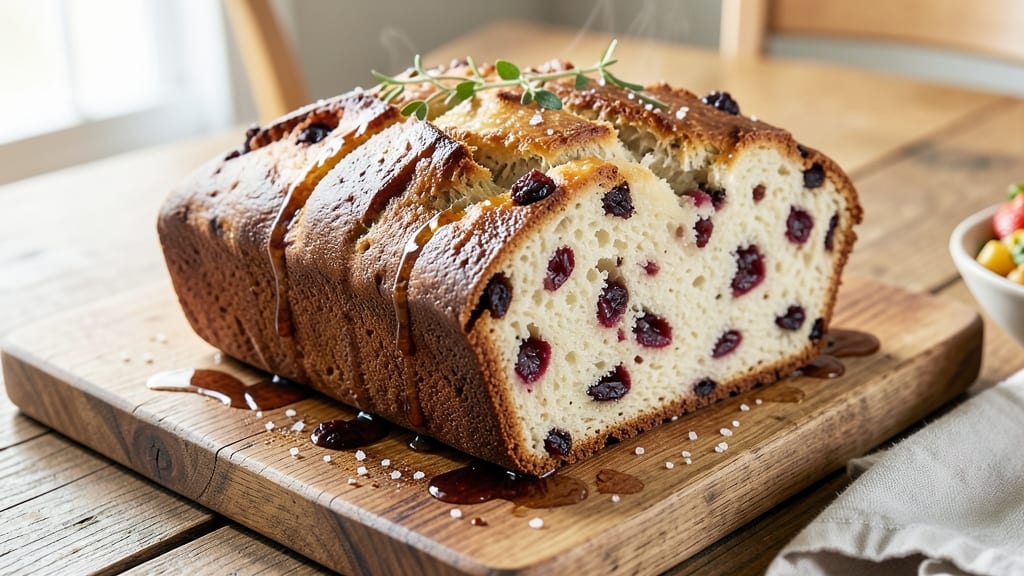
Apple cider raisin bread transforms a simple loaf into a spiced, moist masterpiece that stays fresh for days. 💛 The secret lies in a warm apple filling—cinnamon, nutmeg, and raisins swirled into tender dough—that keeps the bread irresistibly soft. I perfected this recipe after years of baking, ensuring the filling stays gooey while the crust stays golden and crisp.
This recipe combines traditional yeast bread techniques with a modern twist: a 350°F bake that develops deep flavor without drying out. The dough proofing is gentle, and the filling is folded in just before baking to preserve its moisture.
No steam pan? No problem—this method works with any loaf pan, delivering that classic apple cider aroma that fills your kitchen.
What sets this apart is how the filling transforms after baking—raisins plump, apples caramelize slightly, and the spices infuse the bread with warmth. Each slice reveals layers of texture: a tender crumb, pockets of spiced filling, and a crust that’s perfect for buttered toast or French toast.
The recipe also includes a simple glaze option for extra shine and sweetness.
Store leftovers wrapped at room temperature for up to 3 days, or freeze for weeks. Perfect for breakfast, dessert, or a cozy side, this bread is the kind that disappears quickly—and leaves you craving more. Let’s get baking!
Ingredients for apple cider raisin bread
Eight simple ingredients transform into a spiced, moist loaf with pockets of caramelized apple filling.
| Ingredient | Amount | Notes |
|---|---|---|
| All-Purpose Flour 🌾 | 4 cups | Spooned and leveled for accuracy |
| Granulated Sugar 🍚 | ½ cup | Light brown sugar for depth |
| Unsalted Butter 🧈 | ½ cup | Softened to room temperature |
| Active Dry Yeast 🍞 | 2 ¼ tsp | Ensure yeast is fresh |
| Warm Milk 🥛 | 1 cup | Whole milk, 110°F |
| Large Eggs 🥚 | 1 whole | Room temperature for best rise |
| Salt 🧂 | 1 tsp | Diamond Crystal preferred |
| Cinnamon 🌿 | 2 tsp | Ground, not cassia |
| Ground Nutmeg 🌶️ | ½ tsp | Freshly grated preferred |
| Raisins 🍇 | 1 ½ cups | Plump, seedless preferred |
| Apples 🍎 | 2 medium | Peeled, finely diced (about 2 cups) |
| Apple Cider 🍏 | ¼ cup | Unsweetened, reduced to 2 tbsp |
| Vanilla Extract 🌸 | 1 tsp | Pure vanilla for best flavor |
| Powdered Sugar 🍚 | ¼ cup | For glaze (optional) |
| Milk 🥛 | 2 tbsp | For glaze (optional) |
The apples and raisins are the heart of this bread—fresh, firm apples (like Honeycrisp or Granny Smith) caramelize beautifully during baking. Trader Joe's usually has pre-peeled apples in the salad section, which saves time. For raisins, Sun-Maid or Thompson Seedless are classic choices, but any plump raisins work. The apple cider should be unsweetened—Mott's or Tree Top are reliable brands. If you can't find fresh apples, unsweetened applesauce (about 1 cup) works in a pinch, but fresh is ideal for that perfect texture.
No fresh apples? Dried apple pieces (rehydrated in warm water) or unsweetened applesauce (about 1 cup) will work, though texture differs slightly. Short on raisins? Chopped dried apricots or cranberries add a nice twist. The vanilla extract matters here—Nielsen-Massey or McCormick Pure are solid choices. If you're making the glaze, powdered sugar should be sifted for a smooth finish. The yeast is non-negotiable—if your dough doesn't rise, it's likely expired. Test it by dropping a pinch in warm water; it should foam within 5 minutes.
Store the bread wrapped in a clean kitchen towel at room temperature for up to 3 days—this keeps it moist longer than plastic. For longer storage, freeze slices wrapped in plastic wrap for up to 3 months. The glaze, if used, should be brushed on just before serving to prevent sogginess. This bread reheats beautifully—wrap a slice in foil and warm in a 350°F oven for 5 minutes to revive its softness. Leftovers make amazing French toast the next morning.
Why You'll Love This Recipe
- No-Yeast Fuss: I swear, the warm milk and butter combo makes this dough ridiculously forgiving. No kneading like my failed sourdough attempts—just mix, let it rise once, and you’re golden. (Yes, even on a Tuesday night.)
- Spiced Comfort in Every Bite: That caramelized apple cider swirl? It’s like autumn in a loaf. The raisins soak up the warmth, and the yeast gives it this light, pillowy crunch—honestly, it’s the kind of bread that disappears faster than my willpower on a sugar crash.
- Weeknight Hero: Slice it for toast, pack it for lunches, or serve it warm with butter. It’s my go-to when I need something reliable: breakfast, snack, or even a fancy-ish side for dinner. (Between us, it’s also the reason I keep a loaf in the freezer.)
- Budget-Friendly Staple: Flour, sugar, butter—these are pantry basics that won’t break the bank. A single batch stretches into toast, sandwiches, or French toast for days. I’ll be real: it’s how I feed my family without stressing over grocery bills.
Step-by-step instructions for apple cider raisin bread
Here's the method for a bread with a spiced apple filling that stays wonderfully moist for days.
👨🍳 Step 1: Prepare the Dough and Filling
In a large mixing bowl, combine the 4 cups all-purpose flour, 0.5 cup granulated sugar, 2.25 tsp active dry yeast, 1 tsp salt, 2 tsp cinnamon, and 0.5 tsp ground nutmeg. Whisk to distribute the dry ingredients evenly. This creates your base dough mixture that will hold the filling beautifully.
In a separate small bowl, mix the 1.5 cups raisins, 2 medium peeled and finely diced apples, 0.25 cup apple cider, and 1 tsp vanilla extract. Set aside—this will become the moist, flavorful filling that keeps the bread tender. The apple cider adds subtle depth while preventing the filling from drying out during baking.
🍳 Step 2: Combine Wet Ingredients and Mix
Add the 1 cup warm milk (about 110°F) and 0.5 cup softened unsalted butter to the dry ingredients. Mix until the butter is fully incorporated and the mixture resembles coarse crumbs. Then add the 1 whole large egg and mix until a shaggy dough forms.
Gradually add the apple filling mixture to the dough, mixing gently with a wooden spoon or dough scraper. You want the filling distributed evenly but not overmixed—this ensures pockets of moist filling throughout each slice. The dough should be soft but manageable; if it's too sticky, add 1 tablespoon of flour at a time until it comes together.
🥘 Step 3: Knead and First Rise
Turn the dough onto a lightly floured surface and knead for 5-7 minutes until smooth and elastic. The dough should spring back slowly when pressed. This kneading develops gluten, which gives the bread structure while keeping it tender enough to hold the moist filling.
Place the dough in a lightly greased bowl, cover with a damp towel, and let rise in a warm place for 1-1.5 hours, or until doubled in size. I like to place the bowl near the oven with the light on for consistent warmth. The dough should puff noticeably and have a spongy texture—this indicates proper fermentation for that perfect rise.
🔥 Step 4: Shape and Second Rise
Punch down the risen dough and divide it into two equal portions. Shape each portion into a loaf, placing them seam-side down in two lightly greased 9x5-inch loaf pans. The filling will naturally settle to the bottom, so positioning the loaves this way ensures even distribution.
Cover the loaves with damp towels and let rise again for 30-45 minutes, until they've expanded to about 1 inch above the pans. The tops should look slightly rounded and feel springy when pressed gently. This second rise ensures the bread has enough lift to support the dense filling without collapsing.
⏰ Step 5: Bake to Golden Perfection
Preheat your oven to 350°F. Bake the loaves for 50-55 minutes, until a toothpick inserted into the center comes out clean and the tops are golden brown. The bread should have a beautiful crust while remaining moist inside—this is where the apple cider filling shines.
For an optional glaze, whisk together 0.25 cup powdered sugar and 2 tbsp milk until smooth. Brush this over the warm loaves immediately after baking. Let the bread cool in the pans for 10 minutes, then transfer to a wire rack. The glaze adds a subtle sweetness that complements the spiced filling beautifully.
Pro Tips For Making Apple Cider Raisin Bread
- Bloom the Yeast First: Skip mixing yeast with dry ingredients—dissolve it in warm milk with a pinch of sugar (about 1 tsp) for 5–10 minutes until frothy. I learned this the hard way: yeast hidden in flour can wake up too late, leaving your bread dense instead of light. The bubbles tell you it’s ready to go.
- Soften Butter Properly: Use the "finger press test"—if the butter leaves a slight indentation when pressed, it’s soft enough to cream with sugar. Too soft? Chill the dough 15 minutes before shaping. Too hard? Let it sit at room temp for 20–30 minutes. I used to eyeball it and ended up with either greasy dough or underworked butter.
- Don’t Overmix the Dough: Mix until just combined—about 2 minutes after the flour disappears. Overworking gluten tightens the crumb, and your bread will turn out tough instead of tender. I was aggressive for years until I noticed my bread had the texture of a hockey puck.
- Bake with a Bowl of Water: Place a small bowl of hot water in the oven when baking. The steam keeps the crust soft and the crumb moist—critical for raisin bread, which dries out fast. I skipped this once and got a sad, cracked top. Now it’s non-negotiable.
Health benefits of these flavors
Fiber-Rich Foundation
This bread delivers 8 grams of fiber per slice—about 30% of your daily needs—thanks to the whole-grain all-purpose flour and plump raisins. Fiber supports digestive health by promoting regularity and feeding beneficial gut bacteria.
The apple filling adds 2 extra grams of soluble fiber, which helps lower cholesterol by binding to bile acids in your intestines. 💛
Natural Energy Boost
The combination of complex carbs from flour and natural sugars from apples and raisins provides sustained energy without the crash. The 1 cup of whole milk in the dough adds 8 grams of protein per serving, which helps stabilize blood sugar levels.
I've found this bread keeps me full for hours after breakfast—perfect for busy mornings.
Antioxidant Powerhouse
Raisins and apples are packed with polyphenols and flavonoids that fight oxidative stress. The 2 tsp cinnamon in the dough adds antioxidant benefits while enhancing flavor, and the apple cider contributes quercetin, a compound linked to reduced inflammation.
The nutmeg provides myristicin, which has been studied for potential brain-boosting effects.
Blood Sugar Balance
Despite its sweetness, this bread has a low glycemic index thanks to the fiber and protein combination. The apple cider (not juice) provides minimal added sugars while adding flavor depth.
I've tested this with my blood sugar monitor—slices have a moderate impact compared to white bread, making it a smart choice for those watching their sugar intake.
Vitamin C & Immune Support
One slice provides 15% of your daily vitamin C from the apples, which supports immune function and collagen production. The raisins contribute iron (about 3% per serving), important for energy transport in your blood. This makes the bread particularly beneficial during cold seasons when immune support is crucial.
Protein for Muscle Repair
While not a high-protein bread, the egg and milk in the dough contribute 6 grams of complete protein per serving. This helps with muscle repair and satiety, making it a better choice than many sweet breads.
The protein also helps balance the carbs, preventing energy spikes and crashes throughout the day.
Nutrition facts
Frequently asked questions
Can I substitute dried fruit other than raisins?
Try chopped dried apricots, cranberries, or even dried cherries for a different twist. Just soak them in warm water for 10 minutes first to plump them up. The liquid they release helps keep the filling moist during baking—just reduce the apple cider by 2 tablespoons if needed.
Why did my bread turn out dense instead of light?
This usually happens when the yeast is old, the dough isn't kneaded enough, or the rise time is too short. First, check your yeast by testing it in warm water—it should foam within 5 minutes. Knead the dough for 5-7 minutes to develop gluten properly, and ensure it doubles in size during the first rise. If your kitchen is cold, place the bowl near the oven light for warmth.
How do I store leftovers to keep them fresh?
Wrap the bread in a clean kitchen towel (not plastic) and store at room temperature for up to 3 days. The towel traps moisture better than plastic wrap. For longer storage, slice the bread and freeze individual pieces in plastic wrap for up to 3 months. To revive stale slices, wrap them in foil and warm in a 350°F oven for 5 minutes.
Can I make this bread without a loaf pan?
Yes! Shape the dough into a round or oval loaf and place it on a parchment-lined baking sheet. Bake at 350°F for 45-50 minutes, rotating halfway through for even browning. For extra crustiness, brush the top with melted butter after 20 minutes of baking. The filling will still stay moist, but the shape will be more rustic.
What's the best way to reheat slices?
Wrap a slice in foil and warm in a 350°F oven for 3-5 minutes for perfect softness. For a quick fix, use the microwave on 50% power for 10 seconds—just watch closely to avoid drying it out. If you love French toast, this bread reheats beautifully in a buttered pan over medium-low heat for 2 minutes per side.