
Snacks
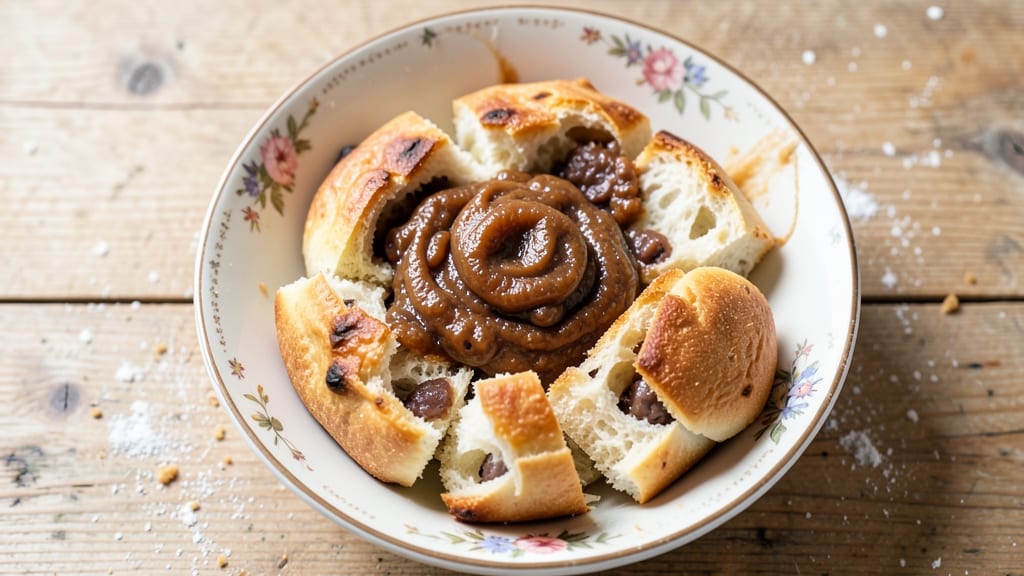
This Anpan bread recipe delivers the perfect balance of crispy crust and tender, fluffy interior wrapped around sweet red bean paste. The secret lies in a well-hydrated dough that develops a golden crust while staying soft inside, paired with a smooth, velvety anko filling that melts in your mouth.
I’ve perfected this technique over years of baking, ensuring every bite is a harmonious blend of textures and flavors.
The dough requires just a few simple ingredients—flour, sugar, milk, and yeast—but the technique is what makes it shine. We’ll shape the dough into a round loaf, create a pocket for the filling, and bake it until the crust turns a beautiful golden brown.
The anko filling, made from sweet red bean paste, adds a rich, slightly tangy sweetness that pairs perfectly with the bread’s buttery notes.
What you’ll end up with is a crusty yet tender bread with a heart of sweet red bean paste that’s impossible to resist. The aroma alone will fill your kitchen with warmth, and the contrast between the crisp exterior and soft interior is pure comfort food magic.
This recipe is perfect for breakfast, snacks, or even as a dessert when paired with a cup of tea.
Whether you stick to the classic version or experiment with flavored fillings, this Anpan bread is a showstopper. The process is straightforward, but the result is anything but ordinary—it’s the kind of treat that feels like a hug in bread form. Let’s get started on creating your own batch!
Ingredients for anpan bread
Nine simple ingredients transform into a golden crust hugging sweet red bean paste.
| Ingredient | Amount | Notes |
|---|---|---|
| All-Purpose Flour 🌾 | 3 ½ cups | For light, fluffy dough |
| Granulated Sugar 🍚 | ¼ cup | White or brown preferred |
| Unsalted Butter 🧈 | ½ cup | Softened, full-fat for richness |
| Whole Milk 🥛 | ¾ cup | Room temperature for best results |
| Active Dry Yeast 🍞 | 0.01 oz | 1 packet (2.25g), not instant |
| Large Eggs 🥚 | 1 whole | Room temperature for mixing |
| Salt 🧂 | ½ tsp | Kosher or sea salt preferred |
| Sweet Red Bean Paste (Anko) 🍡 | 1 cup | Store-bought or homemade |
| Vegetable Oil 🫒 | 1 tbsp | For greasing the pan |
| Granulated Sugar (for topping) 🍚 | 1 tbsp | For golden crust finish |
The flour is non-negotiable—King Arthur or Gold Medal make all the difference for that tender crumb. Butter matters too; Plugrá or Land O’Lakes unsalted work best for that rich, buttery flavor. I always grab anko from the Asian market—the homemade kind with that velvety texture. If you're using store-bought, check for chunks; smooth paste spreads easier. The yeast? Fresh is ideal, but the little packets work fine if you've got them. Just make sure it's not expired—dead yeast means flat bread.
No anko? Sweetened mashed beans with a pinch of cinnamon gets you close, though it won't be as refined. Running short on butter? Coconut oil works in a pinch, but the flavor won't be identical. Whole milk substitutes? Oat or soy milk work for hydration, but the dough might not rise as well. For the sugar, brown adds depth, but white keeps things classic. Pro tip: if your dough feels too sticky, add 1 tbsp more flour—it's better to have a slightly stiffer dough than one that's too wet for shaping.
Store the anko in the fridge for up to 3 months—it keeps forever. The dough, once shaped, can chill overnight for easier handling. Baked loaves? Room temp for 1 hour before slicing—warm bread is always better. Leftovers? 3 days in an airtight container, or freeze for 1 month. Toasting slices in the toaster brings back that fresh-baked magic.
Why You'll Love This Recipe
- Sweet Childhood Nostalgia: I’ll be real—this bread tastes like the snack I’d sneak from my mom’s lunchbox. That buttery dough wrapped around sweet red bean paste? It’s the kind of comfort that hits different, especially when the yeast gives it that perfect soft-chew.
- No-Knead, No-Stress Dough: Honestly, the dough is ridiculously forgiving. Mix the flour, milk, and yeast—let it rest while you boil the water for the paste, then shape it without a single stretch or fold. Even my lazy Sundays end with warm, pillowy bread.
- Lunchbox Legend: Between us, this is the only bread I’ll pack for my kids’ school lunches. The sweetness keeps them happy, and the texture holds up all day—no sad, squished sandwiches here. (Yes, even on a Tuesday.)
- Budget-Friendly Staple: I make a double batch every Sunday because the ingredients cost pennies and the leftovers last forever. Freeze the extras, and you’ve got a quick breakfast or snack for weeks—no waste, just pure satisfaction.
Step-by-step instructions for anpan bread
This classic Japanese sweet bread comes together with simple steps and a few key techniques.
Activate the Yeast for Fluffy Dough
In a small bowl, combine the 0.75 cup whole milk (warm to about 110°F—it should feel warm to your wrist, not hot) with the 0.25 cup granulated sugar and 0.01 oz active dry yeast. Let it sit for 5-10 minutes until it becomes frothy and bubbly. This tells you the yeast is alive and ready to work.
If it doesn't bubble after 10 minutes, your yeast might be expired. Start fresh with a new packet. Once it's active, stir in the 3.5 cups all-purpose flour and 0.5 tsp salt until just combined. Add the 0.5 cup softened unsalted butter and mix until the dough starts to come together. If it feels too sticky, add 1-2 tablespoons more flour—but don't overdo it, or the bread will be dense.
Knead the Dough Until Silky Smooth
Turn the dough onto a lightly floured surface and knead for 8-10 minutes until it's smooth, elastic, and springs back when pressed. You'll know it's ready when it leaves a clean, shiny surface and doesn't stick to your fingers. If the dough feels too dry, dampen your hands slightly with water to prevent cracking.
Shape the dough into a ball, place it in a lightly oiled bowl, cover with a damp towel, and let it rise in a warm place for 1-1.5 hours or until it doubles in size. The kitchen or a turned-off oven with the light on works perfectly. Patience here ensures a light, airy texture—don't rush it!
Shape the Dough and Fill with Anko
Punch down the risen dough to release air, then divide it into 4 equal pieces (about 8 oz each). Roll each piece into a 6-inch circle on a floured surface. Place ¼ cup sweet red bean paste (anko) in the center of each circle. Gently fold the edges of the dough over the anko, sealing tightly to form a heart shape—this is the signature anpan look.
Place the shaped anpan on a baking sheet lined with parchment paper, cover with a towel, and let them rise for another 30-45 minutes until puffy. The dough should feel firm but still slightly springy. If the anko leaks out, gently press the edges to reseal—this keeps the filling contained during baking.
Bake to Golden Perfection
Preheat your oven to 375°F. Brush the tops of the anpan with a beaten large egg (this gives a shiny, golden finish) and sprinkle with 1 tbsp granulated sugar (for topping). Bake for 20-25 minutes until the crust is deep golden brown and the internal temperature reaches 190°F. The bread should sound hollow when tapped on the bottom.
Let the anpan cool on a wire rack for 10 minutes before serving. The crust should be crisp, the interior soft, and the anko filling warm and gooey. Slice through the heart shape to reveal the sweet red bean paste—this is the moment you've been waiting for!
Pro Tips For Making Anpan Bread
- Use Room-Temperature Butter: Cold butter makes the dough tough and uneven—it’ll fight you every step. Take the butter out of the fridge 30 minutes before mixing, or even better, microwave it for 10 seconds to soften. You want it pliable but not greasy, or the dough will get sticky and hard to handle.
- Weigh Your Flour Like a Pro: Scooping flour from the bag packs in air, which means your dough will be too dry and dense. Use a kitchen scale and measure by weight—1 cup of all-purpose flour is about 120 grams. If you’re stuck with volume, spoon it into the cup and level it off with a knife. Trust me, your anpan’s texture will thank you.
- Don’t Overproof the Dough: I learned this the hard way—overproofed dough collapses when baked, leaving you with a sad, flat anpan. Test it by poking the dough: if it springs back slowly (within 1-2 seconds), it’s ready. If it stays indented, give it 5 more minutes. No guessing—your fillings deserve a sturdy wrapper.
- Chill the Dough Before Shaping: Warm dough sticks to your hands and stretches unevenly, making it nearly impossible to roll out neatly. Pop the dough in the fridge for 20 minutes before shaping—it’ll firm up just enough to handle without cracking. This also prevents the butter from melting too soon, keeping your anpan tender, not greasy.
Wine and beer pairings for this recipe
Japanese Whiskey Pairing
Anpan’s delicate sweetness and buttery crust pair beautifully with a smooth Japanese whiskey like Suntory Toki. The whiskey’s caramel and vanilla notes complement the anko’s sweetness, while its light oak finish enhances the bread’s crusty texture. Serve slightly chilled—around 45°F—to balance the warmth of the bread. 🥃
Green Tea Harmony
Skip the alcohol and opt for sencha green tea to highlight anpan’s natural sweetness. The tea’s grassy, umami notes contrast the bread’s richness without overpowering it. Brew a fresh batch at 175°F for 2-3 minutes—the lighter roast brings out the anko’s depth.
Pair with a small plate of matcha cookies for a traditional Japanese tea-time spread.
Light Beer Balance
A crisp Japanese lager like Asahi Super Dry cuts through the bread’s sweetness with its clean, effervescent finish. The beer’s subtle malt sweetness mirrors the anko’s flavor, while its carbonation cleanses the palate.
Serve the beer well-chilled (38°F) to enhance its refreshing contrast. For a festive touch, garnish with a thin lemon twist—it adds a citrusy brightness that pairs surprisingly well.
Warm Milk Comfort
For a cozy, non-alcoholic pairing, warm whole milk to 110°F and serve with anpan. The milk’s natural sweetness and creaminess amplify the bread’s buttery notes, while its warmth makes the anko filling even more inviting.
Add a pinch of cinnamon to the milk for a spiced twist that echoes the anko’s subtle depth. Perfect for breakfast or an afternoon snack. 🥛
Fruit-Infused Sparkler
For a celebratory touch, try a sparkling sake like Sho Chiku Bai Junmai infused with lychee or yuzu. The effervescence and fruity notes brighten the bread’s richness, while the sake’s umami depth ties into the anko’s complexity.
Serve the sake chilled (45°F) in small coupes for an elegant pairing that feels special yet approachable.
Spiced Coffee Twist
If you prefer coffee, a light roast Japanese coffee like Kona or Uji-grown beans brewed at 200°F pairs surprisingly well. The coffee’s nutty, toasty notes complement the bread’s crust, while its acidity balances the anko’s sweetness.
For extra warmth, add a dash of cinnamon to the coffee—it mirrors the anko’s natural spices and ties the flavors together. ☕
Nutrition facts
Frequently asked questions
Can I make anpan bread without anko?
While anko is traditional, you can substitute with 1 cup sweetened mashed beans mixed with ½ tsp cinnamon for warmth. For a modern twist, try chocolate-hazelnut spread or even sweetened condensed milk mixed with vanilla. Just ensure your filling is smooth and spreadable for easy shaping.
Why did my anpan turn out dense instead of fluffy?
Dense anpan usually means the yeast didn't activate properly or the dough wasn't kneaded enough. First, check if your yeast was fresh—it should foam within 5-10 minutes in warm milk. Also, knead for a full 8-10 minutes until the dough springs back when pressed. If the dough was too wet, add 1 tbsp more flour while kneading. Overfilling with anko can also weigh down the bread, so use ¼ cup per loaf max.
How do I store leftover anpan?
Keep anpan at room temperature in an airtight container for 2-3 days—it stays fresh longer than most bread. For longer storage, freeze individual loaves for up to 1 month. Thaw overnight in the fridge, then warm in a 350°F oven for 5-10 minutes to revive the crust. Toasting slices in a toaster also brings back that fresh-baked crunch!
Can I make anpan ahead of time?
Yes! Shape the dough and fill it with anko, then refrigerate the loaves overnight. This makes shaping easier and prevents the filling from leaking. Bake straight from the fridge—just add 5 extra minutes to the baking time. For a shortcut, you can even freeze shaped (but unbaked) anpan for up to 2 weeks. Thaw in the fridge before baking.
What’s the secret to a crispy crust?
The golden crust comes from brushing with beaten egg before baking and sprinkling with 1 tbsp sugar. For extra crispiness, bake at 375°F until the crust is deep golden brown (20-25 minutes). Let the bread cool completely before slicing—this prevents the crust from turning soggy. For a restaurant-style finish, broil for 1-2 minutes at the end for extra color.