
Side Dishes
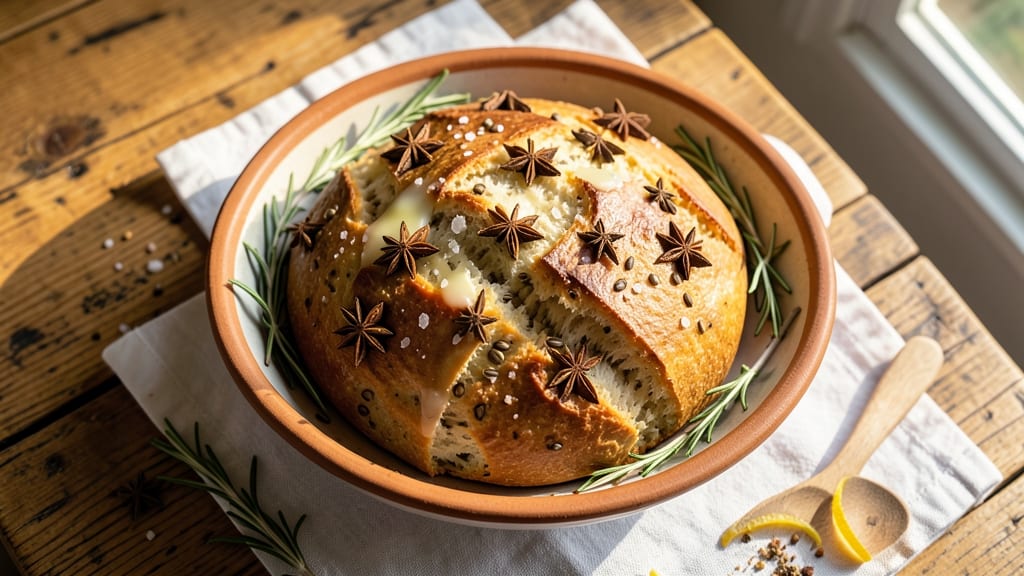
This aniseed bread recipe delivers the perfect balance of aromatic crust and tender interior, a staple in Mediterranean bakeries. The subtle licorice notes from star anise seeds create a complex flavor profile that pairs beautifully with both savory and sweet toppings.
Professional bakers swear by this technique for achieving consistent results every time.
What sets this recipe apart is the careful ratio of flour, yeast, and aniseed that develops deep flavor during the slow fermentation process. The dough requires precise kneading and proofing to achieve that signature pillowy texture, while baking at just the right temperature ensures a golden, crackly crust.
This traditional method yields bread that's both rustic and elegant.
The result is a loaf with a crisp exterior that gives way to soft, airy crumbs infused with anise's distinctive warmth. Perfect for serving alongside soups, charcuterie boards, or as a base for sweet sandwiches, this bread becomes the star of any meal.
The aroma alone will transform your kitchen into a bakery.
For those who prefer modern variations, you can easily adapt this recipe by adding honey for sweetness or herbs for extra complexity. The key lies in mastering the dough preparation and baking technique—once you do, you'll never go back to store-bought. Let's get started on creating your perfect loaf.
Ingredients for aniseed bread
The secret to this aromatic loaf lies in its star-studded dough and slow fermentation process.
| Ingredient | Amount | Notes |
|---|---|---|
| All-Purpose Flour 🌾 | 4 cups | High-protein for chewy texture |
| Active Dry Yeast 🍞 | ¼ oz | Or 2.5 tsps, fresh preferred |
| Granulated Sugar 🍚 | 1 tbsp | Feeds yeast for faster rise |
| Star Anise Seeds 🌿 | 1 tbsp | Crushed lightly for flavor |
| Anise Seeds 🌿 | 1 tbsp | Whole seeds for texture |
| Salt 🧂 | 1 ½ tsp | Diamond Crystal preferred |
| Unsalted Butter 🧈 | ½ cup | Cold, cubed for dough |
| Warm Water 💧 | 1 ¼ cups | 110°F for yeast activation |
| Large Egg 🥚 | 1 whole | Room temperature for binding |
| Sesame Seeds 🌱 | 1 tbsp | For crust decoration |
| Coarse Sea Salt 🧂 | 1 tsp | For final sprinkle |
| Cornmeal 🌽 | ¼ cup | For dusting baking sheet |
Star anise and anise seeds are the soul of this bread—buy whole pods at Indian or Mediterranean markets for the freshest flavor. Penzeys Spices carries excellent quality if you can't find them locally. Crush the star anise lightly with a mortar and pestle (no need to pulverize) to release those deep licorice notes without turning bitter. The yeast needs to be fresh—check the expiration date and use within 3 months of opening. For the flour, King Arthur or Gold Medal brands work best—their higher protein content gives that perfect chewy texture. Keep everything cold until mixing to prevent the yeast from activating too soon.
No star anise? Fennel seeds at half the amount give a similar anise-like flavor, though not identical. Running short on anise seeds? Substitute with 1 tsp ground anise but toast it first in a dry pan for 30 seconds to deepen the flavor. Diamond Crystal kosher salt is ideal, but if you've only got table salt, use half the amount—it's finer and more concentrated. The butter should be cold but not rock-hard—cut it into small cubes and let it sit at room temp for 10 minutes before mixing. For the water, 110°F is perfect—too hot kills the yeast, too cold slows activation. Use an instant-read thermometer if you're unsure.
This dough is a beast—it needs time to develop flavor. Let it rise overnight in the fridge for maximum depth. The sesame seeds should be toasted lightly in a dry pan for 1-2 minutes before sprinkling to bring out their nutty aroma. Store any leftovers wrapped tightly in a bread bag at room temperature for 3 days, or freeze slices for up to 3 months. To revive stale bread, wrap it in a damp towel and microwave for 20 seconds—it'll be fresh again. The crust stays crisp for about 2 hours after baking, so slice it while it's still warm for the best texture.
Why You'll Love This Recipe
- No-Knead Magic: I swear by this—just mix, let it rise, and bake. The yeast does all the work while I sip coffee, and that warm crust? Worth the wait.
- Licorice-Like Love: Honestly, the star anise and anise seeds give it this deep, aromatic sweetness that’s not too overpowering. It’s like a cozy hug in bread form.
- Breakfast or Snack Star: I make a loaf on Sundays and toast slices for breakfast, pack them for lunch, or serve them with dinner—no one turns them down. (Yes, even my picky kid.)
- Budget-Friendly Staple: Flour, yeast, and a handful of seeds? This bread costs next to nothing to make but feels like a treat. Leftovers? Toast them or freeze them—always a win.
Step-by-step instructions for aniseed bread
This aniseed bread delivers a perfect balance of crispy crust and airy interior—here's how to make it shine.
Activate the Yeast for Maximum Rise
In a small bowl, combine the 1.25 cups warm water (between 105°F-110°F) with the 1 tbsp granulated sugar and 0.25 oz active dry yeast. Let it sit for 5-10 minutes until it becomes frothy and bubbly. This confirms your yeast is alive and ready to work its magic.
If it doesn't bubble, your yeast might be dead—start fresh with new yeast. The sugar helps activate it faster, and the warm water prevents killing those little yeast cells. Once it's bubbly, we're ready for the next step—this is where the flavor journey begins.
Mix the Dough Until Silky Smooth
In a large mixing bowl, whisk together the 4 cups all-purpose flour, 1.5 tsp salt, 1 tbsp star anise seeds (lightly crushed), and 1 tbsp whole anise seeds. Make a well in the center and pour in the yeast mixture along with the 0.5 cup cold cubed butter and 1 whole egg.
Using a wooden spoon or dough whisk, mix until a shaggy dough forms. Then switch to your hands and knead for 8-10 minutes on a lightly floured surface until smooth and elastic. The dough should spring back when poked—this means proper gluten development for that perfect chewy texture.
Let the Dough Rise Until Doubled
Place the dough in a lightly greased bowl, cover with a damp towel, and let it rise in a warm place for 1-2 hours until it's doubled in size. You'll know it's ready when it puffs up noticeably and leaves an indentation when gently pressed with a finger.
I like to place my bowl near a slightly warm oven (with the light on) for consistent rising. The warm environment helps the yeast work efficiently. If your kitchen is cold, this step might take longer—don't rush it. Patience here ensures that pillowy texture we're after.
Shape and Second Rise for Perfect Texture
Punch down the risen dough to release air, then turn it out onto a lightly floured surface. Shape it into a round loaf about 8 inches in diameter. Place it seam-side up in a greased 9-inch loaf pan, cover, and let it rise again for 30-45 minutes until it's just above the pan rim.
This second rise is crucial—it gives the bread its final structure. The dough should be springy to the touch but still soft. If it springs back too quickly, it needs more time. The edges should be rounded and smooth, not flat or collapsed.
Bake to Golden Perfection with Crispy Crust
Preheat your oven to 375°F. Sprinkle the bottom of the pan with 0.25 cup cornmeal and brush the top of the dough with water. Sprinkle 1 tbsp sesame seeds and 1 tsp coarse sea salt evenly over the top. Bake for 30-35 minutes until golden brown and the internal temperature reaches 190°F.
Here's the thing—don't open the oven during baking. The steam is what creates that beautiful crust. When it's done, you'll hear a hollow sound when you tap the bottom. Let it cool in the pan for 10 minutes before transferring to a wire rack. The crust should be crispy and fragrant with anise notes, while the interior remains soft and pillowy.
Pro Tips For Making Aniseed Bread
- CRUSH THE SEEDS: I learned this the hard way—whole star anise and anise seeds don’t infuse like you’d hope. Lightly crush them with a rolling pin or mortar before mixing into the dough. You’ll taste the difference, especially near the crust where the flavor concentrates.
- WEIGH YOUR FLOUR: That "cup of flour" in your measuring cup isn’t fooling anyone. Aniseed bread is dense—packing flour too loosely or compressing it changes hydration. Use a kitchen scale for accuracy, especially if you’re substituting whole wheat or adding extra seeds.
- LET IT RISE TWICE: Skipping the second rise is how you end up with dense, flavorless bread. After shaping, let the dough rise again (30-60 minutes) before baking—this develops the anise aroma and ensures a light crumb. (Yes, even if you’re impatient like me.)
- STEAM THE FIRST 10 MINUTES: Aniseed bread loves moisture. Place a metal tray with boiling water in the oven when you start baking, then remove it after 10 minutes. This prevents the crust from setting too fast, letting the anise flavors bloom deeper in the loaf.
Troubleshooting this dish
Dense Dough Issues
If your dough feels too sticky or dense after kneading, you might need more flour—but don’t overdo it. I’ve found that adding just 1-2 tablespoons at a time while kneading helps. The goal is a smooth, elastic dough that springs back when poked.
If it still feels heavy, your yeast may need more time to activate. Try letting the dough rise in a slightly warmer spot (like near the oven with the light on) for 10-15 extra minutes before shaping. 💡
Flat or Under-Risen Loaf
A flat loaf usually means the yeast didn’t work properly or the dough didn’t rise long enough. First, check your yeast—it should bubble vigorously within 5-10 minutes when mixed with warm water. If it didn’t, your yeast is dead, and you’ll need fresh.
For future bakes, let the dough rise until it’s just above the pan rim—this ensures a light, airy texture. If your kitchen is cold, extend the rise time by 30-60 minutes or use a proofing box for consistent warmth.
Bitter or Harsh Anise Flavor
Over-crushing the star anise or using too much can turn your bread bitter. Lightly crush the star anise with a mortar and pestle—just enough to release the aroma without pulverizing it. Stick to the 1 tbsp measurement for both star anise and whole anise seeds.
If you’re using store-bought ground anise, toast it lightly in a dry pan for 30 seconds to mellow its intensity. Freshness matters too—buy whole star anise pods from a specialty spice shop like Penzeys for the best flavor.
Pale or Soggy Crust
A pale crust often means the oven wasn’t hot enough or the dough lacked steam. Preheat your oven to 375°F for at least 20 minutes before baking. For extra crispiness, brush the dough with water before sprinkling sesame seeds—this creates steam during baking.
If your kitchen is dry, place a tray of boiling water in the oven for the first 10 minutes of baking. The crust should be golden and fragrant with anise notes when done. Let it cool in the pan for 10 minutes before slicing to trap moisture.
Uneven Browning
Uneven browning happens when heat isn’t distributed evenly. Rotate your pan halfway through baking for consistent color. If one side browns too quickly, tent the loaf loosely with aluminum foil. For a more even crust, bake on the middle rack—this prevents the top from over-browning while the bottom stays pale.
If your oven runs hot, reduce the temperature to 350°F and add 5-10 extra minutes to the bake time. A digital thermometer helps—aim for an internal temp of 190°F.
Dry or Crumbly Texture
Over-kneading or over-baking can make bread dry. Knead just until the dough is smooth and elastic—8-10 minutes should do it. For baking, pull it out when the internal temp hits 190°F, even if it doesn’t look fully browned.
If your dough feels too dry during mixing, add 1 tablespoon of warm water at a time until it comes together. For extra moisture, brush the baked loaf with melted butter while still warm. Store leftovers in an airtight container to keep them fresh longer.
Nutrition facts
Frequently asked questions
Can I substitute anise seeds for star anise in this recipe?
You can use both for maximum flavor, but whole anise seeds alone will give a milder taste. For a 1:1 substitution, lightly crush 1.5 tablespoons of whole anise seeds to release their aroma. If using ground anise, reduce to 1 teaspoon and toast it briefly in a dry pan first to prevent bitterness. Star anise adds depth—don't skip it if possible!
How do I store aniseed bread to keep it fresh?
Wrap the cooled loaf tightly in plastic wrap or place it in an airtight container. Store at room temperature for 3 days or freeze slices for up to 3 months. For extra freshness, brush warm slices with melted butter. To revive stale bread, wrap it in a damp towel and microwave for 20 seconds—it'll taste fresh again!
What's the best way to serve this bread?
This aromatic loaf shines with Mediterranean meals! Try it with olive oil and balsamic vinegar for dipping, or use as a base for sweet sandwiches with honey and figs. The crisp crust pairs perfectly with creamy cheeses like ricotta or sharp cheddar. For a savory twist, serve alongside grilled meats or roasted vegetables. Warm slices make amazing toast!
Why does my dough smell so strong?
The intense aroma comes from the anise seeds and star anise—this is normal and actually means your bread is developing great flavor! The smell will mellow as it bakes. For less overpowering scent, reduce the anise seeds to 0.5 tablespoon but keep the star anise. If the smell bothers you, try adding 1 teaspoon of dried herbs like thyme or rosemary to balance the anise notes.
Can I make this bread without a loaf pan?
Shape the dough into a free-form round loaf and bake it on a parchment-lined baking sheet. Brush with water before baking for a crispier crust. Bake at 375°F for 25-30 minutes, rotating the pan halfway. For extra crustiness, sprinkle sesame seeds on top before baking. The texture will be slightly different but still delicious!