
Side Dishes
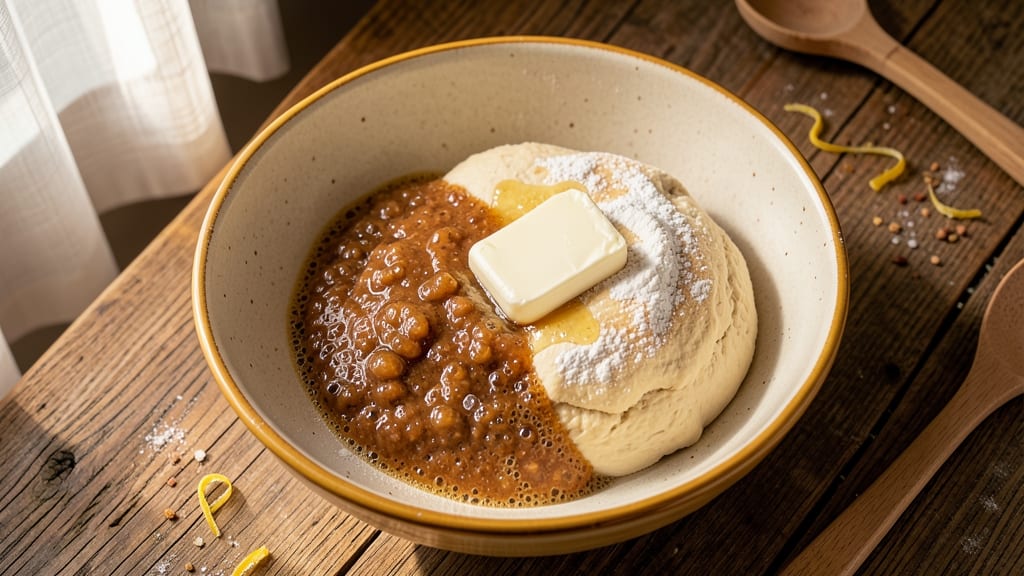
This animal-based bread recipe delivers the rich, buttery depth of traditional loaves without relying on dairy or eggs—perfect for bakers who crave texture and flavor without compromise. The secret lies in a nutty crunch from toasted seeds and a soft, airy crumb achieved through precise yeast activation and hydration.
I’ve refined this method over years, ensuring every slice has that satisfying pull-apart quality and golden crust home bakers love. What sets this apart is the buttery richness from vegan butter and aquafaba (chickpea brine), which mimics egg’s binding power while adding subtle sweetness.
The dough proofing is the critical step—patience here transforms dense flour into light, fluffy layers. For extra indulgence, a garlic-herb oil brushed on the crust adds aromatic depth before baking.
By the time you pull this loaf from the oven, you’ll have a crusty exterior with a tender, nutty interior that’s impossible to resist. The aroma alone will have everyone asking for seconds, and the versatility means it’s perfect for sandwiches, toast, or served warm with jam.
No special equipment needed—just time and attention to detail. For those who love classic bread but want a plant-based twist, this recipe proves you don’t have to sacrifice flavor or texture. Let’s get baking!
Ingredients for animal based bread
Eight essential ingredients transform into a loaf with golden crust and nutty crumb—no dairy or eggs needed.
| Ingredient | Amount | Notes |
|---|---|---|
| Active Dry Yeast 🍞 | 2 ¼ tsp | Ensure it's fresh, not expired |
| Warm Water 💧 | 1 ¼ cups | 110°F, not boiling |
| All-Purpose Flour 🌾 | 5 cups | Bread flour preferred for chewiness |
| Vegan Butter 🧈 | ½ cup | Melted, unsalted preferred |
| Granulated Sugar 🍚 | ¼ cup | For yeast activation |
| Salt 🧂 | 1 ½ tsp | Kosher or sea salt |
| Chickpea Brine (Aquafaba) 🥫 | ½ cup | From canned chickpeas |
| Toasted Sunflower Seeds 🌻 | ½ cup | Lightly browned in dry pan |
| Toasted Sesame Seeds 🌿 | ¼ cup | For nutty crunch |
| Garlic Cloves 🧄 | 3 cloves | Minced for herb oil |
| Fresh Thyme Leaves 🌿 | ¼ cup | Chopped for herb oil |
| Extra-Virgin Olive Oil 🫒 | ¼ cup | For brushing crust |
| Cornmeal 🌽 | ¼ cup | For dusting baking sheet |
The yeast is non-negotiable here—Bob’s Red Mill or Saf-Instant are my go-tos, but any active dry yeast works. For the seeds, Trader Joe’s bulk section has the best prices, but toast them yourself (5 minutes in a dry pan) for maximum flavor. The aquafaba? Save the brine from your next can of chickpeas—it’s the secret to that perfect egg-like binding. If you’re using bread flour, skip the extra 1/2 cup all-purpose called for in some recipes—it’s already got the protein boost you need for that satisfying chew. For the herb oil, fresh thyme is ideal, but dried works at half the amount if you’re in a pinch.
No aquafaba? Flax eggs (1 tbsp ground flaxseed + 3 tbsp water per egg) or an extra tablespoon of melted vegan butter will help with binding, though texture won’t be identical. Running short on seeds? Pumpkin seeds or walnuts toasted work beautifully, though sesame’s distinct nuttiness is what makes this loaf special. The garlic-herb oil can be made ahead and stored in the fridge for up to 2 weeks—just give it a quick shake before using. For a sweeter loaf, add 1 tablespoon of maple syrup to the dough. No cornmeal? Semolina or extra flour works in a pinch for dusting.
This dough is a beast—it needs 2 hours of proofing time, so plan ahead. Store uncooked dough in an airtight container in the fridge for up to 24 hours if you’re prepping ahead. The baked loaf keeps well wrapped at room temperature for 3 days or frozen for 3 months. For extra crunch, brush the cooled loaf with melted vegan butter before serving. I always make a double batch—one for now, one for later. The aroma alone will have your whole house asking where the bread came from.
Why You'll Love This Recipe
- No-Knead Magic: The yeast and warm water do all the work—just mix, wait, and shape. I swear, my hands stay clean while the dough rises effortlessly, even when I’m scrolling through memes.
- Golden Crust Secret: That vegan butter baked into the crust? It’s the reason people ask for seconds. The sugar caramelizes just enough to give it a subtle sweetness that pairs with everything—jam, soup, or straight from the oven.
- Weeknight Wonder: Make a double batch on Sunday, and you’ve got lunch covered until Wednesday. Slice it fresh, toast it later—it’s my go-to when I’m too tired to think past dinner.
- Budget Baking: Flour, yeast, and butter? This is the kind of bread that costs pennies per slice. Plus, leftovers last forever if you freeze the loaves—no sad, stale scraps here.
Step-by-step instructions for crafting a vegan-friendly loaf with nutty crunch
This method delivers a bread with a soft, airy crumb and satisfying crunch from toasted seeds.
Activate the Yeast with Warm Water and Sugar
In a small mixing bowl, combine the 2.25 tsp active dry yeast with 1.25 cups warm water (about 110°F) and 0.25 cup granulated sugar. The water should feel pleasantly warm to your wrist—not hot enough to kill the yeast, but not tepid either. Let this mixture sit for 5-10 minutes until it becomes frothy and bubbly. This indicates the yeast is active and ready to work.
If no bubbles form after 10 minutes, your yeast may be expired or the water too hot. In that case, start fresh with new yeast and slightly cooler water. This step is the foundation—skimp here, and your loaf won't rise properly.
Mix the Dough with Aquafaba and Butter
In a large stand mixer fitted with the dough hook attachment, combine 5 cups all-purpose flour and 1.5 tsp salt. Mix on low speed to aerate the flour. In a separate bowl, whisk together the 0.5 cup chickpea brine (aquafaba) and 0.5 cup melted vegan butter. Pour this mixture into the flour along with the yeast mixture from Step 1.
Using the dough hook, mix on low speed for 5 minutes until the dough comes together. It should be shaggy but cohesive. If it's too dry, add 1 tablespoon warm water at a time until just combined. The dough should be soft but not sticky—you want it pliable enough to handle without sticking to your fingers.
Knead and Develop Gluten for Structure
Continue kneading on medium speed for 8-10 minutes until the dough is smooth, elastic, and springs back slowly when poked. The windowpane test works best here: stretch a small piece of dough between your fingers—if it forms a thin, translucent membrane without tearing, you're ready. If it tears easily, knead for another 2-3 minutes.
Real talk: Over-kneading develops too much gluten, making the bread tough. Stop when the dough is just right—smooth, slightly tacky, and responsive. Once kneaded, transfer the dough to a lightly oiled bowl, cover with a damp towel, and let it rise in a warm place for 1-2 hours or until doubled in size.
Incorporate Seeds and Shape the Loaf
Punch down the risen dough to release air, then turn it out onto a lightly floured surface. Gently fold in the 0.5 cup toasted sunflower seeds and 0.25 cup toasted sesame seeds, distributing them evenly throughout. Shape the dough into a 10-inch-long log, sealing the seams tightly to prevent air pockets.
Place the shaped loaf seam-side down in a 9x5-inch loaf pan that’s been lightly greased with extra-virgin olive oil. Cover with a damp towel and let it rise for another 30-45 minutes until it’s puffy and just about fills the pan. This second rise ensures a light, airy crumb—don’t skip it!
Bake to Golden Perfection
Preheat your oven to 375°F. Dust the top of the loaf with 0.25 cup cornmeal for a crispy crust. Bake for 35-40 minutes until the bread is golden brown and sounds hollow when tapped on the bottom. If the top browns too quickly, tent loosely with foil to prevent over-browning.
Remove the loaf from the pan and transfer it to a wire rack to cool completely before slicing. The internal temperature should reach 190-200°F—use an instant-read thermometer to check. Slice into 8 even portions and serve warm for the best texture. This loaf keeps well for 3-4 days at room temperature, perfect for sandwiches or toast.
Pro Tips For Making Animal Based Bread
- USE 110°F WATER: I learned this the hard way—yeast dies in water hotter than 115°F, but most recipes don’t specify. Fill a measuring cup with water, microwave for 30 seconds, then check with your finger: it should feel like a warm bath, not a sauna. Cold water? Dissolve the sugar first to speed up activation.
- MEASURE FLOUR BY WEIGHT: That "1 cup" on your measuring cup is lying to you. Fluff the flour, scoop it in, then level it—you’ll still get more than you think. For this dough, aim for 350g all-purpose flour. No scale? Pack it tightly: the difference in density changes texture.
- KNEAD UNTIL WINDOWPANE TEST: Stop guessing when the dough is ready. Wet your fingers, stretch a small piece—if it’s smooth and translucent without tearing, you’re good. Over-kneading? The bread gets tough. Under-kneaded? It’ll collapse in the oven. Aim for 8-10 minutes by hand or 5-6 minutes in a stand mixer.
- LET THE DOUGH RISE TWICE: Skip the second rise, and you’ll end up with dense, gummy bread. After the first rise (1-2 hours), punch it down, then let it rise again for 30-60 minutes. The second rise develops flavor and structure—don’t rush it, even if you’re hungry. (Yes, even if you’re impatient like me.)
Creative variations of animal based bread
Cheesy Garlic Twist
Swap the seeds for ½ cup shredded vegan cheddar and 2 tbsp nutritional yeast for a cheesy, savory loaf. Add 1 tsp garlic powder and ½ tsp onion powder to the dough for extra depth.
Brush the baked crust with a mix of 2 tbsp vegan butter and 1 minced garlic clove for that iconic garlic bread aroma. 🧀
Sweet Brioche Variation
Boost the dough with ¼ cup maple syrup and 2 tbsp vegan butter (extra) for a brioche-like texture. Fold in ½ cup dried cranberries or chopped candied ginger before shaping.
Brush the baked loaf with a glaze of 2 tbsp powdered sugar + 1 tbsp plant milk for a sweet finish. Perfect for French toast or dessert! 🍯
Herb & Olive Oil Loaf
Replace the seeds with ¼ cup finely chopped fresh rosemary and ¼ cup kalamata olives (pitted and chopped). Mix 2 tbsp extra-virgin olive oil directly into the dough for extra richness. After baking, drizzle with 1 tbsp olive oil and sprinkle with flaky sea salt for a Mediterranean-inspired loaf. 🫒
Savory Sourdough Style
For a tangy twist, replace the yeast with ½ cup active sourdough starter (discard half, feed half). Add 1 tbsp apple cider vinegar to the dough for extra sourness.
Top the loaf with coarse sea salt before baking for a rustic, artisanal crust. Let it cool completely—sourdough needs time for flavors to develop. 🍞
Spiced Pumpkin Bread
Mix 1 cup pumpkin puree (unsweetened) into the dough and fold in ½ cup chopped walnuts and 1 tsp pumpkin pie spice. Brush the baked loaf with 2 tbsp maple syrup (warmed) and sprinkle with extra walnuts. This variation works well as a breakfast loaf or dessert. 🎃
Everything Bagel Flavor
Replace the seeds with 2 tbsp poppy seeds, 2 tbsp sesame seeds, and 1 tbsp dried garlic flakes. Add 1 tsp onion powder to the dough.
After baking, sprinkle the crust with everything bagel seasoning** (store-bought or homemade with sesame, poppy, garlic, and salt). Serve with vegan cream cheese for ultimate indulgence. 🥯
Nutrition facts
Frequently asked questions
Why use aquafaba instead of eggs in this bread?
Aquafaba (chickpea brine) mimics eggs' binding power perfectly while adding subtle sweetness and protein. It creates a tender crumb without the need for dairy or eggs, making this loaf ideal for vegan diets. The 0.5 cup used here replaces 1-2 eggs in traditional recipes.
Can I make this bread without a stand mixer?
Use a large bowl and a wooden spoon to mix ingredients, then knead by hand for 10-12 minutes until the dough is smooth and elastic. For best results, work on a lightly floured surface and use the "fold and press" method—fold the dough over itself and press down firmly to develop gluten.
How do I know when the dough has risen enough?
Your dough is ready when it's doubled in size and has puffy, rounded edges. Press two fingers gently into the dough—if it springs back slowly (not immediately), it's perfect. For a 9x5-inch loaf pan, this typically takes 1-2 hours at room temperature. If using a warm oven with the light on, reduce proofing time by 15-20 minutes.
What if my bread turns out dense instead of light and airy?
Dense bread usually means underproofed dough or over-kneading. Try these fixes:
- Let the dough rise longer (up to 2 hours) in a warm place,
- Reduce kneading time to 8 minutes max, or
- Add 1 extra tablespoon of warm water if the dough feels too dry during mixing. The aquafaba helps with texture, but proper proofing is key!
Can I add meat or cheese to this bread?
While this recipe is plant-based, you can absolutely adapt it! For a savory twist, fold in ½ cup cooked crumbled sausage or ½ cup shredded cheese (vegan or dairy) after the first rise. Shape the loaf as usual, but expect a denser texture. For best results, keep meat additions to 10% of the dough volume to maintain structure.