
Side Dishes
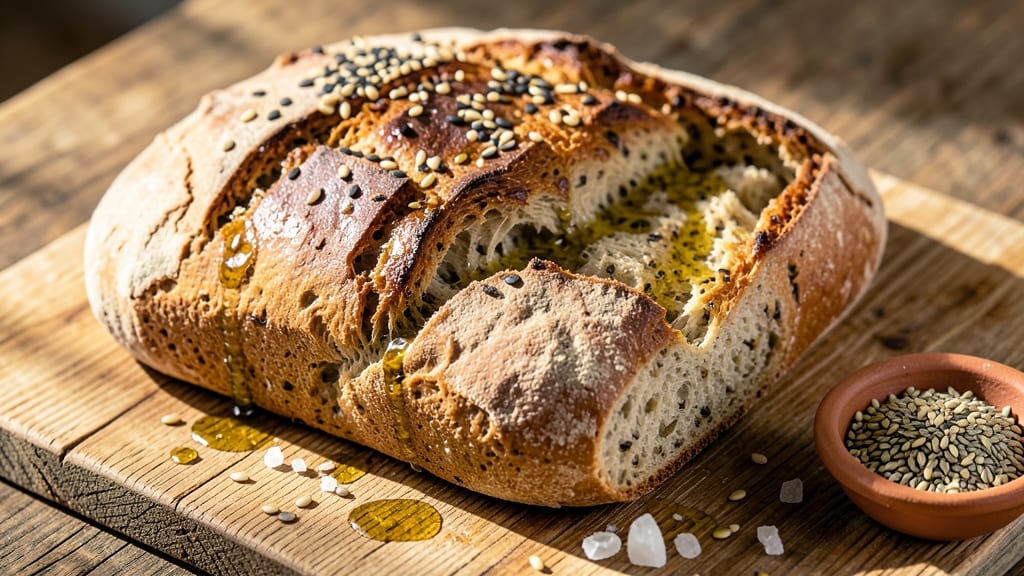
This ancient unleavened bread recipe brings history to life with every crispy edge and chewy center. 🔥 Inspired by biblical traditions, this flatbread requires no yeast—just simple ingredients and a technique that dates back thousands of years.
The key lies in the dough's resting time and high-heat cooking, which creates that signature crispy exterior while keeping the inside tender.
Traditionally made with whole wheat flour, water, and a pinch of salt, this bread mirrors the simplicity of ancient diets. Unlike modern breads, it relies on quick cooking methods—whether on a hot skillet, cast iron, or even a wood-fired oven—to achieve that perfect texture.
The result? A flatbread so crisp it crackles, yet soft enough to wrap around your favorite fillings.
Perfect for serving alongside soups, dips, or grilled meats, this bread is as versatile as it is historic. The aroma alone—warm, earthy, and slightly smoky—will transport you to an ancient kitchen. With just five ingredients and minimal effort, you’ll create a dish that’s both nostalgic and deeply satisfying.
Once baked, serve immediately while still warm, or store in a cloth-lined basket to keep it soft. Pair it with olive oil, hummus, or spiced lamb for an authentic touch. Here’s how to bring this timeless recipe to life in your own kitchen.
Ingredients for ancient unleavened bread
Five simple ingredients transform into history's most revered flatbread with crispy edges and tender centers.
| Ingredient | Amount | Notes |
|---|---|---|
| Whole Wheat Flour 🌾 | 2 cups | Stone-ground preferred for texture |
| Water 💧 | 1 ¼ cups | Room temperature for optimal mixing |
| Extra-Virgin Olive Oil 🫒 | 2 tbsp | Cold-pressed for authentic flavor |
| Sea Salt 🧂 | ½ tsp | Diamond Crystal preferred |
| Ground Flaxseed 🌰 | 1 tbsp | Acts as natural binder |
| Sesame Seeds 🌻 | 1 tbsp | Optional for traditional topping |
The flour is the foundation—stone-ground whole wheat delivers that authentic earthy flavor and dense texture. Most grocery stores carry it in the baking aisle, but specialty markets like Whole Foods or Trader Joe's often stock higher-quality varieties. If you can't find whole wheat, bread flour works in a pinch though texture will differ slightly. The olive oil isn't just for flavor; it creates that signature crispy edge when cooked properly. Cold-pressed extra-virgin has the most robust flavor profile for this application. For the flaxseed, ground is essential—whole seeds won't bind properly.
No flaxseed? 1 tbsp ground chia seeds works as a 1:1 substitute. Short on olive oil? Avocado oil at the same quantity maintains the high smoke point needed for crisping. The sesame seeds are traditional but optional—poppy seeds or toasted cumin seeds add beautiful contrast if you prefer. For the water, room temperature is critical—cold water can make the dough too stiff. If your kitchen is humid, you might need 1/8 cup less water to maintain workable consistency. The salt is non-negotiable; it enhances flavor and strengthens gluten development.
Store any unused flour in an airtight container for up to 6 months, while ground flaxseed keeps best in the fridge for 3 months. The dough itself should be used immediately after mixing—it doesn't rise, so no refrigeration is needed. For leftovers, wrap cooled flatbreads in a clean kitchen towel and store at room temperature for 2 days. To revive, warm in a dry skillet for 30 seconds. The sesame seeds will stay fresh for 6 months in a sealed container away from light.
Why You'll Love This Recipe
- No-Yeast Hassle: Mixing these five ingredients takes less time than waiting for dough to rise. Honestly, I’ve made this while chatting with friends—no kneading, no waiting, just stir, shape, and bake.
- Earthy, Nutty Depth: The whole wheat flour and flaxseed give it a rich, toasty flavor that’s way more interesting than plain white bread. Drizzle that olive oil in while it’s warm? Absolute magic.
- Meal Prep MVP: Slice it fresh for sandwiches, toast it for breakfast, or pack it for lunch—it stays crisp for days. Between us, I’ve fed a houseful of people with just two batches.
- Pantry Staple Power: You’re already using these ingredients, so it’s basically free. And the leftovers? They’re the reason I always bake an extra loaf—crust gets crunchier over time, which is weirdly satisfying.
Step-by-step instructions for ancient unleavened bread
Recreate this historic flatbread with crispy edges and tender interior using simple techniques.
👨🍳 Step 1: Combine Ingredients for a Cohesive Dough
In a large mixing bowl, whisk together the 2 cups whole wheat flour and 1 tbsp ground flaxseed. The flaxseed acts as a natural binder, mimicking the ancient practice of using available plant-based ingredients. Create a well in the center and pour in the 1.25 cups room temperature water and 2 tbsp extra-virgin olive oil. The oil adds richness and helps create that signature crispy edge.
Gradually incorporate the dry ingredients into the wet, using a wooden spoon or your hands. Mix until a shaggy dough forms—it should be slightly sticky but not wet. Sprinkle in the 0.5 tsp sea salt and continue mixing until fully combined. If the dough feels too dry, add 1 teaspoon water at a time until it holds together when pressed. This dough should be firm enough to shape but pliable enough to work with.
🥘 Step 2: Knead and Rest for Optimal Texture
Turn the dough onto a lightly floured surface and knead gently for 3-4 minutes. You're not looking to develop gluten like you would with yeasted bread—just enough to bring the ingredients together. The dough should be smooth and slightly tacky to the touch. If it crumbles, add a few drops more water and knead again.
Shape the dough into a 4-inch thick disc and place it on a parchment-lined plate. Cover loosely with a clean kitchen towel and let it rest at room temperature for 20 minutes. This brief rest period allows the flaxseed to fully activate and the flour to hydrate properly, ensuring a tender crumb when baked. Avoid over-handling during this time—too much manipulation can make the bread dense.
🔥 Step 3: Preheat and Shape for Perfect Crisp
Preheat your oven to 425°F with a baking stone or inverted baking sheet inside. The intense heat is crucial for achieving that authentic crispy edge. While the oven heats, divide the rested dough into 4 equal portions (about ½ cup each). Roll each portion between parchment paper into a ¼-inch thick circle—about 5 inches in diameter. The thin, even shape ensures quick cooking and crispy edges.
Transfer the shaped flatbreads to the preheated baking stone or sheet, spacing them 1 inch apart. Sprinkle each with ¼ tbsp sesame seeds (about ¼ of the total amount) for that traditional touch. The seeds will toast beautifully during baking, adding both texture and visual appeal. Place a small metal rack on top of the flatbreads to create steam and prevent the bottoms from sticking—this is the secret to that perfect crispy texture.
⏰ Step 4: Bake to Crispy Perfection
Bake the flatbreads for 8-10 minutes until the edges are deep golden brown and the centers are just beginning to set. Watch closely after 6 minutes—the edges should crisp quickly while the interior remains tender. Rotate the baking sheet halfway through for even browning. You're aiming for a contrast between the crispy exterior and soft interior that's characteristic of ancient flatbreads.
Remove the flatbreads from the oven and transfer them to a wire rack. Let them cool for 5 minutes before serving. The residual heat will continue to crisp the edges slightly, while the interior stays warm and tender. Serve immediately with olive oil for dipping or alongside your favorite Mediterranean dishes. These flatbreads will have that authentic, rustic quality that transports you back to ancient times.
Pro Tips For Making Ancient Unleavened Bread
- Grind Flax Fresh: Buy whole flaxseeds and grind them yourself—store-bought ground flax goes rancid fast. A quick 10-second pulse in a coffee grinder gives you that nutty, fresh bite the recipe actually needs.
- Wet Hands, Not Dough: Whole wheat flour sticks like glue. Wet your hands before shaping the dough—it’ll slide right off the board and let you roll it thin without a fight. (Yes, even if you’re impatient like me.)
- Preheat That Skillet: Cold oil = soggy bread. Heat your cast-iron or nonstick pan over medium-high until a drop of water sizzles instantly. The oil should shimmer, not smoke—this guarantees a crisp crust, not a greasy mess.
- Salt the Water: Toss the sea salt into the water first, not the flour. It dissolves better and distributes evenly, so every bite has that subtle, balanced saltiness instead of clumpy pockets of flavor. (Your future self will notice.)
Flavor customization for this dish
Herbal Infusions
Elevate your flatbread with aromatic herbs that were common in ancient kitchens. Add 1 tbsp chopped fresh rosemary or thyme directly to the dough for an earthy Mediterranean twist. For a Middle Eastern flair, mix in 1 tsp ground cumin or coriander—these spices were staples in biblical times.
The herbs infuse the dough with subtle complexity while keeping the texture intact. 🌿
Nutty Additions
For extra crunch and depth, fold ¼ cup chopped walnuts or almonds into the dough before shaping. These nuts were available in ancient diets and add a satisfying texture contrast. Toast the nuts briefly in a dry pan until fragrant, then chop finely before mixing.
For a more rustic look, sprinkle toasted pine nuts on top before baking—just 1 tbsp total is enough to make a statement.
Spiced Variations
Transform your flatbread into a fragrant spiced bread by adding ½ tsp ground cinnamon or cardamom to the dough. These warm spices were traded along ancient routes and pair beautifully with the earthy whole wheat.
For a smoky note, mix in ¼ tsp smoked paprika—it mimics the flavor of wood-fired cooking. The spices should be evenly distributed throughout the dough for balanced flavor in every bite.
Sweet Twist
Surprise your taste buds with a slightly sweet version by adding 2 tbsp honey or date syrup to the dough. This variation was common in ancient Near Eastern cultures where sweet and savory flavors coexisted.
The natural sweetness caramelizes beautifully during baking, creating a subtle contrast to the crispy edges. For a more pronounced sweetness, sprinkle 1 tsp cinnamon-sugar on top before baking.
Savory Toppings
After shaping but before baking, press 2-3 thin slices of garlic or 1 tbsp chopped fresh herbs into the dough surface. The garlic will infuse the bread with aromatic depth, while herbs like parsley or dill add freshness.
For a smoky finish, brush the tops with 1 tsp olive oil before baking—this creates a beautiful golden crust while enhancing the savory profile.
Nutrition facts
Frequently asked questions
Why does this ancient bread recipe use flaxseed?
Flaxseed acts as a natural binder, replacing eggs or dairy in traditional recipes. Ancient bakers used available plant-based ingredients to achieve cohesion, and flaxseed mimics this perfectly while adding subtle nuttiness. The ground form ensures even distribution throughout the dough.
Can I make this bread without a baking stone?
Use a heavy cast-iron skillet or preheated baking sheet. For extra crispiness, place a metal rack on the sheet before baking. The high heat from the oven's bottom element will still create that signature crispy edge, though baking times may vary slightly.
How do I know when the bread is fully cooked?
The edges should be deep golden brown while the center remains slightly soft to the touch. Tap the bread lightly—it should sound hollow. Overbaking makes it tough, so remove it when the edges are crisp but the center still has a slight give.
What's the best way to store leftovers?
Wrap cooled flatbreads in a clean kitchen towel and store at room temperature for up to 2 days. For longer storage, freeze for 1 month—reheat in a dry skillet for 30 seconds per side to restore crispiness.
Can I substitute whole wheat flour?
Yes, but texture will differ. For a lighter bread, use 1 cup bread flour + 1 cup all-purpose flour. If you prefer a denser, more rustic texture, try 100% spelt flour—it was used in ancient Mediterranean baking and creates a slightly chewy interior.