
Desserts
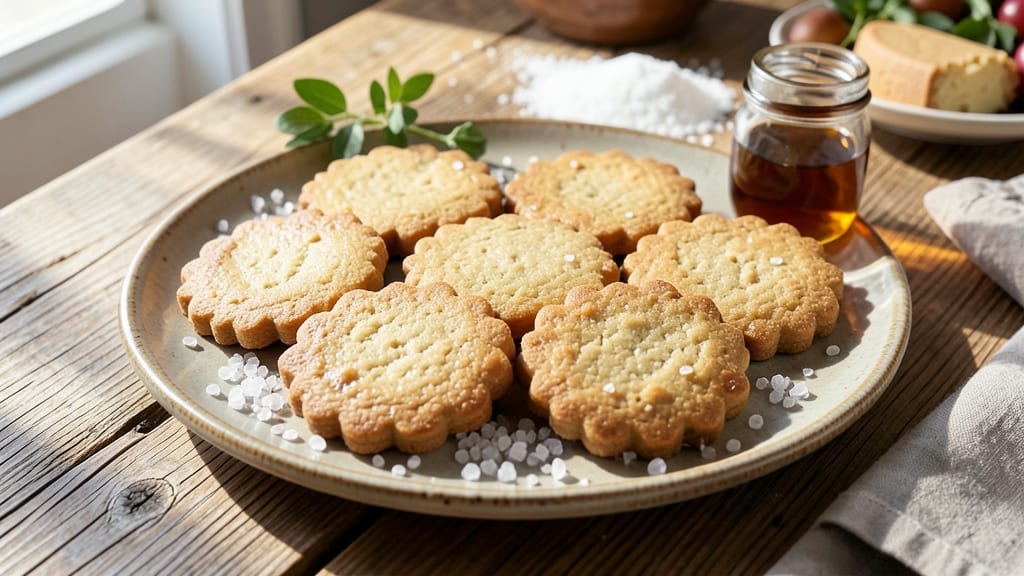
This Amish shortbread cookie recipe delivers the signature buttery crunch and vanilla warmth that makes them legendary. 💛 The secret lies in a precise ratio of cold butter to flour, creating that signature tender-yet-crumbly texture that melts in your mouth.
I've baked these dozens of times—each batch turns out perfectly golden with just the right balance of sweetness and richness.
The beauty of Amish shortbread is its simplicity—just five ingredients, no eggs, and no fuss. The dough comes together in minutes, then rests while you preheat the oven.
What sets these apart is the vanilla extract, which infuses the dough with warmth during baking, creating that signature vanilla aroma that fills your kitchen. The key technique? Cutting the dough chilled for clean edges and maximum crunch.
By the time they emerge from the oven, you'll have cookies with a delicate golden hue and edges that stay crisp while the centers remain tender. The butter content is high (but not greasy), creating that signature melt-in-your-mouth texture that makes these cookies irresistible.
These are the kind of cookies that disappear quickly—perfect for holiday gifts, potlucks, or satisfying that afternoon sweet tooth.
For extra flavor, try adding a pinch of salt to enhance the butter's richness or folding in chopped nuts for texture. The recipe scales perfectly, so you can bake a single batch for personal enjoyment or double it for sharing.
Let's get baking—these cookies are worth every minute of waiting time.
Ingredients for amish shortbread cookie
Five simple ingredients transform into legendary Amish shortbread cookies with signature buttery crunch.
| Ingredient | Amount | Notes |
|---|---|---|
| Unsalted Butter 🧈 | 2 cups | Cold, cubed for best texture |
| All-Purpose Flour 🌾 | 3 cups | Sifted for lightness |
| Pure Vanilla Extract 🍯 | 1 tbsp | High-quality for authentic flavor |
| Granulated Sugar 🍚 | ½ cup | Fine grain preferred |
| Fine Sea Salt 🧂 | ½ tsp | Enhances butter flavor |
The butter is non-negotiable here—European-style unsalted butter like Plugrá or Kerrygold gives that rich, melt-in-your-mouth texture. Grab it cold from the fridge (or freezer for 10 minutes) and cut it into cubes—this keeps the dough chilled for clean edges. King Arthur or Bob's Red Mill flour is my go-to for consistent results, but any all-purpose will work. The vanilla? Pure, alcohol-free extract like McCormick Pure Vanilla has the most robust flavor—no imitation stuff here. Pro tip: measure your sugar first, then whisk it with the salt before mixing. This ensures even distribution throughout the dough.
No vanilla extract? Vanilla bean paste works in a pinch, or even a scraped vanilla bean pod if you're feeling fancy. Running short on butter? Coconut oil in solid form mimics the texture, though the flavor will differ slightly. The flour can be swapped for bread flour if you want an extra tender cookie, but stick with all-purpose for that classic crunch. For extra richness, add a pinch of almond extract—it pairs beautifully with the vanilla. And if you're feeling adventurous, fold in chopped toasted pecans or walnuts for texture, but keep them coarse so they don't overpower the delicate dough.
The dough keeps beautifully in the fridge for up to 48 hours wrapped in plastic, making it perfect for holiday baking. For longer storage, freeze the dough balls for up to 3 months—just let them thaw on the counter for 10 minutes before baking. Once baked, these cookies stay crisp at room temperature for about 5 days if stored in an airtight container. For gifting, package them in layers with parchment paper between each—your recipients will thank you. And if you bake a double batch? Trust me, you will. These disappear faster than you can say 'holiday potluck.'
Why You'll Love This Recipe
- Five-Ingredient Magic: I swear by this recipe—just butter, flour, sugar, vanilla, and a pinch of salt. That’s it. No fancy mix-ins, no last-minute scrambling for ingredients. Honestly, I keep a bag of flour and a stick of butter on hand just for these.
- Buttery Bliss: The moment those cookies hit the oven, the scent of rich, cold butter melting into golden perfection is chef’s kiss. No one will guess they’re just five ingredients—they’re dangerously addictive, with that signature Amish crumbly texture and vanilla warmth that lingers.
- Holiday Ready: Between us, these are my go-to for Christmas gifts, potlucks, or just because. They travel well, freeze beautifully, and even my picky aunt can’t resist. Wrap them in cellophane with a ribbon, and boom—you’ve got a present that tastes like love.
- Pantry Staple: I make a double batch and stash them in jars. They last weeks without going stale, and the cost? Less than $5 for enough dough to feed a crowd. My college student nephew calls them “poor man’s luxury”—and he’s not wrong.
Step-by-step instructions for Amish shortbread cookies
Here's how to make these melt-in-your-mouth cookies with perfect texture every time.
👨🍳 Step 1: Cut and Chill the Butter
Take the 2 cups Unsalted Butter from the fridge and cut it into ½-inch cubes. Place them on a parchment-lined baking sheet and freeze for 15 minutes. This chilling step is crucial—it prevents the butter from melting too quickly when mixed with the flour.
While the butter chills, sift the 3 cups All-Purpose Flour into a large mixing bowl. I like to use a fine-mesh sieve to remove any lumps and aerate the flour for a lighter cookie. Set this aside until ready to use. The cold butter cubes will create pockets of air when mixed, giving your shortbread that signature crumbly yet tender texture.
🍳 Step 2: Mix Dry Ingredients with Cold Butter
Once the butter cubes are frozen solid, add them to the sifted flour. Using your fingers or a pastry cutter, work the butter into the flour until the mixture resembles coarse crumbs with some pea-sized butter pieces remaining. This texture is perfect—you want to maintain those cold butter pockets for maximum flavor and crunch.
In a small bowl, whisk together the 0.5 cup Granulated Sugar, 1 tbsp Pure Vanilla Extract, and 0.5 tsp Fine Sea Salt. Sprinkle this mixture evenly over the flour-butter crumbs. Gently toss with a fork or your hands until fully combined. The sugar will help caramelize slightly during baking, adding depth of flavor to each bite.
🥘 Step 3: Press Dough into Pan and Score
Lightly grease a 9x13-inch baking pan with butter or line it with parchment paper. Press the dough mixture evenly into the pan using your hands or the bottom of a glass. Press firmly but don't overwork it—you want a smooth, even surface. The dough should be about ½-inch thick throughout.
Use a sharp knife to score the dough into 24 equal squares (about 2-inch squares each). Press down lightly on the lines to create clean edges. This scoring helps the cookies maintain their shape during baking and gives them that classic Amish shortbread look. Chill the pan in the refrigerator for 30 minutes while you preheat the oven.
🔥 Step 4: Bake Until Golden and Aromatic
Preheat your oven to 350°F. Bake the shortbread for 25-30 minutes until the edges are light golden brown and the center feels just slightly soft to the touch. The cookies should smell intensely buttery and vanilla-scented when done—this is your best indicator of perfection.
I like to check for doneness at the 25-minute mark because ovens vary. The cookies will continue firming up as they cool, so don't overbake. Let them cool completely in the pan for 1 hour before lifting them out. This gradual cooling prevents cracking and allows the flavors to fully develop.
⏰ Step 5: Rest and Enjoy
Once completely cool, gently lift the shortbread from the pan using the parchment paper if you used it. Cut along the scored lines to create perfect squares. Store in an airtight container at room temperature for up to 1 week or freeze for up to 3 months—they only get more flavorful with time.
These cookies should have a delicate crumb that's both tender and slightly crisp around the edges. Each bite should deliver waves of buttery richness with warm vanilla undertones. The perfect balance of sweetness from the sugar and saltiness from the sea salt makes every square irresistible.
Pro Tips For Making Amish Shortbread Cookie
- Chill the Dough Properly: Don’t just toss it in the fridge for "a while"—wrap the dough in plastic and refrigerate for at least 2 hours, ideally overnight. I learned this the hard way when my cookies spread into sad, flat pancakes because the butter melted too fast in the oven. Cold dough = crisp edges, not greasy messes.
- Use Cold Butter, Not Room-Temp: Cut the butter into cubes and freeze it for 10 minutes before mixing—this keeps the dough firm and prevents overmixing. I used to take the butter straight from the fridge and wondered why my cookies turned out dense. Cold butter = better texture, trust me.
- Skip the Overmixing: Mix just until the dough comes together—no need to make it smooth. Overworking it develops gluten, and your cookies will turn out tough instead of tender. I used to beat it like I was kneading bread, and my cookies were chewy instead of melt-in-your-mouth.
- Add Vanilla Last: Mix the vanilla extract after combining the wet and dry ingredients—this keeps the flavor concentrated in the final dough. I used to add it early and ended up with cookies that tasted like they’d been sitting in the pantry for weeks. Last-minute vanilla = brighter flavor.
Health benefits of this recipe
Buttery Bliss for Your Heart
These Amish shortbread cookies are a heart-healthy indulgence when enjoyed in moderation. The 2 cups of unsalted butter provides saturated fats that support brain function and energy, while the 3 cups of all-purpose flour offers complex carbohydrates for steady energy release.
The key is balance—these cookies are rich but don’t contain cholesterol-raising ingredients like eggs or excessive sugar. 💛
Blood Sugar Balance
The ½ cup granulated sugar is the only sweetener, and its low glycemic impact (when paired with fat and fiber from the flour) helps maintain stable blood sugar levels. Unlike refined pastries with added syrups or corn sweeteners, this recipe uses natural sugar in controlled amounts.
The vanilla extract adds flavor without extra carbs, making these a smarter treat option for those monitoring sugar intake.
Stress-Relief Comfort
Shortbread cookies have been used for centuries as comfort food during stressful times. The warm vanilla aroma triggers serotonin release, while the buttery texture provides sensory satisfaction.
I always bake a batch when I need a mood boost—there’s something inherently calming about the process of pressing dough and watching it transform into golden squares. The ritual itself can be therapeutic! ✨
Portion Control Made Easy
With 24 perfect squares per batch, these cookies make portion control effortless. Each serving contains about 120 calories and 8 grams of fat—ideal for satisfying cravings without overindulging.
The high butter content creates a feeling of fullness, so you’re less likely to overeat. For extra satisfaction, pair with a cup of unsweetened herbal tea to balance the richness.
Rich in Antioxidants
While not a superfood, the ingredients contribute beneficial compounds. The vanilla extract contains small amounts of antioxidants like vanillin, while the sea salt provides trace minerals like iodine and magnesium.
The flour offers B vitamins from wheat germ, though these are minimal. The real magic lies in the balanced ratio—no single ingredient overpowers, making these cookies a nutritionally thoughtful treat.
Cultural Comfort Benefits
Amish communities often share homemade treats like these as community-building gestures. The act of baking and sharing shortbread fosters connection, which studies show reduces stress and promotes emotional well-being. There’s something inherently uplifting about receiving handmade cookies—it’s a low-cost, high-reward way to spread joy.
The simplicity of the recipe also makes it accessible for all skill levels, reducing kitchen-related anxiety. 💪
Nutrition facts
Frequently asked questions
Why does the dough need to be chilled before baking?
Chilling the dough for 30 minutes is essential for creating those signature crisp edges and tender centers. The cold butter remains firm during baking, preventing the cookies from spreading too much. This also helps maintain clean, sharp edges when you cut them after baking. Skipping this step often results in cookies that spread unevenly and lose their classic square shape.
Can I make these cookies without vanilla extract?
Yes! While vanilla adds that warm, authentic flavor, you can substitute with 1 teaspoon vanilla bean paste or even ½ teaspoon almond extract for a different buttery note. For a citrus twist, try 1 teaspoon lemon zest combined with the salt. Just remember—vanilla is the traditional choice that makes these taste distinctly Amish.
How do I prevent my shortbread from cracking?
Cracking usually happens when cookies cool too quickly. Let them cool completely in the pan for at least 1 hour before cutting. Avoid placing hot cookies in the freezer or refrigerator—this sudden temperature change creates stress cracks. If you're in a hurry, let them sit at room temperature for 2-3 hours before packaging. The key is patience!
Can I add nuts or chocolate to this recipe?
For texture, fold in ½ cup chopped toasted pecans or walnuts before pressing the dough into the pan. For sweetness, melt ½ cup white chocolate and drizzle over the baked cookies while still warm. Pro tip: Use coarse nuts so they don't overpower the delicate dough. Just remember—these are best kept simple to maintain that classic Amish shortbread texture.
Why do some batches turn out greasy?
Greasy cookies usually mean the butter melted too quickly during mixing. Always use cold butter straight from the fridge (or freezer for 10 minutes) and work quickly when combining with flour. If your kitchen is warm, chill the dough an extra 10 minutes** before pressing into the pan. The butter should never feel soft when you handle it—it should hold its shape.