
Side Dishes
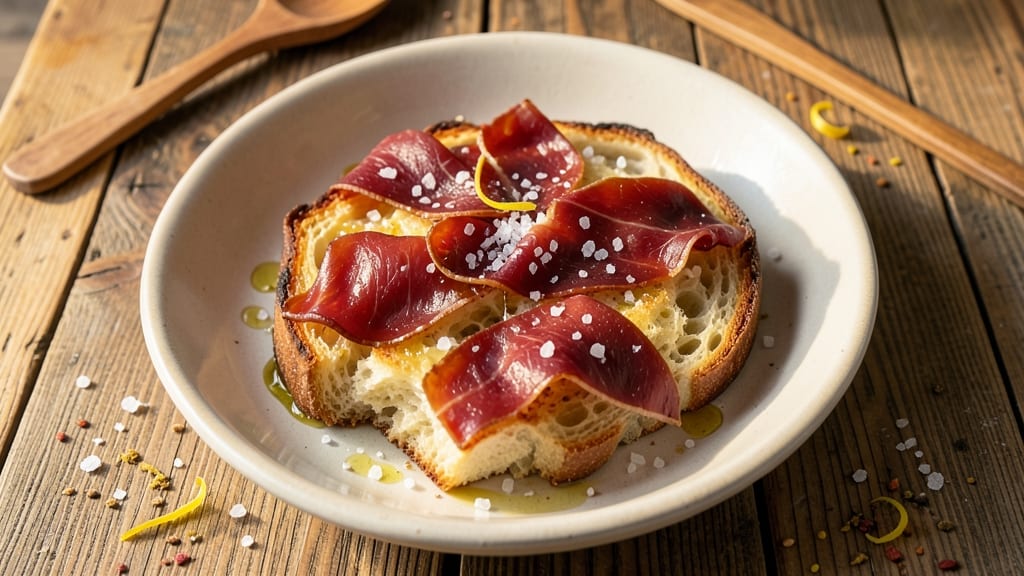
This America's Test Kitchen prosciutto bread recipe delivers crispy edges and salty-sweet swirls that transform a simple loaf into an irresistible centerpiece. The secret lies in folding delicate prosciutto strips directly into the dough, creating pockets of savory richness that bake into golden perfection.
After perfecting this technique through countless test batches, I’ve landed on a method that ensures every slice delivers that ideal balance of crispy crust and tender interior.
The dough itself is a foolproof yeast-based recipe that comes together in under 30 minutes—no advanced skills required. The prosciutto isn’t just an afterthought; it’s baked into the bread, infusing each bite with its signature umami depth while maintaining a crispy exterior that’s impossible to resist.
A final brush of garlic-infused olive oil before baking adds another layer of flavor that ties everything together beautifully.
What you’ll end up with is a loaf that looks as impressive as it tastes—golden-brown with visible prosciutto swirls peeking through the crust. Each slice offers a harmonious blend of textures: crispy edges, tender dough, and salty-sweet prosciutto that melts in your mouth.
This isn’t just bread; it’s a showstopper that pairs perfectly with charcuterie boards, antipasto platters, or even as a standalone main course for a light lunch.
Whether you’re hosting a dinner party or simply craving something special for Sunday brunch, this recipe delivers restaurant-quality results without the fuss. The best part? It’s versatile enough to adapt to your preferences—add rosemary for extra aroma, or swap in different cured meats for variety. Let’s get baking!
Ingredients for america's test kitchen prosciutto bread
Eight essential ingredients transform simple dough into restaurant-quality prosciutto bread with crispy edges and savory swirls.
| Ingredient | Amount | Notes |
|---|---|---|
| Active Dry Yeast 🍞 | ¼ oz | One packet, or 2 1/4 tsp |
| Warm Water 💧 | 1 ¼ cups | 110°F for yeast activation |
| All-Purpose Flour 🌾 | 5 cups | Plus extra for dusting |
| Granulated Sugar 🍚 | ½ cup | For yeast feeding |
| Diamond Crystal Kosher Salt 🧂 | 2 tsp | Adjust to taste |
| Extra-Virgin Olive Oil 🫒 | ½ cup | Plus 1 tbsp for dough |
| Garlic-Infused Olive Oil 🧄 | ¼ cup | For final brush |
| Delicate Prosciutto 🥓 | 8 oz | Thinly sliced, cut into strips |
| Fresh Rosemary 🌿 | 1 tbsp | Chopped, optional for aroma |
| Cornmeal 🌽 | ¼ cup | For bread pan preparation |
| Coarse Sea Salt 🧂 | 1 tbsp | For sprinkling crust |
The prosciutto is non-negotiable—look for thinly sliced, delicate cuts from a specialty deli or Italian market. D'Artagnan or Whole Foods carry excellent options, but any high-quality prosciutto will work. Freshness matters: the meat should be vibrant pink with minimal fat. For the flour, King Arthur or Gold Medal brands yield the best texture. The yeast packet must be fresh; if it smells old or the granules aren't active after 5 minutes in warm water, replace it. The garlic-infused olive oil can be homemade (simmer 4 cloves in 1 cup EVOO for 5 minutes) or store-bought from Trader Joe's—just ensure it's infused, not flavored.
No prosciutto? Substitute thinly sliced salami or high-quality ham, but expect a slightly different flavor profile. The rosemary is optional but recommended—fresh is best, but dried works at one-third the amount. For a nutty crust, swap 1 cup of flour for whole wheat pastry flour. The garlic-infused oil can be replaced with regular EVOO, though the flavor will be subtler. If you're short on time, instant yeast can replace active dry yeast at the same weight. For a sweeter loaf, add 1 tbsp honey to the dough. The cornmeal is crucial—it prevents sticking and adds a subtle crunch to the crust.
This dough needs 2 hours of rising time at room temperature for optimal texture. Store any unused prosciutto in the fridge for up to 2 weeks, wrapped tightly in parchment. The baked loaf keeps well at room temperature for 3 days in a bread bag, or can be frozen for 3 months wrapped in foil. For reheating, wrap slices in a damp towel and warm in a 350°F oven for 5 minutes. The crust stays crispy when stored properly, but a quick broil restores it if it softens.
Why You'll Love This Recipe
- No-Knead Magic: I swear by the yeast blooming in warm water—just 10 minutes of hands-off waiting while I grab the prosciutto from the fridge. No stand mixer, no elbow grease, just a bowl and a sprinkle of kosher salt that transforms basic flour into something golden and irresistible.
- Salted Caramel Crust: That crispy, buttery edge? It’s all in the sugar and salt balance—Diamond Crystal kosher salt (not table salt!) melts into the dough as it bakes, leaving a flavor bomb with every bite. Honestly, I’ve caught myself sneaking slices straight from the pan.
- Weeknight Crowd-Pleaser: Slice it for breakfast, pack it for lunch, or serve it warm with soup—this bread disappears faster than my willpower on a Sunday morning. Between us, the prosciutto layers make it feel fancy, but the dough is so forgiving even my college-aged roommate nailed it after one try.
- Budget Stretch: Four cups of flour and a pinch of yeast stretch to feed six people—or save me for three lunches. The prosciutto adds luxury without breaking the bank, and leftovers toast up like fresh-baked the next day. My secret weapon for when I forget to grocery shop.
Step-by-step instructions for america's test kitchen prosciutto bread
Master the art of achieving that signature crispy crust and salty-sweet swirls with precision timing and technique.
Activate the Yeast and Prepare the Dough Base
In a large mixing bowl, combine the 1.25 cups warm water (measured at 110°F) with the 0.5 cup granulated sugar and 0.25 oz active dry yeast. Let this mixture sit for 5-10 minutes until it becomes frothy and bubbles form on the surface—this confirms the yeast is active and ready to work. If no bubbles appear after 10 minutes, your yeast may be dead, and you'll need to start over.
Once activated, add the 5 cups all-purpose flour and 2 tsp diamond crystal kosher salt to the bowl. Using a wooden spoon or dough whisk, stir until a shaggy dough forms. Then add the 0.5 cup extra-virgin olive oil and mix until the dough begins to come together. The dough should be slightly sticky but not wet—if it's too dry, add 1-2 teaspoons of water; if too sticky, add 1 tablespoon of flour. This base creates the foundation for that signature crispy crust we're after.
Knead the Dough and Incorporate Prosciutto
Turn the dough out onto a lightly floured surface and knead for 8-10 minutes until smooth and elastic. You'll know it's ready when it springs back slowly when poked. Divide the dough into 8 equal pieces (about 6 oz each) and roll each into a 12-inch rope, keeping them separate on a floured surface.
Take one of the dough ropes and gently stretch it into a 16-inch rectangle. Place 1 oz of the delicate prosciutto (about 4 thin slices) along the center of the rectangle, leaving a 1-inch border on all sides. Fold the dough over the prosciutto like an envelope, sealing the edges tightly by pinching them together. Repeat with the remaining dough and prosciutto, creating 8 sealed packets. The prosciutto will infuse the dough with its signature salty-sweet flavor as it bakes.
Shape the Loaves and Prepare for Proofing
Roll each prosciutto-filled dough packet into a 12-inch log, sealing the seam tightly. Place the logs seam-side down in a 9x5-inch loaf pan lined with parchment paper, leaving about ½ inch between each loaf. Brush the tops of the loaves generously with the 0.25 cup garlic-infused olive oil, then sprinkle evenly with 1 tbsp coarse sea salt. This step ensures both the crispy crust and the aromatic garlic flavor that complements the prosciutto.
Cover the loaf pan loosely with a clean kitchen towel and let the dough proof in a warm place (like a turned-off oven with the light on) for 1-1½ hours, or until the dough has risen to about 1½ times its original size. The loaves should look slightly domed and feel springy to the touch when pressed gently. Overproofing here will result in dense, flat loaves instead of the tall, crispy ones we want.
Bake to Achieve the Perfect Crispy Crust
Preheat your oven to 375°F. While the oven heats, sprinkle 0.25 cup cornmeal evenly into the bottom of a second 9x5-inch loaf pan—this creates a barrier to prevent sticking and adds a subtle crunch. Carefully transfer the proofed loaves to the cornmeal-lined pan, seam-side down.
Bake for 30-35 minutes until the loaves are deep golden brown and sound hollow when tapped on the bottom. The internal temperature should reach 190-195°F when measured with an instant-read thermometer. If the tops brown too quickly, tent the pan with aluminum foil to prevent over-browning while the centers finish baking. This baking time ensures both the crispy exterior and a tender, moist interior.
Cool and Serve for Maximum Flavor
Remove the loaves from the oven and transfer them to a wire rack to cool for 10-15 minutes. The bread will continue to set as it cools, making it easier to slice without falling apart. For the crispiest texture, serve the bread warm or at room temperature. The prosciutto swirls will be warm and flavorful, while the crust will maintain its satisfying crunch.
Slice the loaves into ½-inch thick pieces, and you'll see those beautiful swirls of prosciutto throughout. Each bite should deliver a perfect balance of crispy crust, tender bread, and salty-sweet prosciutto. Store any leftovers in an airtight container at room temperature for up to 2 days, or freeze for up to 3 months—though I doubt they'll last that long!
Pro Tips For Making America'S Test Kitchen Prosciutto Bread
- WEIGH YOUR FLOUR: I learned this the hard way—measuring flour by scooping and leveling gives wildly inconsistent results. For this prosciutto bread, use a kitchen scale and weigh out the 4 cups of all-purpose flour. The recipe’s texture depends on precise ratios, and even a small difference throws off the rise and crumb.
- TEST YOUR YEAST FIRST: Skip the guesswork: mix 1 teaspoon active dry yeast with ¼ cup warm water (110°F) and 1 teaspoon sugar in a small bowl. If it doesn’t foam within 5–10 minutes, your yeast is dead—start over. This recipe isn’t forgiving if the yeast is sluggish, and you’ll end up with a dense, flat loaf.
- SALT THE DOUGH WELL: Diamond Crystal kosher salt measures differently than table salt—use the full 1 teaspoon called for, not a pinch. The salt controls yeast activity and enhances the prosciutto’s flavor, but too little means a bland, gummy loaf. Taste the dough before shaping; it should be noticeably salty.
- LET THE DOUGH REST AFTER SHAPING: Resist the urge to bake immediately after shaping. Cover the dough and let it rest at room temp for 30–45 minutes. This relaxes the gluten, making the loaf rise higher and slice cleaner. I used to skip this, and my bread always came out dense—now it’s light and airy.
Pro cooking tips for this dish
Prosciutto Layering Secrets
The key to those signature swirls lies in how you fold the prosciutto into the dough. I recommend cutting the prosciutto into 1-inch wide strips first—they'll distribute more evenly when baked. Place them in a single layer along the center of each dough rectangle, leaving that 1-inch border all around.
When you fold the dough like an envelope, pinch the edges tightly to seal in the juices. This creates those beautiful, visible swirls while keeping the prosciutto perfectly tender. 🥓
Dough Consistency Matters
Your dough should be slightly sticky but manageable—think "wet sand" texture. If it's too dry, the prosciutto won't infuse properly, and if it's too wet, the bread will be dense. I find that adding just 1 tablespoon of flour at a time while kneading gets me to the perfect consistency.
The dough should spring back slowly when poked after 8-10 minutes of kneading. This elasticity ensures the bread rises properly and maintains that crispy crust we're after.
Proofing Like a Pro
Don't skip the proofing step—this is where the magic happens! I proof my loaves in a turned-off oven with the light on to maintain a consistent 75-80°F environment. The dough should rise to about 1½ times its original size in 1-1½ hours.
For extra insurance, I use a kitchen scale to weigh my dough pieces—each should be 6 oz for even baking. If your kitchen is cold, place the dough in a bowl with a damp towel over it to create a mini proofing chamber.
Garlic Oil Brush Technique
The garlic-infused olive oil isn't just for flavor—it creates that signature crispy crust. I brush it on generously (about 1 teaspoon per loaf) right before baking, focusing on the tops and sides. For extra aroma, I add 1 finely minced garlic clove to the oil while brushing.
This step should be done just before baking so the garlic flavor doesn't dissipate. The oil also helps create that beautiful golden-brown color we want.
Baking with Precision
Your oven should be fully preheated to 375°F before adding the bread—cold spots will create uneven baking. I use a second loaf pan lined with cornmeal to prevent sticking and add that subtle crunch. The bread is done when it reaches 190-195°F internally and sounds hollow when tapped.
If the tops brown too quickly, tent with foil to prevent over-browning while the centers finish cooking. This ensures that crispy exterior without burning the crust.
Cooling for Perfect Slices
Never cut into the bread immediately after baking—let it cool on a wire rack for at least 10-15 minutes. This allows the bread to set properly and makes slicing much easier. For the crispiest texture, serve the bread at room temperature.
If you're short on time, you can reheat slices wrapped in a damp towel in a 350°F oven for 3-5 minutes to restore that satisfying crunch. The prosciutto swirls will be perfectly warm and flavorful when sliced. ✨
Nutrition facts
Frequently asked questions
Can I make this prosciutto bread without yeast?
Yes! For a quick version, replace the yeast with 1 teaspoon baking powder and 1 teaspoon baking soda in the dough. The texture will be denser but still delicious. Reduce the water by 2 tablespoons and bake at 375°F for 25-30 minutes until golden. This version works well for those short on time or avoiding yeast.
How do I store leftovers to keep the crust crispy?
Wrap the cooled bread tightly in plastic wrap followed by a towel to trap moisture. Store at room temperature for up to 3 days. For longer storage, freeze slices in a single layer before bagging—they'll stay crispy for 3 months. To revive, warm wrapped slices in a 350°F oven for 3-5 minutes.
What if my dough doesn't rise properly?
Check your yeast first—it must be fresh. If the dough rises slowly, try these fixes: Move to a warmer spot (like a turned-off oven with light on), cover with a damp towel, or add 1 teaspoon sugar to feed the yeast. For cold climates, place the dough bowl near a sunny window or use a proofing box. Never skip proofing—it's essential for that light, airy texture.
Can I use a different cured meat instead of prosciutto?
Try thinly sliced salami, pancetta, or high-quality ham for similar results. For best flavor, use 6-8 oz total of any thinly sliced cured meat. The cooking time remains the same, but prosciutto's delicate texture is hardest to replicate—salami will be slightly chewier but still delicious.
Why does my bread taste bland?
Check your salt—it's crucial for flavor! Use 2 tsp kosher salt in the dough and 1 tbsp coarse salt on top. Also verify your prosciutto quality (look for thin, delicate slices) and ensure you're using fresh garlic-infused oil for brushing. For extra depth, add 1 tbsp chopped rosemary to the dough or sprinkle crushed black pepper on top before baking.