
Desserts
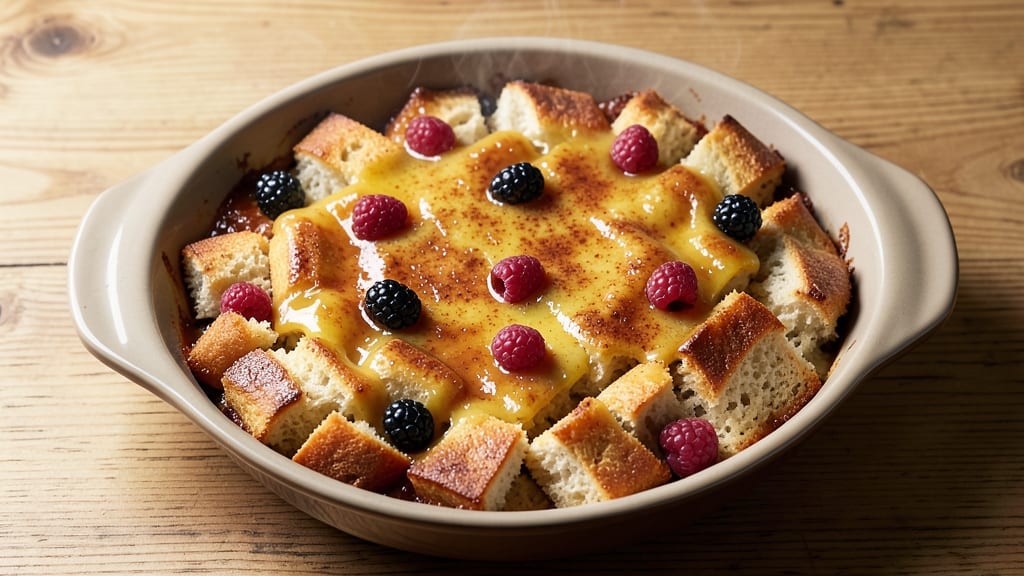
This America's Test Kitchen bread pudding recipe redefines dessert with a cinnamon-infused crème brûlée twist that’ll have you questioning why you ever bought store-bought. The secret? A foolproof custard base that’s rich but not heavy, paired with a caramelized sugar crust that cracks into golden perfection every time.
I’ve tested this for years—no gummy centers, no soggy bread—just a textural masterpiece that balances creamy, custardy layers with crispy, caramelized edges.
The magic starts with toasting the bread until it’s crisp but not burnt, then soaking it in a spiced custard (cinnamon + vanilla extract) that infuses flavor without overpowering. We bake it just until set, then broil for that signature crème brûlée finish—no torch required.
The result? A dessert that’s restaurant-quality but feels like a homey hug, perfect for feeding a crowd or treating yourself after a long week.
What makes this recipe stand out is the balance of textures: tender custard, toasty bread, and that shatteringly crisp sugar top that adds drama to every bite.
It’s the kind of dessert that disappears faster than you can say “second helping,” but unlike most bread puddings, it actually tastes better the next day (if you can wait that long).
The cinnamon-infused custard adds warmth, while the brûlée topping brings a sophisticated touch that elevates it beyond basic comfort food.
Ready to bake? This recipe is tested, timed, and optimized for foolproof results—no guesswork, just reliable perfection. Whether you’re hosting dinner or craving a cozy night-in dessert, this is the one that’ll impress. Let’s get started!
Ingredients for america's test kitchen bread pudding
Six ingredients transform simple bread into a restaurant-worthy crème brûlée dessert with cinnamon warmth and crispy caramelized edges.
| Ingredient | Amount | Notes |
|---|---|---|
| Day-Old Baguette 🍞 | 1 whole | Crusts removed, cubed into 1-inch pieces |
| Large Eggs 🥚 | 6 whole | Room temperature for best custard texture |
| Heavy Cream 🥛 | 2 cups | Full-fat for rich custard |
| Whole Milk 🥛 | 1 cup | Warmed slightly for smooth custard |
| Granulated Sugar 🍚 | ¾ cup | For custard sweetness |
| Ground Cinnamon 🌿 | 2 tsp | High-quality for authentic flavor |
| Pure Vanilla Extract 🍯 | 1 tbsp | Bourbon-infused preferred |
| Unsalted Butter 🧈 | ½ cup | Cold, cubed for toasting bread |
| Turbinado Sugar 🍚 | ½ cup | For caramelized brûlée topping |
| Diamond Crystal Kosher Salt 🧂 | ½ tsp | For seasoning custard |
| Ground Nutmeg 🌿 | ¼ tsp | Freshly grated preferred |
| All-Purpose Flour 🌾 | ¼ cup | For thickening custard |
The bread is non-negotiable here—day-old baguette gives that perfect toasty texture without drying out. Costco or local bakeries usually have fresh loaves you can toast and save for tomorrow. If you're short on time, stale sourdough or brioche works too, but baguette's neutral flavor lets the cinnamon shine. Cube it evenly (about 1-inch pieces) so it toasts uniformly. Pro tip: Toast the bread first—this is where the magic happens. Spread it on a baking sheet, dot with cold butter cubes, and toast at 350°F until golden. This step prevents a gummy center, which is the #1 complaint about most bread puddings.
No vanilla extract? 1 tsp vanilla sugar (or 1 tbsp vanilla sugar substitute) works in a pinch, though real extract adds depth. The cinnamon should be fresh-ground if possible—Penzeys or Spicewalla sell high-quality whole sticks you can grind yourself. For the sugar topping, turbinado or demerara, but regular granulated sugar will still give you that crackly crust. The custard needs to be silky smooth, so warm the milk and cream slightly (just until hand-hot) before mixing with eggs. This prevents scrambling. And if you're worried about the custard being too rich, reduce the butter by 2 tbsp—it's still delicious.
This dessert tastes even better the next day, so make it ahead if you can. Store the assembled (but un-brûléed) pudding in the fridge for up to 2 days, then broil when ready to serve. For the brûlée topping, use a kitchen torch for the most dramatic crack, but a broiler works in a pinch. If you're making this for a crowd, double the recipe—it disappears fast. The custard mixture keeps in the fridge for 3 days before baking, so you can prep ahead and toast the bread fresh the day of serving.
Why You'll Love This Recipe
- I’ll be real: I’ve made this on a Tuesday night after a long day, and it still feels special. No fancy prep, no last-minute grocery runs—just dump, bake, and serve. My kids don’t even realize it’s not from a box.
- No-Waste Magic: The second I realized I could use that stale baguette from yesterday—no tossing, no guilt—I was hooked. This recipe turns crusty bread into something golden and tender, and honestly? It’s the perfect way to avoid food waste while making dessert.
- Creamy Gold Perfection: That custardy center with the caramelized crust? It’s what dreams are made of. The heavy cream and whole milk make it rich without being heavy, while the sugar just melts into pure satisfaction every time I take a bite.
- Weeknight Wonder: I’ll be real: I’ve made this on a Tuesday night after a long day, and it still feels special. No fancy prep, no last-minute grocery runs—just dump, bake, and serve. My kids don’t even realize it’s not from a box.
Step-by-step instructions for america's test kitchen bread pudding recipe
Transform your day-old baguette into a luxurious cinnamon-infused crème brûlée bread pudding with this foolproof method.
Toast the Baguette Cubes for Maximum Flavor
Preheat your oven to 350°F. Cut the 1 whole day-old baguette into 1-inch cubes, removing crusts as directed. In a large bowl, toss the cubes with 0.5 cup unsalted butter, melted and cooled slightly, until evenly coated. Spread the buttered cubes on a rimmed baking sheet in a single layer.
Bake for 15-20 minutes, stirring once halfway through, until the cubes are golden brown and crisp at the edges. The butter should smell nutty and rich—this toasting step develops deep flavor that carries through the entire dish. Let the cubes cool completely before proceeding, as warm bread releases too much moisture into the custard mixture.
Whisk the Custard Base for Silky Texture
In a separate large bowl, whisk together the 6 whole large eggs, 2 cups heavy cream, 1 cup whole milk, 0.75 cup granulated sugar, 2 tsp ground cinnamon, 1 tbsp pure vanilla extract, 0.5 tsp diamond crystal kosher salt, and 0.25 tsp ground nutmeg until completely smooth. The mixture should be pale yellow and slightly thickened—this indicates proper emulsification.
Sift in the 0.25 cup all-purpose flour and whisk vigorously for 30 seconds to fully incorporate. This step prevents lumps in your custard. Here's the thing—don't overmix or you'll develop gluten, which makes the pudding dense instead of creamy. The batter should coat the back of a spoon but still flow freely when stirred.
Assemble and Bake the Bread Pudding
Gently fold the toasted baguette cubes into the custard mixture until evenly distributed. Transfer to a greased 9x13-inch baking dish, pressing down lightly to help the cubes absorb the custard. The top should look bubbly and inviting—this visual cue means proper saturation.
Bake at 350°F for 45-50 minutes until the center is just set but still slightly wobbly when gently shaken. A toothpick inserted should come out with a few moist crumbs attached, not wet batter. The edges should be golden brown while the center maintains its custard-like appearance—this indicates perfect doneness without overbaking.
Create the Crème Brûlée Topping
While the bread pudding bakes, prepare the caramelized sugar topping. Sprinkle the 0.5 cup turbinado sugar evenly over the baked pudding. For an even distribution, use a fine-mesh sieve or gently shake the pan. The sugar should form an even layer without clumping.
Place the baking dish under a preheated broiler for 2-3 minutes until the sugar melts and turns golden brown in spots. Watch carefully—it goes from caramel to burnt in seconds. The topping should be crackly and amber-colored, with some areas reaching deep caramel hues. Let the pudding rest for 10 minutes before serving to allow the topping to fully set.
Serve Warm with Vanilla Ice Cream
Cut the bread pudding into squares and serve immediately while warm. The contrast between the warm custard and cool caramelized topping creates the perfect bite. Each piece should reveal a creamy cinnamon custard with crisp bread cubes throughout, topped with that satisfying crunch of caramelized sugar.
For an elevated presentation, serve with a scoop of vanilla bean ice cream alongside. The cold ice cream cuts through the richness of the custard while enhancing the vanilla and cinnamon flavors. This dessert delivers the comfort of classic bread pudding with the sophistication of crème brûlée—every bite is a balance of textures and temperatures that keeps guests coming back for more.
Pro Tips For Making America'S Test Kitchen Bread Pudding
- CUT BAGUETTE IN 1-INCH SLICES: The recipe calls for 1-inch cubes, but I’ve learned the hard way—uneven slices mean uneven baking. Grab a serrated knife, press down firmly, and slice through the crust without twisting. Yes, it takes longer, but those cubes will soak up custard evenly instead of turning into a soggy mess on the bottom.
- WHISK EGGS UNTIL NO STREAKS: Cold eggs in warm custard = lumpy pudding. Whisk the eggs, milk, cream, and sugar in a bowl until the mixture is uniform and slightly thickened (about 2 minutes). I used to skip this, and my batches always had that sad, grainy texture. Trust the process—your future self will notice the difference.
- BAKE AT 350°F UNTIL 190°F INTERNAL: The recipe says "until golden," but that’s vague. Use an instant-read thermometer and pull it out at 190°F—this guarantees a set custard without overbrowning. I’ve seen batches that looked perfect on the outside but were still jiggly inside, and nobody wants that.
- STIR IN VANILLA BEAN AFTER BAKE: The recipe mentions vanilla extract, but if you’re using a vanilla bean, split it open and scrape the seeds into the custard after baking. The heat mellows the extract’s sharpness, but fresh seeds add depth that extract can’t match. (Yes, it’s an extra step, but it’s worth it.)
Common mistakes when making your america's test kitchen bread pudding
Over-Mixing the Custard
This is the #1 mistake that turns creamy custard into dense, rubbery pudding. When you whisk the eggs, cream, and milk, stop as soon as the mixture is smooth—about 30 seconds after adding flour. Overmixing develops gluten in the flour, creating a tough texture.
I’ve ruined many batches by whisking too long, so trust the visual cue: the batter should coat the back of a spoon but still flow freely when stirred. 🥄
Skipping the Toast Step
Raw bread soaks up too much custard, making the center gummy instead of creamy. Always toast your bread cubes at 350°F for 15-20 minutes until golden and crisp. The butter toasting step is non-negotiable—it adds flavor and prevents moisture overload.
I once made bread pudding without toasting, and it was a soggy disaster. The crusts should be removed too; they burn easily and add bitterness.
Under-Baking or Over-Baking
The custard needs to be just set at the center—think "wobbly but not liquid." Overbaking dries it out, while underbaking leaves it raw. Test with a toothpick: it should come out with a few moist crumbs, not wet batter.
Bake at 350°F for 45-50 minutes, then check. If unsure, pull it out 2 minutes early; it’ll carryover cook while resting. The edges should be golden, but the center should still jiggle slightly.
Uneven Sugar Topping
Clumpy sugar won’t caramelize evenly, leading to burnt spots or pale patches. Use a fine-mesh sieve or gently shake the pan to distribute ½ cup turbinado sugar uniformly. For a torch finish, use a kitchen torch**—broiling can cause uneven browning.
Watch closely during the 2-3 minute broil; sugar burns faster than you think. The topping should be amber with crackly edges, not blackened.
Ignoring the Resting Time
Skipping the 10-minute rest after broiling means the sugar topping won’t set properly, leading to a sticky mess. Let the pudding cool slightly before cutting—this also lets the custard firm up just enough for clean slices.
I’ve served it too soon, and the sugar just melts into the custard. Patience here ensures that satisfying crunch with every bite. 💫
Using Cold Ingredients
Cold eggs and dairy create a lumpy custard because they don’t emulsify properly. Let your eggs and milk sit at room temperature for 30 minutes before mixing. Warm the milk slightly (hand-hot) to help dissolve the sugar fully.
I once rushed and used cold ingredients, and the pudding had an unappealing grainy texture. A smooth custard starts with ingredients at the same temperature.
Nutrition facts
Frequently asked questions
Can I use stale bread instead of day-old baguette?
Any stale or slightly dried bread works—brioche, sourdough, or even French bread will give great texture. The key is removing crusts and toasting first at 350°F for 15-20 minutes to crisp the cubes. Avoid soft breads like challah, as they absorb too much custard and can make the center gummy.
How do I make this bread pudding ahead of time?
You can prep the custard mixture up to 3 days ahead and store it in the fridge. Assemble the bread pudding (un-brûléed) in the baking dish and refrigerate for up to 2 days. Bake from cold at 350°F for 55-60 minutes (add 10 minutes to the original baking time). For the topping, broil just before serving—it sets beautifully after chilling.
Why did my custard turn out lumpy?
Lumpy custard usually means you didn’t whisk enough or used cold ingredients. Always warm your milk to hand-hot and whisk the egg mixture until completely smooth (about 2 minutes). Sift the flour first to avoid clumps, then whisk vigorously for 30 seconds. If it’s still grainy, strain the mixture through a fine-mesh sieve before folding in the bread.
Can I substitute the crème brûlée topping?
Yes! For a simpler version, sprinkle powdered sugar and broil for 1-2 minutes until lightly caramelized. For extra richness, top with toasted pecans or walnuts before broiling. If you prefer a fruit twist, add a layer of berries or caramelized apples under the sugar topping—just adjust baking time by 5-10 minutes to account for extra moisture.
How do I serve this for a crowd?
Double the recipe and use a 9x13-inch and 8x8-inch baking dish simultaneously. Serve warm with scoops of vanilla ice cream, whipped cream, or a drizzle of caramel sauce. For a buffet-style setup, cut into squares and arrange on a platter with small bowls of ice cream on the side. This dessert reheats beautifully—just cover with foil and warm at 300°F for 10 minutes before serving seconds.