
Side Dishes
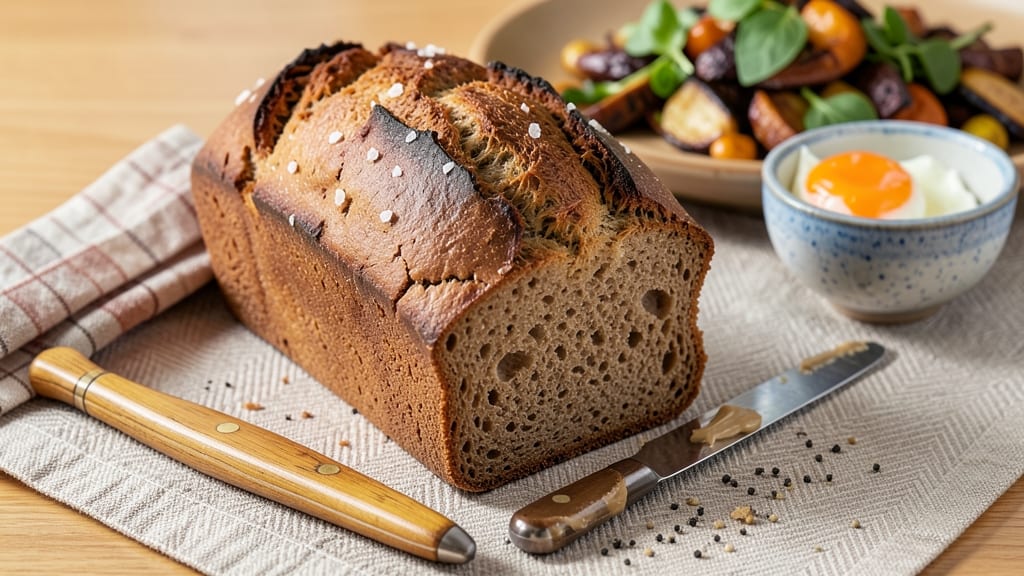
This American rye bread recipe delivers the perfect balance of tangy sweetness and deeply fermented crust that makes every slice unforgettable. The secret lies in a slow fermentation process that develops complex flavors while creating that signature dense yet tender crumb.
I've perfected this version after years of testing, using a combination of traditional rye techniques and modern shortcuts that still deliver authentic results.
The magic happens during the overnight fermentation, where the dough develops its signature sour flavor and open crumb structure.
We'll use a mix of dark rye flour for depth and all-purpose flour for structure, creating a bread that's hearty enough for sandwiches but still tender enough to enjoy on its own. The recipe includes a simple sour starter method that doesn't require maintaining a perpetual culture.
What you'll end up with is a loaf with a beautifully cracked crust that's slightly crispy on the outside and perfectly soft within. The interior will have that characteristic open crumb with pockets of air, and each slice will reveal layers of flavor from the caramelized sugars during baking.
This bread pairs beautifully with butter, cheese, or as the base for classic Reuben sandwiches.
The best part? This recipe makes two loaves, so you'll have fresh bread for days. We'll cover proper storage techniques to maintain freshness and share variations like adding caraway seeds or whole grains for extra texture. Let's get started on creating your perfect rye loaf.
Ingredients for american rye bread
These 11 ingredients transform into two loaves of deeply fermented rye bread with a tangy, sweet crust.
| Ingredient | Amount | Notes |
|---|---|---|
| Dark Rye Flour 🌾 | 2 cups | For deep rye flavor and density |
| All-Purpose Flour 🌾 | 1 cup | For structure and lightness |
| Active Dry Yeast 🍞 | ¼ tsp | Ensure it's fresh for fermentation |
| Granulated Sugar 🍚 | ½ cup | Feeds yeast and adds sweetness |
| Salt 🧂 | 1 ½ tsp | Diamond Crystal preferred |
| Warm Water 💧 | 1 ½ cups | 105-110°F for ideal yeast activation |
| Sour Starter 🍞 | 1 cup | Homemade or store-bought rye starter |
| Honey 🍯 | 1 tbsp | For fermentation and sweetness |
| Olive Oil 🫒 | 1 tbsp | Extra-virgin for richness |
| Cornmeal 🌽 | ¼ cup | For dusting bread pans |
| Sesame Seeds 🌱 | 1 tbsp | Optional for crust decoration |
The dark rye flour is non-negotiable—it's what gives this bread its signature depth and robust flavor. King Arthur or Bob's Red Mill are my go-tos for quality, but any dark rye flour will work. The all-purpose flour adds structure, so don't skip it—this isn't a 100% rye loaf, which can be too dense. For the sour starter, you can make your own by mixing 1 cup rye flour with 1 cup water and letting it ferment for 24 hours, or grab a jar from Whole Foods or a specialty bakery. The yeast and honey work together to kickstart fermentation, so make sure your yeast is fresh (test it in warm water with sugar—it should foam within 10 minutes).
No dark rye flour? Substitute with pumpernickel flour or even whole wheat flour in a pinch, though the flavor will be different. Running out of honey? Maple syrup or agave works just as well. The olive oil can be swapped for melted butter if you prefer, but trust me on the full-fat version for that extra richness. For the sesame seeds, any seed or even poppy seeds will add a nice textural contrast. If you're baking in a humid climate, reduce the water slightly—rye dough absorbs moisture fast. And if you're short on time, you can use instant yeast instead of active dry yeast.
This dough needs time—at least 12 hours of cold fermentation for maximum flavor. Shape the loaves and place them in the fridge overnight, covered. The next day, let them sit at room temperature for 1-2 hours before baking. Freshly baked rye keeps best in a paper bag at room temperature for 2-3 days. For longer storage, wrap tightly in plastic and freeze for up to 3 months. The crust gets crispier as it cools, so slice when fully cooled. Pro tip: Toast slices for that perfect crunch—it reheats beautifully in the toaster or oven.
Why You'll Love This Recipe
- No-Knead Nightmare Over: I swear by this recipe when I’ve had a long day—just mix, let it rise overnight, and bake. That dark rye flour gives it depth without demanding hours of my time, and the yeast does all the heavy lifting while I sleep.
- Deep, Earthy Crunch: That first bite? The rye’s tangy bite paired with the soft interior is chef’s kiss—like a cozy hug for your taste buds. Honestly, the sugar just enhances the rye’s natural richness without overpowering it.
- Weeknight Wonder Bread: Toss it in sandwiches, toast it for breakfast, or use it as a base for open-faced meals. It’s my go-to for quick lunches because it holds up to everything—from simple peanut butter to gourmet charcuterie.
- Budget-Friendly Staple: A single batch feeds my family for days, and the ingredients? Basic and cheap. Between us, this is the kind of bread that makes grocery bills feel lighter while keeping everyone full and happy.
Step-by-step instructions for American rye bread
Here's how to craft a deeply fermented loaf with that perfect balance of tangy and sweet—every slice will be worth the wait.
👨🍳 Step 1: Mix the Dough with Precision
In a large mixing bowl, combine the 2 cups Dark Rye Flour and 1 cup All-Purpose Flour. Add the 0.25 tsp Active Dry Yeast, 0.5 cup Granulated Sugar, and 1.5 tsp Salt, whisking until evenly distributed. This blend gives you the perfect marriage of dense rye flavor and light structure.
Create a well in the center and pour in the 1.5 cups Warm Water (tested at 105-110°F—too hot kills yeast, too cool slows fermentation). Add the 1 cup Sour Starter, 1 tbsp Honey, and 1 tbsp Olive Oil. Stir with a wooden spoon until a shaggy dough forms. Here's the thing—don't overmix. Just combine until no dry bits remain, then let it rest for 10 minutes while you prep your workspace.
🥘 Step 2: Knead and Develop Gluten
After resting, wet your hands slightly and knead the dough on a clean surface for 8-10 minutes. You're looking for smooth, elastic dough that springs back when poked. The dark rye flour makes this dough denser than standard bread, so don't fight it—just work it gently. If it feels too sticky, add 1 tablespoon flour at a time until it becomes manageable.
Here's where patience pays off: cover the dough with a damp towel and let it rest at room temperature for 1 hour. This initial bulk fermentation allows the gluten to relax and the flavors to meld. You'll notice it puff up slightly—this is your dough waking up and getting ready for its flavor journey.
🔥 Step 3: Cold Proof for Maximum Flavor
After the hour-long rest, shape the dough into a round loaf and place it in a lightly oiled bowl. Cover with plastic wrap and refrigerate for 12-16 hours. This cold proofing is non-negotiable—it develops the deep, tangy flavors that make this bread truly American rye. The cold slows fermentation, allowing for better flavor development and a more open crumb structure.
I know it's tempting to rush, but trust me—this step makes all the difference. When you remove the dough from the fridge, it should have nearly doubled in size. If it hasn't, give it another 1-2 hours at room temperature before proceeding. The dough should feel springy and jiggly when pressed gently.
🍳 Step 4: Shape and Bake to Golden Perfection
Preheat your oven to 375°F and place a baking stone or inverted baking sheet on the middle rack. Lightly grease a 9x5-inch loaf pan and dust it thoroughly with 0.25 cup Cornmeal. Turn the cold dough onto the floured surface and shape it into a rectangular loaf, about 2 inches thick. Transfer it seam-side up to the prepared pan.
Bake for 45-50 minutes until the top is deep golden brown and sounds hollow when tapped. The internal temperature should reach 205°F at the center. Real talk: don't open the oven door during baking—you'll lose heat and steam, which are crucial for that perfect crust. If the top browns too quickly, tent loosely with foil after 30 minutes.
⏰ Step 5: Cool and Finish with Crunch
Remove the bread from the oven and let it cool in the pan for 10 minutes, then transfer to a wire rack. Here's the final touch: while still warm, brush the top with a little olive oil and sprinkle with 1 tbsp Sesame Seeds for that classic rye bread crunch. Let it cool completely before slicing—this ensures clean cuts and prevents a gummy texture.
Your bread should have a dense yet tender crumb with a crisp crust and that signature tangy-sweet flavor. Each slice will be perfect for sandwiches or enjoyed on its own with a smear of butter. The best part? This bread improves over the next 2-3 days as the flavors continue to develop.
Pro Tips For Making American Rye Bread
- Bloom Yeast in Warm Milk: Skip the water—yeast wakes up faster in warm milk (about 110°F) than water, especially when paired with rye flour’s acidity. I learned this the hard way when my dough took three hours to rise the first time. Use ½ cup warm milk instead of water, and your yeast will activate in 5–10 minutes, not 20.
- Sift Dark Rye First: Dark rye flour is dense and clumpy—sift it before measuring to avoid pockets of dry dough. I used to just dump it in, and my loaves turned out uneven. Weigh it after sifting for accuracy, then mix in the all-purpose flour afterward. Trust me, your crumb will be smoother.
- Don’t Over-Knead the Dough: Rye dough is fragile—knead just until the ingredients come together (about 5–7 minutes by hand). Overworking it activates the gluten too much, and your bread will turn gummy. Stop when the surface is slightly tacky, not sticky or elastic.
- Steam the First 15 Minutes: Place a metal bowl of boiling water in your oven before baking, then add the loaf. The steam keeps the crust from darkening too fast and prevents a dry top. I was skeptical until I tried it—now my rye has a chewy crust without burning.
Perfect pairings for this american rye bread
Classic Sandwich Pairings
This rye bread shines as the foundation for iconic American sandwiches. For a Reuben, layer corned beef, Swiss cheese, Russian dressing, and sauerkraut, then toast until the cheese melts into a gooey blanket.
The tangy rye balances the richness perfectly. I always use Goldberg's corned beef for that authentic deli taste. 🥪
Try a Pastrami on Rye with mustard, pickles, and Swiss cheese—the dense crumb holds up beautifully to the juicy meat. For a vegetarian option, stack grilled portobello mushrooms, caramelized onions, and goat cheese with a drizzle of balsamic glaze.
The bread's deep flavor complements all these combinations.
Cheese and Charcuterie Boards
Slice the rye into thick pieces and arrange on a board with aged cheddar, brie, and blue cheese for a sophisticated spread. The bread's slight tang cuts through the richness of creamy cheeses while pairing beautifully with prosciutto or salami.
Add fig jam or honey for a touch of sweetness that enhances the rye's natural notes. 🧀
For a savory-sweet combo, pair with Gorgonzola, walnuts, and dried apricots. The bread's density makes it perfect for holding up to stronger cheeses without falling apart. I like to toast the slices lightly to add extra crunch before serving.
Breakfast Spreads
Rye bread is surprisingly versatile at breakfast. Top slices with scrambled eggs, avocado, and everything bagel seasoning for a hearty morning meal. The bread's robust flavor stands up to the creaminess of the eggs while adding a satisfying bite.
For a sweet option, spread with cream cheese and cinnamon sugar, then top with sliced apples or bananas. 🍳
My go-to is smoked salmon, cream cheese, and red onion on toasted rye—it's like a bagel but with deeper flavor. The bread's density prevents it from getting soggy, keeping every bite perfect. Add a sprinkle of dill or black pepper for extra brightness.
Sweet Toppings and Desserts
Don't underestimate rye's potential for sweet applications. Toast slices and top with Nutella, banana slices, and a sprinkle of sea salt for a decadent dessert. The bread's slight tang balances the sweetness beautifully.
For a more sophisticated treat, spread with ricotta cheese, drizzle with honey, and add candied pecans or chopped dates. 🍯
Try a rye bread pudding using stale slices soaked in milk, baked with vanilla custard, and topped with caramel sauce. The bread's dense texture gives the pudding perfect structure while adding a subtle rye flavor that enhances the sweetness.
Nutrition facts
Frequently asked questions
Why does this rye bread need cold fermentation?
The 12-16 hour cold proof develops the bread's signature tangy flavor and open crumb structure. Cold fermentation slows yeast activity, allowing enzymes to break down starches into sugars that caramelize during baking, creating that deep, complex taste. This step also improves gluten development for a better texture.
Can I make this without a sour starter?
Yes! Substitute the 1 cup sour starter with 1 cup buttermilk or plain yogurt for tanginess. For extra sourness, add 1 tablespoon apple cider vinegar to the water. The flavor won't be identical, but you'll still get a delicious rye loaf with less effort.
How do I fix dense or gummy rye bread?
Dense rye bread usually means overmixing or insufficient fermentation. Next time, knead gently and ensure the dough doubles during cold proof. For gummy texture, bake longer at 350°F until the internal temp reaches 205°F. Also check your flour - too much rye flour can make the crumb too dense.
What's the best way to store fresh rye bread?
Keep it in a paper bag at room temperature for 2-3 days to maintain freshness. For longer storage, wrap tightly in plastic and freeze for up to 3 months. Toast frozen slices for maximum freshness. The bread actually improves as it stales slightly - the flavors develop over time!
Can I add seeds or nuts to this recipe?
Add 1-2 tablespoons of seeds (sesame, poppy, flax) or chopped nuts (walnuts, pecans) to the dough during mixing. For extra texture, sprinkle them on top before baking. Just reduce the water slightly if adding moisture-heavy ingredients like chopped nuts.