
Desserts
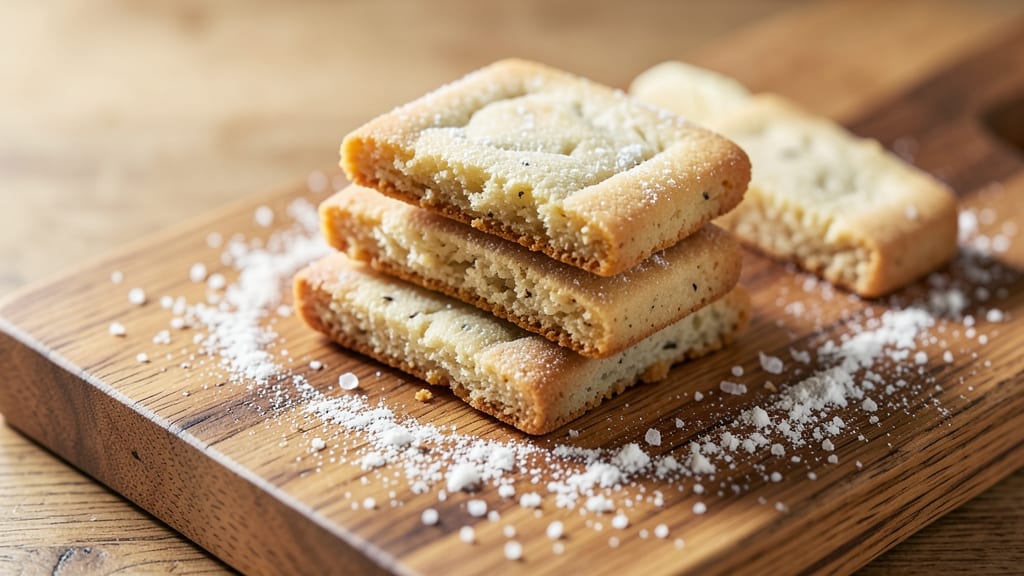
Alton Brown's shortbread cookie recipe delivers the perfect balance of crisp-edged and melting-center magic that makes these cookies irresistible. 💛 The secret lies in precise measurements and a chilled dough that ensures clean cuts and even baking.
I've tested this recipe countless times, and it never fails to impress—whether you're serving them at a holiday gathering or enjoying a quiet afternoon treat.
What sets Alton Brown's method apart is the attention to detail: cold butter, minimal mixing, and a rolling technique that guarantees uniform thickness. The dough must rest in the refrigerator for at least 30 minutes, allowing the gluten to relax and the flavors to meld.
This step is non-negotiable—it's the foundation of those signature crisp edges and tender crumb.
By the time these cookies emerge from the oven, they'll be golden and fragrant, with edges that crackle at the touch and centers that melt like butter.
The flavor is pure, buttery richness with just a hint of vanilla, making them the perfect canvas for dipping in chocolate or dusting with powdered sugar. This recipe is foolproof, and the results are undeniably restaurant-quality.
Once baked, let the cookies cool on the baking sheet for 5 minutes before transferring them to a wire rack. The residual heat ensures they finish cooking evenly, leaving you with cookies that are crisp around the edges and tender in the center every single time.
Serve warm for the ultimate indulgence.
Ingredients for alton brown shortbread cookie
Seven ingredients, endless magic—Alton Brown's secret to perfect shortbread is here.
| Ingredient | Amount | Notes |
|---|---|---|
| Unsalted Butter 🧈 | 1 lb | Cold, cut into cubes |
| All-Purpose Flour 🌾 | 2 cups | Sifted, plus extra for dusting |
| Granulated Sugar 🍚 | ¼ cup | Superfine preferred for smooth texture |
| Pure Vanilla Extract 🍯 | 1 tsp | High-quality for authentic flavor |
| Diamond Crystal Kosher Salt 🧂 | ½ tsp | Fine grain for even distribution |
| Vanilla Bean Paste 🌿 | ½ tsp | For deeper vanilla flavor |
| Powdered Sugar 🍚 | ½ cup | For dusting finished cookies |
The butter is non-negotiable. European-style unsalted butter (like Plugrá or Land O'Lakes European) has higher fat content, which is key for that signature crisp edge. Grab it from Whole Foods or Trader Joe's—they always stock the good stuff. Keep it cold until ready to use; if it softens, pop it in the freezer for 10 minutes. The flour? King Arthur or Bob's Red Mill for consistent results. Sift it before mixing to avoid lumps—this makes all the difference in texture. Pro tip: Use a food processor for the dough—it's faster than hand-mixing and ensures even distribution of butter.
No vanilla bean paste? Pure vanilla extract works fine, but if you're feeling fancy, scrape seeds from a vanilla bean into the dough. Superfine sugar isn't mandatory, but it dissolves better—regular granulated sugar works in a pinch (just pulse it in a food processor first). Running short on powdered sugar? Process granulated sugar in a blender until powdery. The salt is crucial—Diamond Crystal is my go-to because it dissolves more evenly than table salt. And if you're wondering about substitutions: butter must stay cold (no margarine or oil), and flour can't be swapped for almond or gluten-free blends—this recipe demands classic all-purpose.
This dough is a diva—it needs at least 30 minutes in the fridge to chill properly. Wrap it tightly in plastic wrap and press it flat for even thickness. Cookies keep in an airtight container for 5 days at room temperature, but honestly? They disappear faster than that. For a restaurant-quality touch, dust with powdered sugar right after baking—it adds that final wow factor. Freeze dough balls for up to 3 months if you're prepping ahead. Just let them sit at room temp for 10 minutes before baking.
Why You'll Love This Recipe
- Here’s what sold me: that crispy, snappy edge with a melt-in-your-mouth center. Alton’s method of using cold butter cut into the sugar and flour creates these little pockets of flavor—like biting into a cloud with a hint of vanilla warmth. Honestly, it’s the kind of cookie that disappears faster than you can say “second batch.”
- I’ll be real: this recipe saves me money. You’re using basic pantry staples—no specialty ingredients, no odd quantities. And the leftovers? They last forever in an airtight container. Plus, the dough keeps well, so I can make a big batch once and pull out cookies whenever the mood strikes. Budget-friendly, foolproof, and always a win.
Step-by-step instructions for Alton Brown's shortbread cookie recipe
Here's how to make these legendary cookies with perfect texture every time!
👨🍳 Step 1: Cut and Chill the Butter
Take the 1 lb unsalted butter and cut it into ½-inch cubes using a sharp chef's knife. This size ensures even distribution and proper chilling. Place the butter cubes in a freezer-safe container and freeze for 30 minutes to firm up completely.
Here's the thing—cold butter is non-negotiable for shortbread. If your butter feels soft or oily when you touch it, pop it back in the freezer for another 10 minutes. You want cubes that hold their shape when pressed. This chilling step prevents the cookies from spreading too much in the oven and guarantees that signature crisp edge.
👨🍳 Step 2: Mix the Dry Ingredients
In a medium bowl, whisk together the 2 cups all-purpose flour, 0.25 cup granulated sugar, 0.5 tsp Diamond Crystal kosher salt, 1 tsp pure vanilla extract, and 0.5 tsp vanilla bean paste until completely combined. I like to use a fork for this step—it helps break up any flour lumps more gently than a whisk.
Don't skip sifting the flour if you can help it. Those little air pockets create lighter cookies with better texture. If you don't have a sifter, just whisk vigorously for 30 seconds to aerate the flour. The vanilla bean paste adds that extra depth of flavor that makes these cookies truly special—trust me, it's worth the extra $3 for the jar.
🍳 Step 3: Combine Wet and Dry Ingredients
Add the chilled butter cubes to the dry ingredients and use a pastry cutter or your fingers to work them into the flour mixture until you achieve a crumbly, pea-sized texture. I press the butter pieces between my fingers to break them down—this ensures even distribution without melting the butter.
This is where the magic happens. You want the mixture to look like wet sand—just moist enough to hold together when pressed, but still crumbly. If it feels too dry, add 1-2 teaspoons of ice water (yes, ice water—it won't melt the butter). If it's too sticky, add 1 tablespoon more flour. The goal is that perfect crumbly consistency that holds together when you press it.
⏰ Step 4: Chill the Dough
Transfer the dough to a piece of plastic wrap and shape it into a 1-inch thick log. Wrap it tightly and refrigerate for at least 1 hour (I usually do 2 hours for best results). This chilling step is crucial—it firms up the dough so it holds its shape when you cut the cookies.
Real talk: Skipping this step is how you end up with cookies that spread into sad, flat puddles. The cold dough also means the butter stays solid long enough to create those beautiful crisp edges. While it chills, take out your cookie cutters and preheat your oven to 350°F. That's right—shortbread bakes at a lower temperature than most cookies, but it needs that gentle heat to develop properly.
🔥 Step 5: Cut and Bake to Perfection
Once the dough is properly chilled, roll it out on a lightly floured surface to about ¼-inch thickness. Use your cookie cutters to cut out shapes—classic rounds work, but I love the look of fancy cutters too. Place the cut cookies on a parchment-lined baking sheet, leaving ½-inch space between each one.
Bake for 12-15 minutes until the edges are just beginning to turn golden brown. Here's the critical part: They should look slightly underdone when you take them out. The centers will be pale, almost white, and that's exactly how you want them. Shortbread continues cooking as it cools, so you need to pull them out before they look fully done.
🍽️ Step 6: Cool and Dust
Let the cookies cool on the baking sheet for 5 minutes before transferring them to a wire rack. This brief cooling period prevents them from cracking when you move them. Once completely cool, dust the tops generously with the 0.5 cup powdered sugar using a fine-mesh sieve.
That final dusting is what gives these cookies their signature look and that little bit of sweetness that balances the buttery richness. Store them in an airtight container at room temperature for up to 5 days, or freeze for up to 3 months if you want to make them ahead. The flavor actually improves as they sit—trust me, they'll be even better tomorrow!
Pro Tips For Making Alton Brown Shortbread Cookie
- Chill the Dough Properly: I learned this the hard way—skipping the fridge step means your cookies will spread like they’re auditioning for a musical. Wrap the dough in plastic and stash it for at least 2 hours (overnight is better), or your shortbread will turn out more like a sad, buttery pancake than crispy squares.
- Cut Butter Cold: Your butter should be firm, not soft—like a block of ice cream, not a puddle. If it’s too warm, the dough will get gummy, and your cookies will lose that signature snap. Pulse it in the food processor until it’s pea-sized but still holds its shape, or grate it frozen for even better texture.
- Don’t Overmix the Dough: Two pulses in the food processor is all you need—any more, and you’ll develop the gluten like you’re making bread, not shortbread. The dough should look shaggy, not smooth, or your cookies will turn out tough instead of melt-in-your-mouth tender.
- Use a Sharp Knife for Cutting: A dull knife will crush the edges of your dough, leading to ragged, uneven cookies. Press down firmly with a sharp knife (or a bench scraper) and wipe it clean between cuts—this keeps your squares crisp and clean-edged, just like Alton’s.
Make-ahead tips for this dish
Dough Prep Ahead
Shape the dough into a log and wrap it tightly in plastic wrap. Store it in the refrigerator for up to 3 days or freeze for 3 months. I like to label my containers with the date to keep track.
When ready to bake, let the dough sit at room temperature for 20-30 minutes before rolling. This prevents cracking and ensures clean cuts. 🧊
Cookie Shaping
Roll out chilled dough to ¼-inch thickness on a floured surface. Use a 3-inch round cutter for classic shortbread or try heart shapes for holidays. Place cookies on parchment-lined sheets with ½-inch spacing—this prevents spreading during baking.
For extra flair, use a fluted edge cutter to create decorative borders. 🎨
Baking Strategy
Preheat your oven to 350°F and bake cookies in batches to avoid overcrowding. The first tray always takes the longest—rotate pans halfway through for even browning. Use the 12-minute mark as your guide: edges should be golden while centers remain pale.
Overbaking is the #1 mistake—I promise, they'll finish cooking off the sheet. 🔥
Storage Secrets
Cool cookies completely before storing in an airtight container with parchment between layers. They stay fresh for 5 days at room temperature. For longer storage, freeze baked cookies in a single layer first, then transfer to a freezer bag.
Reheat in a 350°F oven for 3-5 minutes to restore crispness. The flavor deepens over time—trust the process! ✨
Make-Ahead Baking
Shape dough into balls (about 1.5-inch diameter) and freeze on a tray for 1 hour. Transfer to a freezer bag and bake straight from frozen, adding 1-2 minutes to the time.
This is my go-to for holiday parties—just pull them out as needed. The frozen dough balls also make perfect hostess gifts when wrapped in parchment and tied with ribbon. 🎄
Flavor Boosts
Infuse the dough with ½ tsp lemon zest or 1 tbsp orange liqueur for a citrus twist. For spice lovers, add ¼ tsp cardamom or ½ tsp cinnamon to the dry ingredients.
Always taste the dough before baking—this is where you can adjust sweetness or extract levels. The key is balance: these cookies should taste like buttery perfection, not sugar overload. 💫
Nutrition facts
Frequently asked questions
Why does Alton Brown's shortbread dough need to chill so long?
The 1-2 hour chilling period is crucial for two reasons: First, it firms up the butter so it holds its shape when cutting, preventing those dreaded flat cookies. Second, it relaxes the gluten in the flour for a tender crumb. Skipping this step means your cookies will spread too much and lose that signature crisp edge. Think of it as the secret to restaurant-quality texture at home!
Can I use regular granulated sugar instead of superfine?
Yes, but with one key adjustment: pulse the ¼ cup granulated sugar in a food processor until it becomes powdery. Superfine sugar dissolves better, creating a smoother texture, but regular sugar works in a pinch. Just be prepared for slightly larger sugar crystals in the final cookie. The vanilla bean paste will still give you that rich flavor regardless!
What's the best way to store these cookies to keep them crisp?
Store them in an airtight container with parchment paper between layers to prevent sogginess. For maximum crispness, keep them at room temperature for up to 5 days. If storing longer, freeze the baked cookies in a single layer first, then transfer to a freezer bag. Reheat in a 350°F oven for 3-5 minutes before serving—this brings back that perfect crunch!
Why do my shortbread cookies turn out flat?
Flat cookies usually mean one of two things: either your butter wasn't cold enough (it melted too soon), or you skipped the chilling step. Always use cold butter cubes and chill the dough for at least 1 hour. Also, roll the dough to ¼-inch thickness—any thicker, and they'll bake unevenly. The 350°F oven temperature is perfect for proper rising!
Can I make these cookies without vanilla bean paste?
Use 1½ teaspoons of pure vanilla extract instead. While vanilla bean paste adds those tiny specks of vanilla flavor, quality extract delivers the same aromatic punch. Just make sure it's a good brand—cheap extract can taste harsh. The cookies will still be delicious, just with a slightly smoother vanilla flavor.