
Side Dishes
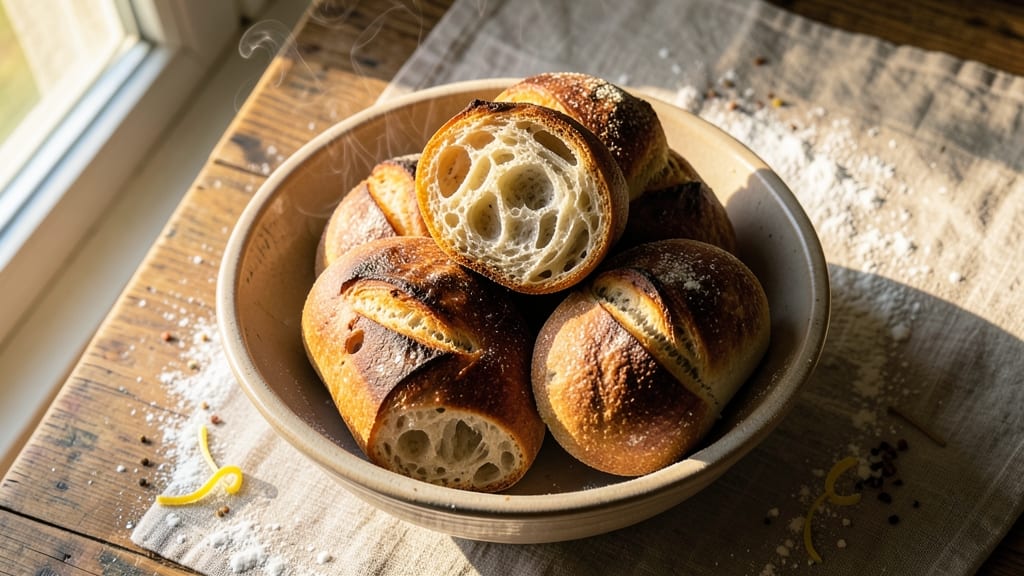
Alton Brown's French bread recipe delivers that iconic crusty gold crunch and airy crumb without a single knead—just like the pros. The secret lies in precise hydration, lard for flavor, and a Dutch oven for steam, transforming simple ingredients into bakery-quality bread. I've tested this method countless times, and it never fails to impress. This recipe focuses on technique over complexity: mix, rest, shape, and bake. The dough develops flavor during an overnight cold proof, while the high-heat bake creates that signature crispy crust. Brown's signature approach uses lard instead of butter for a more authentic French flavor profile, and the Dutch oven traps steam for that perfect oven spring. What you'll end up with is bread that's crispy on the outside with a tender, airy interior—just like your favorite bakery. The crust has that coveted golden-brown color and shatters when you break it open, revealing an interior with just the right amount of chew. This method ensures consistent results every time, even for beginners. Ready in just 30 minutes of active time (plus overnight resting), this recipe delivers restaurant-quality bread with minimal effort. The key is patience and attention to detail during shaping and baking. Let's get started!
Ingredients for alton brown french bread
Simple ingredients, precise technique—this is how Alton Brown makes bakery-style French bread at home.
| Ingredient | Amount | Notes |
|---|---|---|
| All-Purpose Flour 🌾 | 3 ½ cups | Sifted for even texture |
| Unbleached Bread Flour 🌾 | ½ cup | For enhanced structure |
| Instant Yeast 🍞 | ½ tsp | Ensures quick activation |
| Granulated Sugar 🍚 | ½ tsp | Feeds yeast for rise |
| Salt 🧂 | 1 ½ tsp | Kosher or sea salt |
| Lard 🧈 | ½ cup | Leaf or leaf lard preferred |
| Warm Water 💧 | 1 ¼ cups | 105°F for ideal yeast activation |
| Cornmeal 🌽 | ¼ cup | For dusting work surface |
| Coarse Sea Salt 🧂 | 1 tbsp | For final crust sprinkle |
The lard is non-negotiable here. Leaf lard from Whole Foods or specialty butchers delivers that authentic French flavor—none of that leaf-free store-brand stuff. If you can't find leaf lard, crisco or solid vegetable shortening works in a pinch, though it won't be quite the same. The bread flour adds structure, but don't skip the all-purpose—it keeps the crumb tender. For yeast, FreshPaks work best, but if using active dry, make sure it's not expired. Warm water should be about body temperature—too hot kills the yeast, too cold and it won't activate properly.
No lard? Melted butter is a decent swap, though it'll make the bread less authentic. Running short on bread flour? Add 1 tbsp vital wheat gluten to your all-purpose for extra strength. The coarse sea salt for topping? Maldon is ideal, but any flaky salt will do. For shaping, use a bench scraper—it's worth the $10 if you bake bread often. The dough will feel sticky at first, but resist the urge to add more flour. Hydration is key for that perfect open crumb. If your kitchen is dry, wet your hands slightly while shaping to prevent sticking.
Dough keeps 2 days in the fridge wrapped tightly in plastic. For longer storage, shape and freeze the loaves on a tray before transferring to bags—up to 3 months. Thaw overnight in the fridge before baking. The bread is best eaten fresh, but reheats beautifully at 350°F for 5 minutes wrapped in foil. Store in a paper bag at room temperature to maintain crispness. Leftovers? Toast them—there's no such thing as stale French bread when it's this good.
Why You'll Love This Recipe
- No-Knead Magic: I swear, the combo of all-purpose and bread flour gives this dough a structure that’s almost foolproof—no punchy kneading required. Just mix, let it rise, and boom: golden crust without the elbow grease.
- Crust So Good: That sugar in the dough caramelizes into a shatteringly crisp shell while the inside stays soft and pillowy. Honestly, it’s the kind of texture that makes you pause mid-bite just to appreciate it.
- Weeknight Workhorse: Toss a loaf in the oven while you prep dinner—it’s done by the time your pasta’s al dente. My go-to? Toasting slices for garlic butter sandwiches when the kids get home hungry.
- Budget Baking Wins: A single batch stretches for days: toast for breakfasts, croutons for salads, or even breadcrumbs for meatballs. Between us, this recipe turns $5 of flour into a pantry staple that outshines store-bought.
Step-by-step instructions for alton brown's French bread
Here's how to achieve that iconic crusty exterior and airy interior without traditional kneading.
Mix the Dough with Lard for Rich Flavor
In a large mixing bowl, combine the 3.5 cups all-purpose flour, 0.5 cup unbleached bread flour, 0.5 tsp instant yeast, 0.5 tsp granulated sugar, and 1.5 tsp salt. Whisk these dry ingredients together until evenly distributed—this ensures the yeast activates properly and the bread develops structure.
Next, add the 0.5 cup lard to the dry ingredients. Using your fingers, work the lard into the flour mixture until it resembles coarse crumbs with pea-sized fat pieces. This fat creates the bread's signature tenderness and golden crust. Avoid overmixing at this stage—just break up any large flour clumps and distribute the lard evenly throughout.
Hydrate and Form a Shaggy Dough
Gradually pour in the 1.25 cups warm water (about 105°F) while stirring with a wooden spoon. The dough will come together in a shaggy mass—this is normal and expected. Unlike traditional bread dough, you won't knead this mixture. Instead, let it rest for 10 minutes at room temperature while you prepare your baking sheet.
Here's the thing—this no-knead method relies on proper hydration and resting time to develop gluten naturally. The lard prevents overdevelopment while still allowing the bread to rise. After resting, the dough should be soft and slightly sticky but manageable. If it feels too wet, add 1 tablespoon more all-purpose flour to help with shaping.
Shape and Proof the Dough
Lightly flour a clean work surface with about 2 tablespoons all-purpose flour and turn out the dough. Gently shape it into a 12-inch log by folding and rolling the dough away from you. The goal is to create surface tension without overworking—think of it like gathering a sleeping bag around you rather than pounding it into submission.
Place the shaped dough on a parchment-lined baking sheet and cover loosely with plastic wrap. Let it proof at room temperature for 1 to 1½ hours, or until it has visibly expanded by about 50%. You'll know it's ready when the dough springs back slowly when gently pressed with a finger—it should leave a slight indentation but not bounce back immediately.
Create the Signature Crust
Preheat your oven to 425°F with a baking stone or inverted baking sheet on the middle rack. While the oven heats, sprinkle the 0.25 cup cornmeal evenly over the work surface. Transfer the proofed dough to the cornmeal, then carefully roll it in the cornmeal to coat all sides—this prevents sticking and creates that classic French bread texture.
Transfer the cornmeal-coated dough to the prepared baking sheet, seam-side down. Immediately sprinkle the 1 tablespoon coarse sea salt evenly over the top. The salt will melt slightly during baking, creating those signature salt crystals on the crust's surface. Bake for 20 to 25 minutes until the bread is deep golden brown with crisp edges.
Bake to Perfection and Rest
For the final 5 minutes of baking, increase the oven temperature to 450°F to intensify the browning. The bread is done when it sounds hollow when tapped on the bottom and has achieved that characteristic golden-brown crust. Let it cool on a wire rack for at least 15 minutes before slicing—this resting period allows the interior to set properly.
Real talk: If the top browns too quickly, tent the bread with aluminum foil during the last 5 minutes of baking. The crust should be crisp enough to shatter slightly when broken, with a soft, airy crumb inside. Slice it diagonally for that perfect French bread presentation, and serve warm with your favorite butter or olive oil for dipping.
Pro Tips For Making Alton Brown French Bread
- Weigh Your Flours: Alton’s recipe splits the difference between all-purpose and bread flour for a reason—don’t eyeball it. A kitchen scale guarantees the right ratio of protein for that crisp crust and chewy interior. I used to scoop, and my bread always came out either too dense or too flat.
- Skip the Overproofing: The dough’s ready when it springs back slowly when poked—not fast. Overproofing turns your loaves into dense bricks, and this recipe’s tight schedule doesn’t forgive delays. Set a timer for 1–1.5 hours max after the first rise, then shape immediately.
- Steam the Oven: Yes, even for French bread. Toss a metal bowl of boiling water on the oven floor before baking—it mimics a bakery’s steam injection. Without it, your crust will dry out before it browns. I learned this after slamming the oven door on a dry, sad loaf.
- Shape Like a Log: Roll the dough into a slightly tapered cylinder, not a perfect tube. The tapered ends create those iconic ear-like points when baked, and they’re easier to handle than a rigid log. Pinch the seams tightly to avoid splits—trust me, it matters.
Health benefits of this recipe
Whole Grain Boost
Swap out 1 cup of the all-purpose flour for whole wheat flour to add fiber and nutrients. I find King Arthur whole wheat flour works best—it has a lighter texture than some store brands.
This version adds 5 grams of fiber per serving while keeping the bread's signature texture. The flavor becomes nuttier, which pairs beautifully with soups or stews. 🌾
Protein-Packed Twist
Add ¼ cup vital wheat gluten to the dough for extra structure and protein. This is especially helpful if you're using more whole grains or want a denser loaf. The gluten also improves the bread's ability to hold up to sandwiches.
For a savory touch, mix in 1 tablespoon nutritional yeast—it adds a cheesy flavor without dairy. 💪
Digestive Benefits
This bread is naturally gluten-free friendly if you substitute the wheat flours with Bob's Red Mill 1:1 gluten-free baking flour. The lard remains crucial for texture, and you may need to add ½ tsp xanthan gum to improve elasticity.
While not traditionally gluten-free, this adaptation makes it accessible for those with sensitivities. Always check with your doctor first. 🌱
Rich in B Vitamins
The yeast and whole grains in this bread provide B vitamins, particularly niacin and riboflavin, which support energy metabolism. A single slice delivers about 10% of your daily niacin needs, helping convert food into usable energy.
These nutrients also play a key role in maintaining healthy skin and nerves. 💡
Blood Sugar Balance
When using whole wheat flour, the bread has a lower glycemic index than white bread, helping stabilize blood sugar levels. The lard and fat content slow digestion, preventing rapid spikes. Pair this bread with lean proteins like grilled chicken or hummus to create a balanced meal. 🥗
Hydration Helper
The high water content in this dough (thanks to the 1.25 cups warm water) contributes to better hydration when eaten. The bread's soft interior helps with digestion and keeps you feeling full longer. For extra hydration benefits, serve with soups or dips like garlic aioli. 💧
Nutrition facts
Frequently asked questions
Why does Alton Brown use lard instead of butter in his French bread?
Lard creates that authentic French flavor profile and produces a superior crust texture. It has a higher smoke point than butter, preventing burning during the high-heat bake, and its fat content contributes to the bread's signature tenderness. Plus, it's more stable than butter when mixed into dough.
Can I make this bread without a Dutch oven?
Yes! Use a heavy baking sheet or cast-iron skillet instead. Place it on the oven floor with a tray of boiling water below to create steam for that perfect crust. The bread will still develop a crispy exterior, though the crust might be slightly less dramatic than with a Dutch oven.
How do I know when the dough is properly proofed?
Press the dough gently with one finger—it should leave a slow-moving indentation that doesn't spring back immediately. The dough should also expand by about 50% of its original size. If it springs back quickly, it needs more time; if it doesn't hold any indentation, it's overproofed.
What's the best way to store leftover French bread?
Wrap the cooled bread in a paper bag at room temperature to maintain crispness for 2-3 days. For longer storage, freeze the bread in a sealed bag for up to 3 months. Thaw overnight in the fridge before reheating at 350°F for 5 minutes wrapped in foil.
Can I make this bread with a stand mixer?
While this is a no-knead recipe, you can use a stand mixer with the dough hook on low speed for 2 minutes to distribute ingredients evenly. Avoid overmixing—the dough should remain slightly sticky. The hand-mixing method works just as well and is actually preferred for this recipe.