
Side Dishes
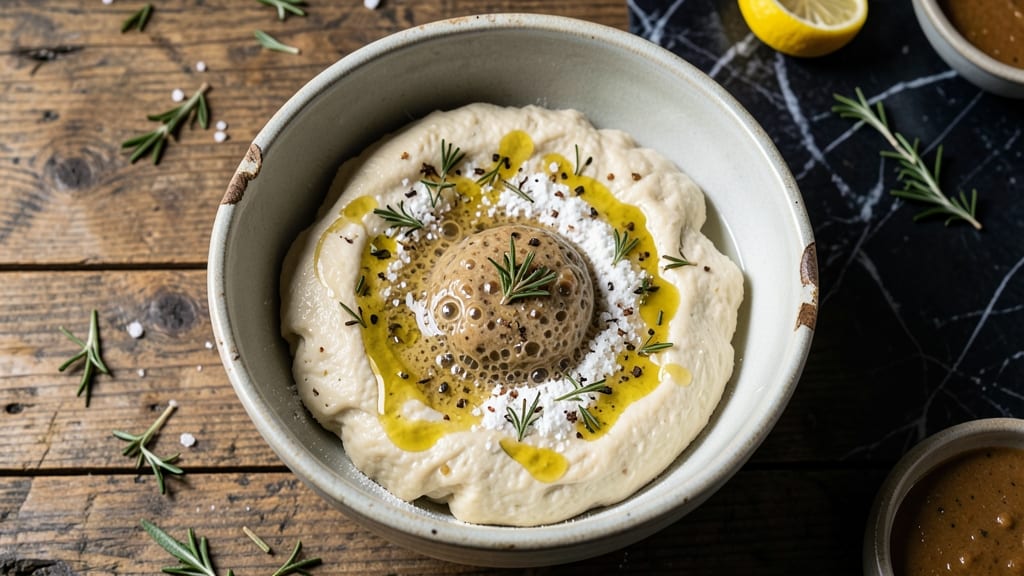
This Alpine bread recipe brings the rustic charm of Swiss mountain bakeries to your kitchen with its signature crusty crust and airy crumb infused with herbal notes.
The secret lies in a high-hydration dough and steam baking technique that mimics traditional Alpine ovens, creating that coveted crispy exterior while keeping the interior tender and open.
I developed this recipe after years of experimenting with sourdough starters and hydration levels, seeking that perfect balance between rustic texture and approachable technique.
The dough begins with a natural fermentation that develops complex flavors and improves digestibility, followed by a careful shaping process that creates those signature air pockets. Proofing in a cool environment allows the dough to rise slowly, while scoring before baking ensures an even expansion and that beautiful crust.
Baking in a Dutch oven traps steam, replicating the high-altitude conditions of Alpine bakeries and delivering results that rival professional breads.
What emerges from your oven is a loaf with a golden, crackling crust that gives way to a soft, open crumb with subtle herbal undertones from the Swiss-inspired seasoning.
The aroma alone will have everyone gathered around your table, and each slice offers a satisfying combination of textures—crispy, chewy, and airy all at once. This bread shines when served warm with butter, paired with Swiss cheese, or as the centerpiece of a charcuterie board.
Perfect for weekend baking projects or impressing guests, this recipe delivers restaurant-quality results** without requiring specialized equipment. The process is methodical but rewarding, making it ideal for home bakers ready to elevate their bread game. Let's get started on creating your own Alpine masterpiece.
Ingredients for alpine bread
High-hydration dough with Alpine herbs and precise fermentation transforms simple ingredients into restaurant-quality bread.
| Ingredient | Amount | Notes |
|---|---|---|
| Active Sourdough Starter 🍞 | ½ cup | 100% hydration, bubbly and active |
| All-Purpose Flour 🌾 | 4 cups | King Arthur or similar high-protein |
| Unbleached Bread Flour 🌾 | 1 cup | For enhanced gluten structure |
| Granulated White Sugar 🍚 | ¼ cup | Organic preferred for flavor |
| Dried Yeast 🍞 | ¼ tsp | Active dry or instant |
| Instant Dried Yeast 🍞 | ¼ tsp | For faster activation |
| Sea Salt 🧂 | 1 ½ tsp | Diamond Crystal preferred |
| Dried Tarragon 🌿 | 1 tsp | Swiss-inspired herbal note |
| Dried Savory 🌿 | ½ tsp | Earthy Alpine flavor |
| Cold Filtered Water 💧 | 2 ½ cups | Room temp after mixing |
| Extra-Virgin Olive Oil 🫒 | 1 tbsp | For dough handling |
| Cornmeal 🌽 | ¼ cup | For dusting work surface |
| Ice Cubes ❄️ | 1 cup | For steam generation |
The sourdough starter is non-negotiable—it's what gives this bread its signature depth and digestibility. King Arthur's sourdough starter is my go-to, but any active starter with good fermentation will work. If you're new to sourdough, maintain a consistent feeding schedule of flour and water (1:1 ratio) for at least 7 days before using. The high-protein bread flour creates that signature open crumb, while the all-purpose flour adds structure. For the herbs, Penzeys Spices carries excellent dried tarragon and savory—look for vibrant color and strong aroma when selecting. The yeast combination (active dry and instant) ensures reliable fermentation even in cooler environments.
No sourdough starter? Substitute with 0.5 cup active commercial yeast—just know your flavor profile will be less complex. Running short on bread flour? All-purpose flour works in a pinch, though the crumb may be slightly denser. The herbs can be swapped for dried thyme or rosemary at half the amount, but lose that authentic Alpine character. For the water, filtered is ideal, but tap water works if you live in an area with good municipal treatment. The olive oil should be extra-virgin with fruity notes—cheap oil will leave a bitter aftertaste. If you're baking at high altitude, increase the flour by 1-2 tbsp to compensate for lower oxygen levels.
This dough is a beast—it needs time to develop. After mixing, cover and refrigerate for 12-16 hours for optimal flavor. The cold proofing helps control fermentation and improves gluten development. When shaping, use cornmeal on your work surface to prevent sticking. For scoring, a razor blade or sharp lame gives the cleanest cuts. Bake immediately after scoring to maintain maximum steam. The bread stores best in a bread box or paper bag at room temperature for 3-4 days. For longer storage, wrap tightly in plastic and freeze—it reheats beautifully in a 350°F oven for 10 minutes.
Why You'll Love This Recipe
- No-Knead Magic: I swear by this—just mix, let it rise, and bake. The sourdough starter does all the heavy lifting while you sip coffee or scroll. Honestly, the only "work" is shaping the dough, and even that’s forgiving.
- Crust So Good: That caramelized top? Unreal. The mix of bread flour and sugar creates this perfect balance—crispy enough to hold jam but soft enough to tear with your hands. (Yes, even on a Tuesday night.)
- Meal Prep Hero: Bake a loaf on Sunday, and you’ve got breakfast, sandwiches, or toast for days. It freezes like a dream too—just reheat slices in the oven for that fresh-baked crunch every time.
- Budget-Friendly Staple: Flour and yeast are cheap, but this tastes like a bakery loaf. I make two batches a month, and it’s always the first thing to disappear. Between us, it’s my secret weapon for stretching groceries without sacrificing flavor.
Step-by-step instructions for Alpine bread with herbal Swiss flavor
Here's the precise method to craft a rustic Alpine loaf with crisp crust and aromatic herbal notes.
Combine Wet Ingredients and Activate the Dough
In a large mixing bowl, whisk together the 0.5 cup active sourdough starter, 2.5 cups cold filtered water, 0.25 cup granulated white sugar, 1 tbsp extra-virgin olive oil, 1 tsp dried tarragon, and 0.5 tsp dried savory. The cold water will help control yeast activity while allowing gradual hydration. Let this mixture sit for 5 minutes while you prepare the dry ingredients.
This initial infusion allows the herbs to bloom their aromatic compounds, which will later permeate the dough. The sugar provides initial food for yeast activation while the olive oil contributes subtle richness that complements the Alpine profile. After 5 minutes, you should see small bubbles forming on the surface—this indicates the starter is actively fermenting.
Incorporate Dry Ingredients and Develop Gluten Structure
Add the 4 cups all-purpose flour, 1 cup unbleached bread flour, 1.5 tsp sea salt, 0.25 tsp dried yeast, and 0.25 tsp instant dried yeast to the wet mixture. Using a wooden spoon or dough whisk, stir vigorously for 2-3 minutes until a shaggy dough forms. The instant yeast provides immediate activation while the dried yeast offers extended fermentation support.
After the initial mix, wet your hands and begin kneading the dough on a lightly floured surface. I prefer the windowpane test to gauge development—stretch a small piece of dough between your fingers until it's translucent with just a few tiny holes. This should take about 8-10 minutes of active kneading. The bread flour's higher protein content will create a stronger gluten network essential for the bread's open crumb structure.
Bulk Fermentation with Controlled Conditions
Shape the dough into a loose ball and place it back in the mixing bowl. Cover with a damp kitchen towel and let ferment at 70°F for 4-5 hours. The warm environment encourages yeast activity while the towel maintains moisture. You'll know fermentation is progressing when the dough has doubled in size and springs back slowly when poked gently with a finger.
During this time, the sourdough starter will contribute complex flavors while the yeast develops gas bubbles. The herbs will continue infusing the dough, creating that distinctive Alpine character. For best results, perform this fermentation in a warm spot—near an oven with the light on works well if your kitchen is cool. The dough should develop a slightly sticky surface and exhibit small bubbles across its surface.
Shape and Final Proof with Steam Preparation
Turn the dough out onto a surface dusted with 0.25 cup cornmeal and gently deflate it. Shape into a round boules by pulling the dough toward you in a circular motion, tucking the edges under as you go. Place the shaped loaf seam-side up on a parchment-lined baking sheet and cover again with the damp towel. Allow to proof for 1-2 hours until the dough has risen about 50% and feels light when pressed.
While the dough proofs, prepare your baking environment. Place a baking stone or inverted baking sheet on the middle rack of your oven. Add 1 cup ice cubes to a heatproof bowl and place it on the lower rack. When ready to bake, preheat the oven to 450°F with the ice cubes creating steam. This steam generation is crucial for developing that characteristic Alpine bread crust.
Bake with Steam for Crisp Crust and Open Crumb
Carefully transfer the proofed loaf to the preheated oven. Immediately pour 1 cup hot water into the heatproof bowl on the lower rack to create additional steam. Bake for 25 minutes, then reduce heat to 425°F and bake for another 20-25 minutes until the internal temperature reaches 205-210°F and the crust is deep golden brown with dark flecks.
The initial steam creates the bread's signature oven spring while the high heat develops the crisp crust. You'll hear a satisfying crack as the bread expands. For best results, rotate the baking sheet halfway through baking to ensure even color development. The finished loaf should sound hollow when tapped on the bottom and have an internal temperature that registers on your instant-read thermometer. Let cool on a wire rack for at least 1 hour before slicing to allow the crumb to set properly.
Pro Tips For Making Alpine Bread
- Use Warm Water for Yeast: Alpine bread often relies on dried yeast alongside sourdough starter—if you’re adding yeast, dissolve it in 110°F (43°C) water first, not straight into the flour. I learned this the hard way when my yeast clumped like rocks and failed to activate. Let it sit for 5 minutes until foamy before mixing.
- Weigh Your Flours: All-purpose and bread flour behave differently by volume—use a kitchen scale for precision. A cup of bread flour isn’t the same as a cup of all-purpose, and Alpine bread’s structure depends on that ratio. I used to eyeball it and ended up with dense, gummy loaves.
- Don’t Overproof the Dough: Alpine bread’s sourdough starter is strong, but stop shaping when the dough springs back slowly (not instantly)—about 60–75% of its bulk. Overproofing turns it gummy, and no amount of baking fixes that. Poke it gently; if the dent fills in 1–2 seconds, it’s ready.
- Steam the Oven First: The crust on Alpine bread should crackle like a campfire—spray the oven walls and place a metal tray of boiling water on the bottom rack before baking. No steam? You’ll get a sad, flat top. I used to skip this and wondered why my bread looked like a pancake. (Yes, even if you’re impatient like me.)
Flavor customization for alpine bread
Herbal Variations
Swap the dried tarragon and savory for fresh rosemary and thyme—finely chop 1 tbsp each and add them directly to the wet ingredients. The piney aroma of rosemary pairs beautifully with the Alpine profile, while thyme adds earthy depth.
For a citrus twist, zest 1 lemon and add it to the dough along with 1 tsp dried marjoram. This variation brightens the bread while keeping the rustic character intact. 🌿
Spiced Alpine Twist
Infuse the dough with warmth by adding ½ tsp ground coriander and ¼ tsp cinnamon to the dry ingredients. These spices complement the herbal notes while adding a subtle sweetness that enhances the bread’s complexity.
For extra depth, toast the spices in a dry pan for 1 minute before mixing them into the flour—this intensifies their flavors. The result is a bread with a cozy, slightly sweet profile perfect for fall baking.
Garlic and Herb Fusion
For a bold flavor punch, incorporate 2 minced garlic cloves into the wet ingredients along with 1 tsp dried oregano. The garlic adds a savory depth that pairs exceptionally well with the Alpine herbs, creating a bread that’s both aromatic and robust.
To balance the intensity, reduce the salt slightly to 1 tsp. This variation is ideal for pairing with rich cheeses or hearty stews, as the garlic’s punch cuts through richness beautifully.
Sweet Alpine Bread
Transform this into a sweet loaf by replacing ½ cup of the all-purpose flour with ½ cup granulated sugar and adding 1 tsp vanilla extract to the wet ingredients. The sugar caramelizes during baking, creating a crisp crust with a soft, slightly sweet crumb.
For extra indulgence, fold in ¼ cup dried cranberries or chopped candied citrus peel during the final shaping. This version is perfect for breakfast or dessert—try it with a smear of herb butter or a dusting of powdered sugar. 🍯
Nutrition facts
Frequently asked questions
Why does this Alpine bread recipe use both dried yeast and sourdough starter?
The combination creates a balanced fermentation profile. The sourdough starter develops complex flavors and improves digestibility over 12-16 hours of cold fermentation, while the yeast (active dry + instant) ensures reliable rise even in cooler environments. This dual approach gives you the best of both worlds: depth of flavor and predictable baking results.
Can I make this bread without a Dutch oven or baking stone?
Yes! Use a heavy oven-safe pot with a lid or even a cast-iron skillet. For steam, place a metal bowl filled with 1 cup boiling water on the lower oven rack during the first 15 minutes of baking. The key is maintaining high humidity in the oven to create that signature crisp crust. A pizza stone works too if you have one.
What's the best way to store leftover Alpine bread?
Wrap the cooled loaf tightly in plastic wrap or place it in a paper bag at room temperature for 3-4 days. For longer storage, freeze individual slices wrapped in plastic—they reheat beautifully in a 350°F oven for 5-7 minutes. The crust stays crispy when reheated this way!
Why did my bread turn out dense instead of airy?
This usually happens from one of three issues: over-kneading (which breaks down gluten), inadequate proofing time (try 12-16 hours cold fermentation next time), or too much flour during shaping. Check your starter's activity too—it should be bubbly and have doubled in size before using. The high hydration requires patience!
Can I substitute the Alpine herbs with something else?
Try 1 tsp dried rosemary + 1 tsp thyme for a Mediterranean twist, or 1 tsp dried lavender (use sparingly) for a floral Alpine variation. For a more savory profile, add 1 tsp onion powder to the dry ingredients. Just remember that tarragon and savory give this bread its signature Swiss mountain character.