
Desserts
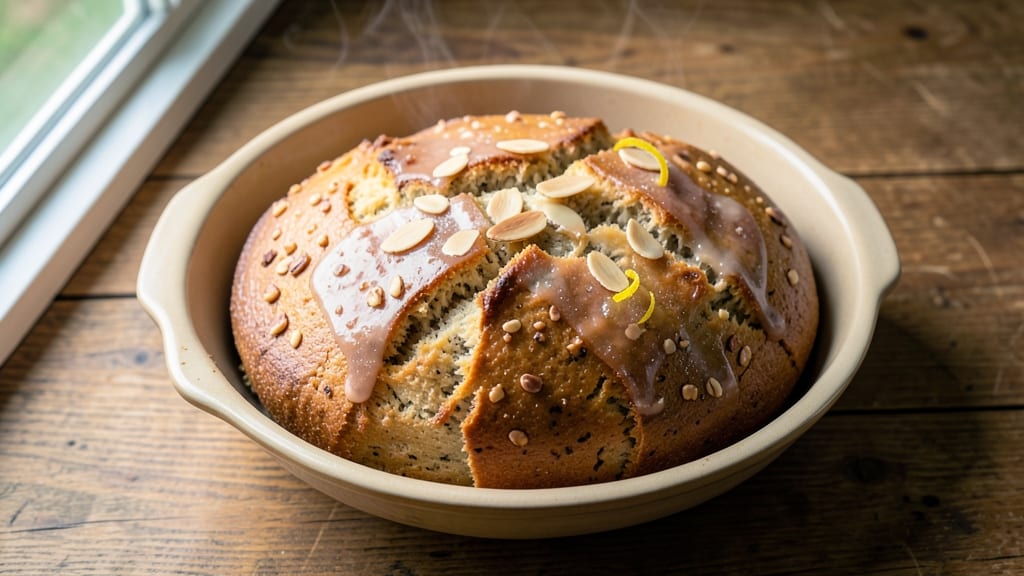
This almond tea bread recipe delivers a moist, fragrant loaf that balances nutty richness with bright citrus notes—perfect for afternoon tea or breakfast. The secret lies in combining ground almonds with warm spices and a touch of lemon zest, creating a tender crumb that stays fresh for days.
I’ve baked this version countless times, and it never disappoints, whether served plain or drizzled with a light glaze.
The recipe starts with a simple batter of flour, butter, and eggs, but the almonds and tea infusion elevate it to something extraordinary. A 350°F oven ensures even baking, while the citrus zest adds a refreshing contrast to the toasty almond flavor.
The result? A loaf with a perfectly moist interior and a lightly golden crust, ideal for slicing into thick, satisfying pieces.
What makes this recipe stand out is its versatility—enjoy it fresh from the oven, toasted with butter, or paired with a cup of Earl Grey tea. The almonds add texture, while the tea and citrus create a harmonious balance of flavors.
No special equipment is needed, just a standard loaf pan and a little patience for the baking process.
Once baked, let the loaf cool slightly before slicing to maintain that moist texture. Store leftovers wrapped in a cloth or airtight container to keep them tender. This recipe is a classic for a reason—simple yet impressive, comforting yet refined. Let’s get baking!
Ingredients for almond tea bread
Simple ingredients crafting a tender, fragrant loaf with nutty depth and citrus brightness.
| Ingredient | Amount | Notes |
|---|---|---|
| All-Purpose Flour 🌾 | 2 ½ cups | Sifted for even texture |
| Ground Almonds 🥜 | 1 ½ cups | Finely ground for texture |
| Unsalted Butter 🧈 | 1 cup | Softened to room temperature |
| Granulated Sugar 🍚 | 1 cup | Light brown sugar works too |
| Large Eggs 🥚 | 2 whole | Room temperature for blending |
| Earl Grey Tea ☕ | ¼ cup | Loose-leaf or steeped bags |
| Lemon Zest 🍋 | 2 tbsp | Freshly grated for brightness |
| Vanilla Extract 🌸 | 1 tbsp | Pure vanilla preferred |
| Baking Powder 🍞 | 2 tsp | Freshly opened for lift |
| Ground Cinnamon 🌿 | 1 tsp | Warm spice for depth |
| Salt 🧂 | ½ tsp | Fine sea salt preferred |
| Milk 🥛 | ½ cup | Whole milk for richness |
| Almond Extract 🥜 | ½ tsp | Pure almond flavor |
The ground almonds are the star here—blend your own for the best texture, or grab pre-ground from the baking aisle. Bob’s Red Mill or Trader Joe’s carry excellent quality. For the tea, Earl Grey is ideal, but any black tea with bergamot works. Steep 2 bags in 1/4 cup hot water, then cool completely before adding to the batter. The butter should be soft but not melted—press a finger into it to test. If it leaves a slight indent, you're good. Freshly grated lemon zest makes all the difference; avoid pre-zested bottles—they’re often dried and lack brightness.
No almond extract? Vanilla extract at double the amount works in a pinch, though the flavor won’t be identical. Running short on Earl Grey? English Breakfast or Darjeeling both add depth, just steep them longer for stronger flavor. For a dairy-free version, substitute the milk with unsweetened almond milk, though the texture may be slightly less tender. The baking powder must be fresh—if it’s over a year old, test it first by mixing with water; it should bubble vigorously. If not, toss it and buy new. The lemon zest can be prepped ahead and stored in the freezer for up to 3 months in a sealed container.
This loaf keeps beautifully—3-4 days at room temperature wrapped in a clean kitchen towel, or 1 week in the fridge for maximum freshness. For longer storage, slice and freeze individual portions on a tray before transferring to a bag—3 months is standard. The first slice is always the best, but the loaf reheats well: wrap a slice in foil and warm for 10 seconds in the microwave. Pair with your favorite tea for the full experience.
Why You'll Love This Recipe
- No-Fuss Mixing: I swear by this recipe because it’s three bowls max—just flour, almonds, and butter creamed together. No yeast fuss, no waiting for dough to rise, and the eggs bind it all so effortlessly. Honestly, I’ve made it in my pajamas while scrolling through my phone.
- Buttery Nutty Magic: That ground almonds-to-butter ratio? It’s the secret weapon. The bread stays moist but never greasy, with a subtle crunch from the almonds and a melt-in-your-mouth softness from the sugar and eggs. (Yes, even on a Tuesday night.)
- Breakfast or Snack: Slice it thick for a hearty morning toast with jam, or cut it thin for tea-time crumbs. The neutral flavor soaks up anything—citrus glaze, honey, or even a smear of peanut butter. I’ve fed a crowd with this in five minutes flat.
- Lasts All Week: The butter and almonds keep it fresh for days, so I bake a loaf on Sundays and grab slices for lunches or midnight cravings. No sad, stale bread here—just consistently good, no-waste comfort. (My wallet thanks me.)
Step-by-step instructions for almond tea bread
Here's how to create a tender, fragrant loaf with perfect texture and citrus brightness.
Prepare the Tea Infusion
Steep 2 bags of Earl Grey tea in ½ cup of boiling water for 5 minutes until fully infused. Let it cool to room temperature, then strain out the tea leaves. This infusion adds depth and moisture to the bread.
In a small bowl, combine the cooled tea infusion with the ½ cup milk and ½ teaspoon almond extract. Mix gently to integrate the flavors. This liquid mixture will create a rich, aromatic base for your batter.
Cream Butter and Sugar
In a large mixing bowl, beat the 1 cup softened unsalted butter and 1 cup granulated sugar together on medium speed for 3-4 minutes until light and fluffy. You'll notice the mixture nearly doubles in volume and becomes pale in color.
This creaming process incorporates air into the batter, which helps create a tender crumb. Scrape down the sides of the bowl occasionally to ensure even mixing. The butter should be softened but not melted—press your finger into it to check.
Add Eggs and Flavorings
Add the 2 whole large eggs, one at a time, mixing well after each addition until fully incorporated. Then stir in the 1 tablespoon vanilla extract, 2 tablespoons lemon zest, and the tea-milk mixture.
Next, whisk together the 2.5 cups all-purpose flour, 1.5 cups ground almonds, 2 teaspoons baking powder, 1 teaspoon ground cinnamon, and ½ teaspoon salt in a separate bowl. Gradually add this dry mixture to the wet ingredients, mixing on low speed just until combined.
Bake to Golden Perfection
Preheat your oven to 350°F and grease a 9x5-inch loaf pan thoroughly. Pour the batter into the prepared pan and smooth the top with a spatula. Bake for 50-55 minutes or until a toothpick inserted in the center comes out clean.
For the final 10 minutes of baking, tent the loaf with aluminum foil if the top begins to brown too quickly. This prevents over-browning while ensuring the bread cooks through evenly. The bread should have a golden-brown crust and a moist, tender interior.
Cool and Serve
Remove the bread from the oven and let it cool in the pan for 10 minutes. Then transfer it to a wire rack to cool completely. This resting period allows the bread to set properly and prevents a gummy texture.
Slice the bread while still slightly warm for the best texture. The finished loaf should have a tender crumb with subtle almond flavor and bright citrus notes. Store leftovers wrapped in plastic at room temperature for up to 3 days or freeze for longer storage.
Pro Tips For Making Almond Tea Bread
- Pulse Those Almonds: DESCRIPTION: Don’t just dump ground almonds straight from the bag—pulse them in your food processor for 10-15 seconds first. This breaks up any clumps and ensures they distribute evenly in the batter, so every bite has that nutty richness without dry pockets. (Yes, even if the package says "pre-ground.")
- Cream Butter Cold: DESCRIPTION: Take the butter straight from the fridge—no softening at room temp. Cold butter creates air pockets when creamed with sugar, giving your bread that light, fluffy texture. If it’s too soft, chill the bowl for 10 minutes mid-creaming. Trust me, your bread will thank you.
- Don’t Overmix the Batter: DESCRIPTION: Once the flour and almonds are combined, stop mixing after just 30 seconds. Overmixing develops gluten, and this bread should be tender, not chewy. Fold in the wet ingredients gently—like you’re tucking in a blanket, not punching it.
- Test for Doneness Early: DESCRIPTION: This bread’s done when the top springs back slowly when pressed, not instantly. If you wait for the toothpick test, you’ll end up with a dry crumb. Pull it out when the edges pull away from the pan and the center holds a light crumb—it’ll keep baking with residual heat.
Troubleshooting this recipe
Dense Batter?
If your batter looks too thick to spread easily, you likely overmixed the dry ingredients or didn’t soften the butter enough. First, ensure your butter is room temperature—it should dent when pressed but not be greasy.
If the batter is still too thick after mixing, whisk in 1-2 tablespoons of milk at a time until it reaches a smooth, pourable consistency. Overmixing can also develop gluten, making the bread dense, so mix just until combined. 🥄
Flat Top?
A flat top usually means your oven isn’t hot enough or the batter wasn’t leveled properly. Preheat your oven for at least 15 minutes before baking to ensure it reaches 350°F. After pouring the batter, use an offset spatula to smooth the top evenly.
If the oven runs hot, tent the loaf with foil after 30 minutes to prevent over-browning while allowing the center to cook through.
Dry Texture?
A dry loaf often results from overbaking or using too much flour. To avoid this, bake until a toothpick comes out with moist crumbs (not completely clean). If your bread turns out dry, try adding 1 tablespoon of milk or melted butter to the batter next time.
Also, ensure your ground almonds are finely ground—they absorb moisture, so coarser almonds can make the bread drier. Store leftovers in an airtight container with a slice of bread to keep them moist. 💧
Soggy Bottom?
This classic baking issue happens when steam escapes too quickly, causing the bottom to collapse. To fix it, place a small baking sheet under the loaf pan to reflect heat upward. You can also add a thin layer of water to the baking sheet to create steam.
Grease the pan thoroughly and dust it with flour to prevent sticking. If the bottom is already soggy, slice off the affected portion and toast the rest to restore crispness. 🔥
Pale Crust?
A pale crust usually means the bread didn’t bake long enough or the oven temperature was too low. Increase baking time by 5-10 minutes and check the oven temperature with an oven thermometer—it might be running 25°F cooler than set.
For a golden finish, broil the loaf for 1-2 minutes at the end, watching closely to avoid burning. A lightly browned crust is ideal for this tender bread, but a deeper color adds visual appeal. 🌟
Almonds Sink?
If your almonds sink to the bottom, they weren’t incorporated evenly into the batter. Fold them in gently with a spatula after mixing the wet and dry ingredients.
For extra insurance, toast the ground almonds for 3-5 minutes at 350°F before adding them to the batter—they’ll stay suspended better and add a nutty aroma. If they still sink, reduce the amount of flour slightly to lighten the batter. 🥜
Nutrition facts
Frequently asked questions
Can I substitute whole almonds for ground almonds in this recipe?
Whole almonds won't work the same way—they need to be finely ground to distribute evenly and create that signature tender texture. If you only have whole almonds, pulse them in a food processor until they resemble coarse sand. For best results, toast them first at 350°F for 5 minutes to enhance their flavor.
Why does my almond tea bread taste bitter?
Bitterness usually comes from over-baking or using too much lemon zest. The bread should bake until a toothpick comes out with moist crumbs (not clean). For the zest, stick to 2 tablespoons—any more can overwhelm the sweetness. If it's already baked, try balancing the flavor with a light glaze of powdered sugar and milk.
Can I make this bread without eggs?
Yes! Replace the 2 eggs with 2 tablespoons ground flaxseed mixed with 6 tablespoons water (let it sit for 5 minutes to thicken). For extra moisture, add 1 tablespoon extra milk to the batter. The texture will be slightly denser but still delicious.
How do I store almond tea bread for maximum freshness?
Wrap the cooled loaf tightly in plastic wrap or place it in an airtight container. For 3-4 days, store at room temperature. For longer storage, slice and freeze portions on a tray before transferring to a bag—this prevents freezer burn. To revive, toast slices for 10 seconds in the microwave or warm in a 300°F oven for 5 minutes.
What's the best tea to use if I don't have Earl Grey?
Any black tea with bergamot works, but English Breakfast or Darjeeling are great substitutes. For herbal options, try chamomile or hibiscus—steep them longer (up to 10 minutes) for stronger flavor. Avoid green teas, as their delicate taste may not complement the almonds as well.