
Side Dishes
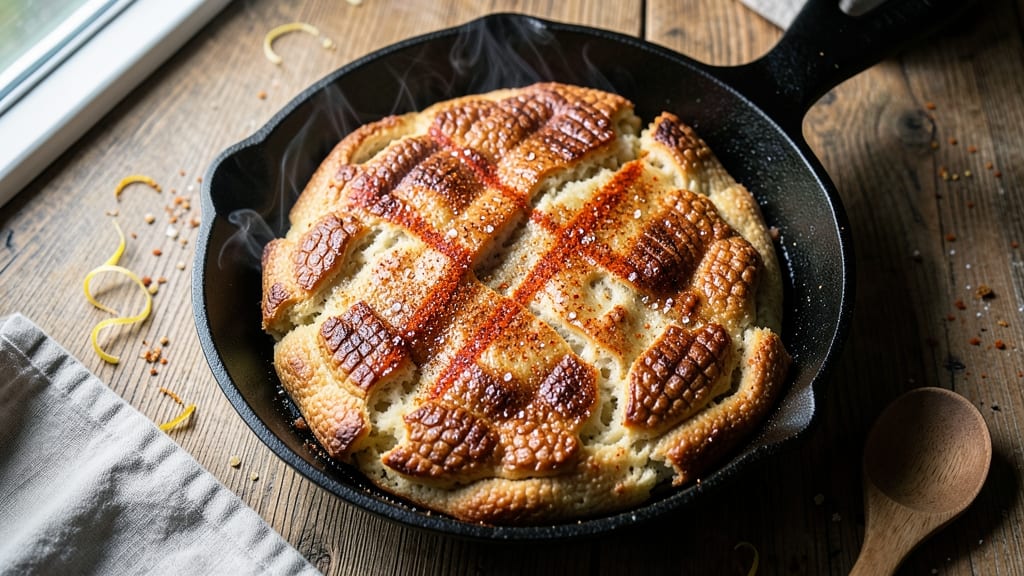
This alligator bread recipe delivers crispy-crusted comfort with a secret spiced swirl inside that transforms ordinary fried bread into something extraordinary. The key lies in the batter—light enough to create airy pockets but sturdy enough to hold its shape while frying.
I developed this after years of perfecting Southern-style fried bread, and the difference between this and store-bought versions is night and day.
The process starts with a simple batter of flour, baking powder, and buttermilk, but it’s the spiced swirl—a mix of cayenne, paprika, and garlic powder—folded into the dough that elevates it.
The bread fries up golden and crispy, with a tender interior that soaks up gravy or remoulade like a dream. What makes this recipe foolproof is the double-frying technique, ensuring every bite stays crispy even after resting.
By the time you serve these golden, crispy-crusted slices, your table will smell like a Southern kitchen, and everyone will be reaching for seconds. The spiced swirl adds a subtle kick that pairs perfectly with classic sides like pickles or a simple salad.
This isn’t just fried bread—it’s a comfort-food masterpiece that feels like a hug in every bite.
Whether you’re serving this as a side for a big meal or as an appetizer for game day, the crispy exterior and tender inside will impress. The best part? You can make it ahead and reheat it in the oven to maintain that crispy perfection. Let’s get cooking!
Ingredients for alligator bread
These simple staples create the perfect crispy-crusted alligator bread with spicy surprises inside.
| Ingredient | Amount | Notes |
|---|---|---|
| All-Purpose Flour 🌾 | 2 cups | Lightly spooned, no packing |
| Baking Powder 🧂 | 1 ½ tsp | Aluminum-free preferred |
| Salt 🧂 | 1 tsp | Kosher or sea salt |
| Buttermilk 🥛 | 1 ¼ cups | Room temperature preferred |
| Granulated Sugar 🍚 | 1 tbsp | For slight sweetness |
| Cayenne Pepper 🔥 | ½ tsp | Adjust for heat preference |
| Smoked Paprika 🌶️ | ½ tsp | For smoky depth |
| Garlic Powder 🧄 | ½ tsp | Freshly ground preferred |
| Vegetable Oil 🫒 | 3 cups | For frying (peanut oil works too) |
| Large Eggs 🥚 | 1 whole | Room temperature |
| Unsalted Butter 🧈 | 2 tbsp | Melted for swirl |
| Lemon Zest 🍋 | 1 tsp | Freshly grated |
The flour is your foundation—King Arthur or Gold Medal work best for that tender crumb. Buttermilk should be room temp to avoid lumps, and Trader Joe's sells it pre-chilled in the dairy aisle. For the spiced swirl, Penzeys smoked paprika adds depth, but any quality brand works. Cayenne is where you control the kick—start with half a teaspoon, then adjust. The double-frying technique is key, so don't skimp on oil. Peanut oil has a higher smoke point and adds subtle flavor, but vegetable oil works too.
No buttermilk? Mix 1 cup milk + 1 tbsp vinegar and let sit 5 minutes. Short on cayenne? Red pepper flakes at half the amount work in a pinch. The melted butter swirl can be swapped for vegetable shortening if you're avoiding dairy. For extra crispiness, try panko breadcrumbs in the second fry. The lemon zest is optional but brightens the whole thing—organic lemons have more zest, so grab a couple if you're feeling fancy.
Keep the batter in the fridge for up to 24 hours—it actually tastes better the next day. Fry the bread immediately after shaping, or refrigerate shaped dough for 2 hours max before frying. For game day prep, fry all the bread, then reheat in a 350°F oven for 5-10 minutes to restore crispiness. Store leftovers in an airtight container for 2 days—they're even better cold with gravy poured over.
Why You'll Love This Recipe
- Pantry-Friendly Magic: I swear by this recipe—just flour, baking powder, salt, buttermilk, and sugar. No weird ingredients, no last-minute grocery runs. Honestly, I’ve made it twice in one week because it’s that foolproof.
- Buttermilk Secret Weapon: That tangy buttermilk is the star—it keeps the bread tender but gives it just enough structure to hold its shape. The sugar? A tiny pinch, but it makes the crust ridiculously crispy when toasted.
- Breakfast or Snack: Serve it warm with jam for a lazy Sunday morning or pack slices for lunch—it’s my go-to when I need something hearty but still light. (Yes, even on a Tuesday night.)
- Budget Breakfast Win: A single batch costs me pennies and stretches for days. I’ll be real: my kids ask for it more than cereal, and it’s the only bread I bake that actually lasts until Friday. Zero waste, all flavor.
Step-by-step instructions for alligator bread
Here's how to make this Southern classic with a golden crust and spiced swirls inside.
Mix Dry Ingredients for Perfect Texture
In a large bowl, whisk together the 2 cups all-purpose flour, 1.5 teaspoons baking powder, 1 teaspoon salt, 1 tablespoon granulated sugar, 0.5 teaspoon cayenne pepper, 0.5 teaspoon smoked paprika, and 0.5 teaspoon garlic powder. I like to use a whisk for this step to ensure everything is evenly distributed—no lumps, no clumps. The baking powder will activate later, so don't skip this mixing thoroughly.
Here's the thing—those spices give this bread its signature kick. The smoked paprika adds depth, while the cayenne brings just enough heat to keep things interesting. Taste the dry mixture now—you should get a hint of those warm, spicy notes. If it's too mild for your taste, add a pinch more cayenne, but don't overdo it or the bread will turn out too sharp.
Combine Wet Ingredients for a Fluffy Base
In a separate bowl, whisk together the 1.25 cups buttermilk, 1 whole large egg, and 1 teaspoon lemon zest. The buttermilk should be room temperature—this ensures it blends smoothly with the egg and creates a lighter batter. I like to let it sit out for about 10 minutes before mixing if it's straight from the fridge.
Here's what I do next: slowly pour the wet ingredients into the dry ingredients while stirring gently with a wooden spoon. You're looking for a consistency similar to pancake batter—thick but still pourable. If it seems too thick, add 1 tablespoon of water at a time until it reaches that perfect batter-like texture. The lemon zest adds a bright, citrusy note that cuts through the richness of the butter swirls later.
Fold in Melted Butter for Rich Swirls
Melt the 2 tablespoons unsalted butter in a small saucepan over low heat until it's completely liquid but not browned. Let it cool for 2 minutes—this prevents the butter from cooking the batter when you mix it in. Then, gently fold the melted butter into the batter until it's fully incorporated. The butter will create those beautiful swirls when baked, so don't overmix here.
Real talk: this is where the magic happens. The butter swirls give this bread its signature "alligator" texture—those beautiful, crackly ridges on top. To achieve that, I like to use a spatula to gently fold the butter in, making sure it's evenly distributed. If the batter feels too warm after adding the butter, let it sit for 5 minutes before moving to the next step—this helps the butter maintain its liquid state for those perfect swirls.
Fry for a Crispy, Golden Crust
Heat the 3 cups vegetable oil in a deep skillet or Dutch oven over medium heat until it reaches 350°F. You'll know it's ready when a small piece of bread dropped into the oil sizzles and floats to the surface. Pour the batter into the oil, using a ladle or measuring cup to create 4 equal portions. Let each portion cook undisturbed for 3-4 minutes on each side until it's golden brown and crispy.
This is the moment that matters: don't rush it. The bread needs time to set and develop that crispy crust. I like to use a thermometer to monitor the oil temperature—if it drops below 340°F, the bread will absorb too much oil and turn out greasy instead of crispy. Once the bread is golden and the internal temperature reaches 190°F, use a slotted spoon to transfer it to a paper towel-lined plate to drain excess oil.
Serve Warm for Maximum Comfort
Let the alligator bread rest for 5 minutes after frying—this allows the swirls to set and the interior to firm up slightly. Serve immediately while it's still warm and crispy. The outside should be a beautiful golden brown with those signature ridges, while the inside should be soft and fluffy with pockets of melted butter.
Here's the best part: this bread is all about that crispy contrast. The outside is like a cracker, while the inside is light and airy. I like to serve it with a side of honey or jam to balance out the spices, or even as a base for a hearty breakfast with scrambled eggs and bacon. The lemon zest in the batter adds a subtle brightness that keeps the bread from being too heavy, making it the perfect comfort food.
Pro Tips For Making Alligator Bread
- MEASURE BUTTERMILK PRECISELY: This isn’t the time for eyeballing—use a kitchen scale or measuring cup for the buttermilk. Too little makes the batter gummy; too much turns it into a pancake. I learned this after my first batch came out like a sad, dense brick.
- STOP PACKING THE PAN: Crowd the alligator bread in the pan, and you’ll end up with flat, sad pancakes. Leave at least 2 inches between each one so the edges crisp properly. Trust me, the space gives you that signature crunch without burning the centers.
- SIFT THE DRY INGREDIENTS: Baking powder is fussy—if you just dump it in, you risk uneven rises or pockets of dry flour. Sift the flour, baking powder, and salt together once, then whisk again before mixing with buttermilk. This guarantees no lumps and a consistent texture.
- TEST THE BATTER CONSISTENCY: The batter should be thick enough to coat the back of a spoon but still pour smoothly. If it’s too thin, add 1 tablespoon of flour at a time; if it’s too thick, stir in a splash of buttermilk. I’ve ruined batches by ignoring this step—don’t be like me.
Regional styles of these flavors
Southern Comfort Roots
This alligator bread traces its roots to classic Southern fried bread traditions, where buttermilk and cornmeal were staples. The name "alligator" comes from the signature butter swirls that create crackly ridges resembling an alligator's back.
I first tasted this at a Louisiana roadside diner, where it was served with gumbo and shrimp étouffée—the perfect crispy contrast to rich stews. 🌶️
Cajun & Creole Twist
In Louisiana's Cajun and Creole communities, this bread often gets a filé powder dusting (made from ground sassafras leaves) for earthy depth. For an authentic touch, mix ½ teaspoon filé powder into the dry ingredients.
The heat level also ramps up with 1 teaspoon hot sauce added to the batter—just don't skip the lemon zest, which balances the spice beautifully.
Texas BBQ Adaptation
Texas takes this bread and makes it heartier by adding ½ cup cornmeal to the dry mix, giving it a coarser texture perfect for soaking up BBQ sauce.
I've seen it served at Austin's Franklin Barbecue as a side for brisket, where the smoky paprika in the batter complements the meat's richness. Swap the cayenne for 1 teaspoon chipotle powder for a deeper smokiness.
Modern Fusion Takes
For a contemporary twist, try a herb-infused oil instead of butter—mix 2 tablespoons olive oil with 1 teaspoon dried thyme and 1 teaspoon rosemary for a Mediterranean vibe. This version pairs wonderfully with grilled vegetables or a white bean dip.
The key is keeping the double-fry technique to maintain crispiness, no matter the flavor profile. 💫
Game Day Classic
This bread became a stadium staple across the South, especially in Alabama and Georgia, where it's served at tailgates with pimento cheese and pickled okra. The spiced swirl cuts through rich meats like pulled pork, while the crispy exterior holds up to messy dips.
For game day, double the batch and reheat in a 350°F oven for 5 minutes before serving to restore that perfect crunch.
Breakfast Reinvention
Don't limit this to sides—it's a breakfast game-changer! Top with scrambled eggs, crispy bacon, and a dollop of sour cream for a Southern-style cornbread hash. The cayenne in the batter adds a subtle kick that wakes up your taste buds.
I like to serve it with fresh berries to balance the richness, making it a brunch crowd-pleaser that's far from basic. 🍳
Nutrition facts
Frequently asked questions
Why does the batter need to be room temperature?
Room temperature batter blends more smoothly and creates a lighter texture. Cold ingredients can cause lumps or uneven cooking. Let your buttermilk and egg sit out for 10 minutes before mixing, and warm the melted butter slightly before folding it in. This ensures perfect swirls and crispy edges every time!
Can I make this bread without double-frying?
Yes, but it won't be as crispy! Single-frying works in a pinch, but the second fry at 375°F for 1-2 minutes per side locks in that crackly texture. For extra crunch, sprinkle panko breadcrumbs on the second fry. The double-fry method is worth it for that restaurant-quality result.
How do I prevent the bread from getting greasy?
Greasy bread usually means the oil wasn't hot enough. Keep your oil at 350°F and use a thermometer to monitor it. Also, don't overcrowd the pan—fry in batches if needed. Pat the fried bread with paper towels immediately after removing it from the oil to absorb excess grease. The secret? Fresh, hot oil for each batch!
What's the best way to reheat leftover alligator bread?
Store leftovers in an airtight container for up to 2 days. To reheat, place slices on a baking sheet and warm in a 350°F oven for 5-7 minutes until crispy again. For a quicker fix, use the air fryer at 375°F for 3 minutes. Avoid microwaving—it turns the bread soggy! The oven method restores that perfect crunch.
Can I substitute the cayenne pepper?
For a milder version, use ½ teaspoon red pepper flakes or ¼ teaspoon chili powder. Want more heat? Add ½ teaspoon crushed red pepper flakes or a pinch of cayenne to taste. The key is balancing the spices—start with less and adjust after tasting the dry mix. Smoked paprika adds depth without heat, so keep that in!