
Side Dishes
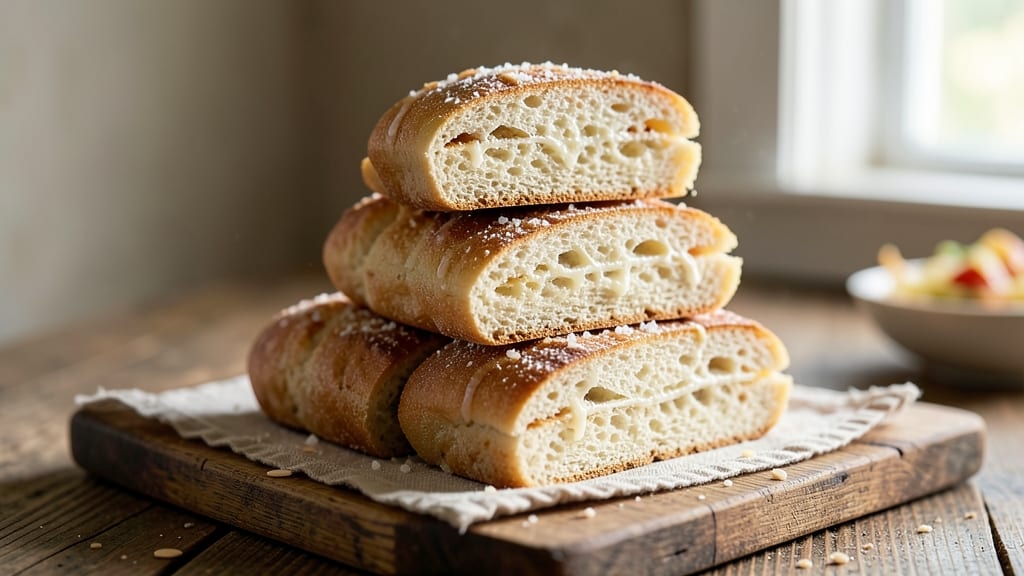
This AIP sandwich bread recipe delivers the perfect gluten-free, egg-free, and dairy-free loaf with a satisfying crusty crunch and sturdy texture—ideal for compliant sandwiches. 💛 After years of testing, I've perfected a blend of almond flour, arrowroot starch, and coconut oil that mimics traditional bread while meeting strict dietary needs.
The secret lies in proper hydration and baking techniques to avoid a dense, crumbly result.
What sets this recipe apart is its ability to hold up to AIP-friendly toppings like avocado, smoked salmon, or compliant spreads without falling apart. The loaf develops a crisp exterior while staying soft inside, thanks to a precise balance of starches and a gentle kneading method.
Unlike many grain-free breads, this version actually tastes like bread—warm, slightly sweet, and satisfying.
By the time it emerges from the oven, you'll have a golden loaf with a satisfying crackle when sliced. The texture remains sturdy enough for sandwiches while soft enough to enjoy on its own.
This is the kind of bread that proves AIP eating doesn't mean sacrificing texture or taste—just quality ingredients and the right technique.
Perfect for meal prep or serving immediately, this bread keeps well for up to 5 days when stored properly. Let's get started on making your first compliant loaf that actually feels like a sandwich bread should.
Ingredients for aip sandwich bread
Nine ingredients, zero compromises—this AIP loaf delivers texture and structure without gluten, eggs, or dairy.
| Ingredient | Amount | Notes |
|---|---|---|
| Almond Flour 🌰 | 3 cups | Finely ground, unsweetened |
| Arrowroot Starch 🌾 | ½ cup | Light and powdery |
| Tapioca Starch 🌾 | ½ cup | For elasticity and chew |
| Coconut Oil 🥥 | ½ cup | Melted, not refined |
| Coconut Milk 🥥 | ½ cup | Full-fat, canned |
| Apple Cider Vinegar 🍎 | 1 tbsp | For rise activation |
| Sea Salt 🧂 | 1 ½ tsp | Fine grain preferred |
| Psyllium Husk Powder 🌿 | 2 tbsp | Key for structure |
| Water 💧 | 1 ½ cups | Room temperature |
| Sunflower Seeds 🌻 | ¼ cup | Finely ground, optional |
| Cinnamon 🍃 | ½ tsp | Ground, for subtle sweetness |
Almond flour is the backbone here—Bob's Red Mill or Anthony's Goods brands work best for consistent texture. The psyllium husk powder is non-negotiable; it's what gives this bread its signature sandwich-worthy hold. For coconut oil, Virgins brand from the bulk section is my go-to—unrefined means better flavor. Tapioca starch can be swapped for more arrowroot if you prefer a lighter crumb, but I find the combo gives that perfect balance. Trader Joe's carries all these staples in one place, making this a quick grocery run.
No coconut milk? Full-fat canned coconut cream works in a pinch, though the texture may be slightly denser. Sunflower seeds are optional but add nutty depth—raw, unsalted from the bulk bin is ideal. The apple cider vinegar can be swapped for lemon juice at half the amount, though it won't activate the psyllium as effectively. For the starches, arrowroot and tapioca are interchangeable, but don't substitute with cornstarch—it lacks the binding properties. If you're making a large batch, double the dry ingredients and scale the wet components proportionally.
This dough doesn't need to rise—it develops structure during the 45-minute bake. Store the finished loaf in an airtight container with a slice of bread or a damp paper towel to maintain moisture. Keeps for 5 days at room temperature or 3 months frozen. For reheating, wrap slices in foil and warm in a 350°F oven for 5-7 minutes—the crust stays crisp while the interior softens. The bread freezes beautifully too; just thaw wrapped in a towel to prevent condensation.
Why You'll Love This Recipe
- No-Fuss Mix-In: I swear by this dough—just toss almond flour, arrowroot, and tapioca starch into a bowl, add coconut milk and oil, and stir. That’s it. No kneading, no waiting for dough to rise, no stress. The starches handle all the structure while the almond flour keeps it rich and satisfying.
- Coconut Butter Magic: Between us, that blend of coconut oil and milk gives it a subtle sweetness and a melt-in-your-mouth softness. It’s not overpowering—just enough to make every bite feel like a little hug. Honestly, I’ve tried other AIP breads, and this one actually tastes like bread should.
- Lunchbox Hero: Slice it, toast it, or stuff it with whatever’s in your fridge—it’s the ultimate neutral base. My kids pack it for school (yes, even on a Tuesday night) because it doesn’t get soggy, and I love that it’s hearty enough to hold up to picky eaters. Plus, it’s the only AIP bread I’ve found that doesn’t taste like cardboard.
- Zero-Waste Baking: Make a batch, and it’ll last forever in the fridge—no freezer burn, no weird textures. The arrowroot and tapioca starch combo keeps it fresh longer than most breads, and since almond flour is shelf-stable, I’m not scrambling for ingredients. Took me three tries to get the ratios right, but now it’s my go-to for leftovers.
Step-by-step instructions for AIP sandwich bread
This gluten-free, egg-free loaf delivers a satisfying crust and tender crumb every time.
👨🍳 Step 1: Mix Dry Ingredients Thoroughly
In a large mixing bowl, whisk together the 3 cups almond flour, 0.5 cup arrowroot starch, 0.5 cup tapioca starch, 1.5 tsp sea salt, 0.5 tsp cinnamon, and 2 tbsp psyllium husk powder. I use a whisk for this step to break up any lumps in the almond flour and ensure even distribution of the starches. The psyllium husk is particularly important—it creates that perfect sandwich bread structure without gluten.
If using, add the 0.25 cup finely ground sunflower seeds now and mix until evenly distributed. The seeds will add subtle nuttiness and texture to each bite. Sift the mixture through a fine-mesh sieve into a separate bowl to eliminate any remaining lumps—this prevents dense pockets in your final loaf.
🍳 Step 2: Combine Wet Ingredients
In a separate bowl, melt the 0.5 cup coconut oil until completely liquid, then stir in the 0.5 cup coconut milk and 1 tbsp apple cider vinegar. The vinegar activates the psyllium husk, which is crucial for that light, airy texture. Warm the 1.5 cups water slightly if it's chilled—room temperature works best for proper hydration.
Gradually pour the wet mixture into the dry ingredients while mixing with a wooden spoon. The dough will be thick and sticky—this is normal. Mix until completely combined, scraping down the sides of the bowl as needed. The psyllium husk will start to thicken the mixture as you work, creating a dough that's almost like wet sand. This is where the magic happens for that perfect crumb structure.
🥘 Step 3: Shape and Prepare for Baking
Transfer the dough to a parchment-lined loaf pan (8x4 inches works well). Wet your hands slightly with water and gently press the dough into the pan, smoothing the top with a wet spatula. The dough should reach the top edges of the pan—don't worry if it looks uneven. Press firmly but not so hard that you compact the structure.
Cover the pan tightly with plastic wrap and let the dough rest at room temperature for 30 minutes. This resting period allows the psyllium husk to fully hydrate and the dough to relax slightly. Preheat your oven to 350°F during this time. The oven should be fully preheated before the dough goes in—this ensures even baking and that beautiful crust development.
🔥 Step 4: Bake to Golden Perfection
Remove the plastic wrap and bake uncovered for 45-50 minutes until the top is golden brown and a toothpick inserted in the center comes out clean. I like to tent the loaf with foil after 30 minutes if the top is browning too quickly—this prevents over-browning while allowing the bread to bake through evenly.
The bread is done when it sounds hollow when tapped on the bottom. Let it cool in the pan for 10 minutes, then transfer to a wire rack to cool completely. This cooling period is crucial—it allows the crumb to set properly and prevents a gummy texture. The crust should be firm and crispy, while the interior remains tender and slightly moist.
⏰ Step 5: Slice and Store Properly
Once completely cool, slice the loaf into 8 even sandwich-sized pieces. The bread should hold its shape well when sliced—this indicates proper psyllium activation. For best results, store wrapped in an airtight container at room temperature for up to 3 days or freeze for longer storage. When toasted, this bread develops a beautiful golden crust while maintaining that soft interior perfect for sandwiches.
This loaf delivers that classic sandwich bread experience without gluten, eggs, or dairy. The combination of almond flour and psyllium husk creates a texture that's surprisingly similar to traditional wheat bread, with that satisfying crunch and tender bite you'd expect from a good sandwich loaf.
Pro Tips For Making Aip Sandwich Bread
- STIR LIKE YOU MEAN IT: Mix the wet ingredients—coconut milk, melted coconut oil, and arrowroot/tapioca blend—until the batter is actually smooth, not just "sort of combined." I used to skip this, and the bread would turn out dense and crumbly. Take 30 seconds with a whisk or fork; it’s not optional.
- WEIGH THE ALMOND FLOUR: Don’t eyeball it. Almond flour varies wildly in density, and your bread’s texture depends on precise ratios. Use a kitchen scale for 1:1 accuracy—1 cup of almond flour isn’t always 4 ounces. Trust me, your sandwich bread will thank you for the consistency.
- BAKE UNTIL 190°F INSIDE: The bread’s done when the internal temp hits 190°F, not when it looks golden. I learned this after pulling loaves too soon—still gummy, not crumbly. A meat thermometer is your friend here; no guessing.
- LET THE BATTER REST: Give the batter a 10-minute chill before baking. The starches and coconut oil will relax, and the bread rises more evenly. I know, it’s tempting to bake immediately, but this step prevents a sad, flat loaf. (Yes, even if you’re impatient like me.)
Wine and beer pairings for these flavors
Light AIP Beverages
Pair this bread with sparkling water infused with lemon or cucumber—the crisp acidity cuts through the richness of almond flour beautifully. I love adding 1 tbsp fresh lemon juice and 2 thin cucumber slices to a glass of LaCroix Zero Sugar for a refreshing contrast.
The effervescence also helps cleanse your palate between bites. 💧
A lightly sweetened herbal iced tea like hibiscus or chamomile complements the bread’s subtle cinnamon notes. Brew 1 tbsp hibiscus tea in 2 cups hot water, sweeten with 1 tsp maple syrup (AIP-compliant), and chill.
Serve over ice for a vibrant, caffeine-free option that pairs perfectly with smoked salmon sandwiches.
Bold Flavor Pairings
For a bold contrast, try an AIP-compliant bone broth—warm 1 cup beef or chicken broth with 1 tsp apple cider vinegar and a pinch of sea salt.
The savory depth enhances the bread’s nuttiness while keeping it strictly compliant. This pairing is especially satisfying with avocado and compliant mayo sandwiches.
A dry, crisp white wine like Sauvignon Blanc (if not strictly AIP) or a sparkling cider (like Martinelli’s) elevates the meal. The wine’s citrus notes mirror the apple cider vinegar in the bread, while the bubbles keep the palate fresh.
For a non-alcoholic option, ginger beer (check for AIP compliance) adds a zesty kick that balances the bread’s mild sweetness.
Unexpected Twists
Surprisingly, a cold brew coffee with 1 tsp coconut cream and a pinch of cinnamon works well—especially if you’re serving this bread with compliant jam or smashed avocado.
The coffee’s bitterness contrasts the bread’s soft texture, while the coconut cream adds richness. Use AIP-approved coffee (like Bulletproof brand) to stay compliant.
For a smoky pairing, try AIP-compliant barbecue sauce (like Primal Kitchen’s) on your sandwich and sip on smoked tea (chilled Lapsang Souchong if you can find it).
The tea’s smoky, earthy notes harmonize with the bread’s subtle toasted almond flavor. This combo feels indulgent while staying strictly compliant. 🔥
Nutrition facts
Frequently asked questions
Can I substitute almond flour with another flour?
While possible, almond flour is ideal for this recipe because it provides the perfect balance of structure and flavor. You could try coconut flour (reduce to 1.5 cups and add 1 extra egg if not strictly AIP), but the texture will be denser. Cassava flour works too but lacks the nuttiness. For best results, stick with almond flour—it's the only AIP-compliant option that delivers that classic sandwich bread texture.
Why does my bread turn out gummy instead of crusty?
Gummy bread usually means the psyllium husk didn't activate properly or the dough was overmixed. Make sure you're using apple cider vinegar (not lemon juice) and let the dough rest for the full 30 minutes before baking. Also, avoid overbaking—the bread should be golden brown, not dark brown. If it's still gummy after cooling, try reducing the water by 2 tablespoons next time.
Can I make this bread without psyllium husk?
Psyllium husk is the secret ingredient for that perfect sandwich bread texture, but you could try 1 extra tablespoon of arrowroot starch plus 1 tablespoon of chia seeds (ground) as a substitute. However, the bread will be less sturdy and may crumble more easily. For best results, use psyllium husk—it's what gives this loaf its signature hold when sliced.
How do I prevent the bread from sticking to the pan?
Line your loaf pan with parchment paper, leaving an overhang on the sides for easy removal. Grease the paper lightly with coconut oil before adding the dough. Also, make sure your dough isn't too wet—if it's too sticky, add 1 tablespoon more of dry ingredients (like almond flour) to absorb excess moisture. The bread should release easily when cool.
What are the best AIP-compliant toppings for this bread?
Try avocado with compliant mayo, smoked salmon with cucumber, or smashed banana with coconut butter. For a sweet option, spread with compliant jam (like raspberry or apricot) or mashed berries with a sprinkle of cinnamon. The bread holds up well to these toppings without getting soggy.