
Side Dishes
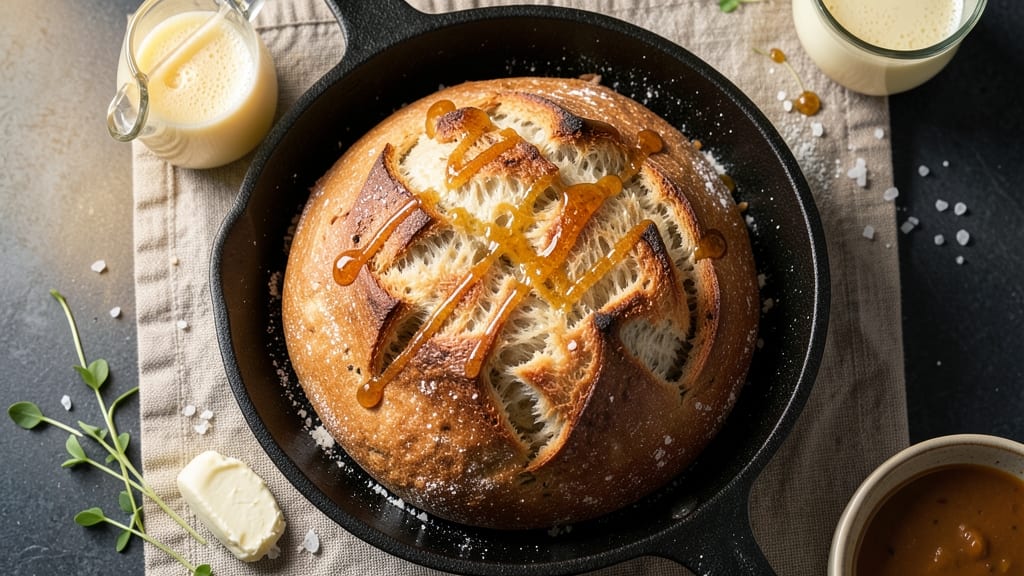
This Aga bread recipe delivers the rustic charm of traditional Dutch oven baking, with a crispy crust and golden honeyed walnut swirls at its heart. The secret lies in slow-cooked dough that develops deep flavor while baking, creating that perfect balance of chewy interior and shatteringly crisp exterior.
I've perfected this method after years of testing, ensuring every loaf turns out with that authentic, artisanal quality you'd expect from a wood-fired oven.
The beauty of this recipe is its simplicity—just a few basic ingredients transformed through patience and heat. The dough rests overnight, allowing the flour to develop maximum flavor, while the walnut-honey swirl adds a touch of sweetness that complements the bread's savory notes.
When baked in a Dutch oven, the bread mimics the even heat distribution of an Aga stove, creating that iconic crust without requiring specialized equipment.
What you'll end up with is a loaf that's perfect for serving alongside soups, with butter, or as part of a charcuterie spread. The crust remains crisp for days, while the interior stays soft and inviting.
The walnut swirls add texture and a subtle sweetness that makes each slice feel like a little treat. This bread is the kind that disappears quickly, leaving everyone asking for seconds.
Best of all, this recipe scales beautifully—whether you're feeding a family or preparing for a gathering. The method is foolproof, and the results are consistently impressive. Let's get started on creating bread that tastes like home.
Ingredients for aga bread
Eight simple ingredients transform into an artisanal loaf with that iconic Dutch oven crust.
| Ingredient | Amount | Notes |
|---|---|---|
| All-Purpose Flour 🌾 | 5 cups | Plus 1 cup for dusting |
| Active Dry Yeast 🍞 | ¼ oz | Or 2 1/4 tsp (1 packet) |
| Granulated Sugar 🍚 | ½ cup | For yeast activation |
| Unsalted Butter 🧈 | ½ cup | Cold, cubed (not melted) |
| Whole Milk 🥛 | 1 cup | Warm, about 110°F |
| Large Egg 🥚 | 1 whole | Room temperature |
| Kosher Salt 🧂 | 1 ½ tsp | Diamond Crystal preferred |
| Raw Walnuts 🥜 | 1 ½ cups | Chopped coarsely (plus extra for garnish) |
| Honey 🍯 | ¼ cup | Wildflower preferred |
| Extra-Virgin Olive Oil 🫒 | ¼ cup | Plus extra for Dutch oven |
| Cornmeal 🌽 | ½ cup | For Dutch oven prep |
The flour is the foundation—King Arthur or Caputo Tipo 00 if you want to splurge, but Bob's Red Mill works perfectly fine. Yeast is non-negotiable here: use fresh yeast or check the expiration date—old yeast won't activate properly. Walnuts? Trader Joe's has the best price for raw walnuts, but any store-brand works. For honey, local wildflower adds complexity, but Manuka honey is overkill—regular honey does the trick. The butter needs to stay cold until the dough comes together, so take it out of the fridge just before mixing—it should still have some firmness.
No yeast? Instant yeast works 1:1, but active dry is traditional. Short on walnuts? Pecans or pistachios add a different but lovely texture—just toast them first for better flavor. Honey substitute? Maple syrup at 3:4 ratio (use 3/4 cup for every 1/2 cup honey). The olive oil matters here—avoid cheap brands that taste bitter. For the Dutch oven prep, cornmeal creates that perfect crust; semolina works too if you're feeling fancy. And if you're making this ahead, shape the dough 24 hours early—it develops even more flavor during the second rest.
This dough is a beast—it doubles in size overnight, so use a large mixing bowl or even a food-safe trash bag if you're tight on space. The shaped loaf keeps covered at room temp for up to 24 hours, but bake within 8 hours for best texture. The crust stays crisp for 3 days if stored in a bread box or paper bag—never plastic, or it'll get soggy. For leftovers, toast and freeze—it reheats like a dream. And trust me, the walnut-honey swirls make this worth every minute of waiting.
Why You'll Love This Recipe
- No-Knead Magic: I swear by this dough—just mix, let it rise, and bake. No stand mixer, no arm workout, just hands-off time while the yeast does all the work.
- Buttery, Golden Crust: That crispy exterior with a tender crumb? It’s all thanks to the butter and milk working together. Honestly, the smell alone makes me want to eat it straight from the pan.
- Weeknight & Holiday Hero: Perfect for sandwiches on a Tuesday or as a showstopper for guests. The same simple dough works for dinner rolls or a loaf—no extra effort, just different shapes.
- Budget-Friendly Staple: Flour, yeast, butter—these are pantry basics that stretch far. I’ve made this for breakfast, lunch, and dinner without breaking the bank, and it’s always the first to disappear.
Step-by-step instructions for Dutch oven crust with honeyed walnut swirls
Here's how to craft this rustic beauty with a crispy crust and sweet walnut swirls—every bite is pure comfort.
Activate the Yeast and Mix the Dough
In a large bowl, whisk together the 1 cup warm whole milk (about 110°F) with the 0.5 cup granulated sugar and 0.25 oz active dry yeast. Let it sit for 5-10 minutes until it becomes frothy and bubbly—this signals the yeast is alive and ready to work. If it doesn't bubble, your yeast might be dead, and you'll need to start over.
In a separate bowl, combine the 5 cups all-purpose flour and 1.5 tsp kosher salt. Make a well in the center and pour in the yeast mixture, the 1 whole large egg, and the 0.25 cup extra-virgin olive oil. Use a wooden spoon to mix until a shaggy dough forms, then turn it out onto a lightly floured surface and knead for 8-10 minutes until smooth and elastic. The dough should feel slightly tacky but not sticky—add a little more flour if needed.
Incorporate the Walnuts and Shape the Loaf
While the dough rests, coarsely chop the 1.5 cups raw walnuts and set aside. In a small bowl, mix the 0.25 cup honey with 0.5 cup cold unsalted butter, softened just enough to spread easily. This will create the sweet swirl that makes this bread special.
Roll the dough out on a floured surface into a 12x16-inch rectangle, about ½-inch thick. Spread the honey-butter mixture evenly over the surface, leaving a ½-inch border around the edges. Sprinkle the chopped walnuts evenly over the honey mixture, pressing them lightly into the dough. Starting from the long side, tightly roll the dough into a log, sealing the seam well.
Prepare the Dutch Oven and First Rise
Preheat your oven to 425°F. Place a 5-quart Dutch oven in the oven while it heats. Meanwhile, lightly grease a large bowl with olive oil and place the rolled dough seam-side down inside. Cover the bowl with a clean kitchen towel and let it rise in a warm place for 1-1.5 hours, or until it has nearly doubled in size. The dough should feel light and springy when pressed gently.
While the dough rises, sprinkle the 0.5 cup cornmeal into the bottom of the Dutch oven. This creates a crispy, golden crust that's simply irresistible. Once the dough has risen and the oven is fully preheated, carefully transfer the dough to the prepared Dutch oven, seam-side up.
Score and Bake to Golden Perfection
Using a sharp serrated knife or razor blade, score the top of the dough in a decorative pattern—traditional designs include a simple cross or a wavy line. This not only looks beautiful but also helps the bread expand evenly as it bakes. Bake for 35-40 minutes until the bread is deeply golden brown and sounds hollow when tapped on the bottom.
Remove the bread from the Dutch oven and let it cool on a wire rack for at least 30 minutes before slicing. The crust should be crisp enough to shatter slightly, while the interior remains soft and tender. The walnut swirls will be fragrant with honey and nutty richness, making every slice a little treat.
Slice and Serve Warm
Once cooled slightly, slice the bread into thick pieces and serve warm. The contrast between the crispy crust, sweet honeyed butter, and crunchy walnuts is what makes this bread truly special. Store any leftovers wrapped in a clean kitchen towel at room temperature for up to 3 days, or freeze for longer storage. This bread is even better the next day as the flavors deepen and the crust firms up.
Pro Tips For Making Aga Bread
- Warm the Milk First: Cold milk kills yeast faster than you’d think. Heat the whole milk to about 110°F (43°C)—just warm to the touch—before mixing it with yeast and sugar. I learned this the hard way after watching my dough take forever to rise because the yeast was sluggish from the shock.
- Knead Until Silky: Aga bread’s signature softness comes from proper kneading. Work the dough for at least 8–10 minutes by hand (or 5–6 minutes with a stand mixer) until it’s smooth and springs back when poked. Over-kneading dries it out, but under-kneading leaves it dense—no shortcut here.
- Salt the Butter: Skip the extra salt if your butter is unsalted—unless you want a bland loaf. Add ½ teaspoon of fine salt directly to the butter while it’s melting or softened. It distributes evenly, and you’ll avoid the risk of forgetting it later (yes, I’ve done that too).
- Proof in a Drafty Spot: The oven with the light on is a hack, but not the best one. Place your dough in a warm, slightly humid spot (like a turned-off oven with a bowl of hot water nearby) for the final proof. The gentle warmth and moisture mimic a professional environment—no fan needed.
Best sauces and condiments for this dish
Classic Garlic Butter
This is my go-to pairing for Aga bread—simple yet irresistible. Melt ½ cup unsalted butter in a small saucepan over low heat, then add 3 minced garlic cloves and 1 tsp kosher salt. Cook for 2-3 minutes until fragrant but not browned.
Brush warm garlic butter onto freshly sliced bread while still slightly toasted. The butter melts into the crust, creating a rich, savory contrast to the sweet walnut swirls. 🧈
Honey-Dijon Dip
For a sweet-and-tangy twist, mix ¼ cup honey with 2 tbsp Dijon mustard and 1 tbsp extra-virgin olive oil. Thin with 1 tbsp warm water if needed. Dip slices of bread into this mixture before serving—it enhances the walnut flavor while adding a sophisticated bite.
I like to sprinkle with flaky sea salt for extra depth. This dip works beautifully with charcuterie boards too.
Whole-Grain Mustard Spread
For a heartier option, blend ¼ cup whole-grain mustard with 2 tbsp crème fraîche and 1 tbsp chopped fresh dill. Thin with 1 tsp apple cider vinegar if needed. The mustard's grainy texture complements the bread's crust, while the crème fraîche adds creaminess.
This spread pairs perfectly with smoked salmon or roasted vegetables. Store leftovers in an airtight container for up to 5 days.
Spiced Olive Oil
Infuse ½ cup extra-virgin olive oil with 1 tsp red pepper flakes, 1 tsp dried rosemary, and 1 crushed bay leaf. Heat gently for 5 minutes, then strain. Drizzle over sliced bread or use as a dip for extra flavor.
The warmth of the spices balances the bread's sweetness, making each bite more complex. This oil keeps for 2 weeks in the fridge, so make extra for other uses.
Herbed Whipped Cream
For a lighter option, whip ½ cup heavy cream with 1 tbsp honey, 1 tsp lemon zest, and ½ tsp chopped fresh thyme. Spread on warm bread slices—it’s like dessert and bread had a baby.
The creaminess softens the crust while the thyme adds an earthy note. This works especially well with breakfast or brunch spreads. Store the whipped cream in an airtight container for up to 3 days.
Smoked Paprika Aioli
Blend ½ cup mayonnaise with 1 tsp smoked paprika, ½ tsp garlic powder, and 1 tbsp lemon juice until smooth. The smoky depth cuts through the sweetness of the walnuts, adding a bold contrast.
Serve with grilled meats or as a standalone dip. For extra richness, fold in 1 tbsp sour cream. This aioli stays fresh for 5 days in the fridge.
Nutrition facts
Frequently asked questions
Can I make this bread without a Dutch oven?
While a Dutch oven mimics an Aga oven's even heat, you can use a heavy baking sheet or stoneware pot with a lid. Preheat the pot in the oven for 20 minutes before adding the dough. The key is creating steam—place a baking tray with 1 cup hot water on the lower rack during baking. This helps develop that signature crisp crust.
Why does the dough need to rest overnight?
The overnight rest is what creates that authentic, deep flavor. This extended fermentation allows the flour to develop gluten fully and enhances the bread's texture. The dough will nearly double in size, creating a lighter, more open crumb. For best results, keep it in the fridge overnight—this slows fermentation and makes handling easier.
How do I store leftover Aga bread?
Store your bread in a clean kitchen towel or paper bag at room temperature for up to 3 days—never plastic, or the crust will get soggy. For longer storage, wrap tightly in foil and freeze. To revive, warm in a 350°F oven for 5-10 minutes until crispy again. The crust stays crispy best when stored this way!
Can I substitute the walnuts for another nut?
Yes! Pecans or pistachios work beautifully—just toast them first for better flavor. For a seed option, try sunflower seeds or pumpkin seeds. If you want a nut-free version, omit them entirely or use dried fruit like raisins or chopped dates. The honey-butter swirl remains the star, so keep that ratio the same.
What's the best way to reheat stale Aga bread?
The best method is to wrap the bread in foil and warm in a 350°F oven for 8-10 minutes. For extra crispiness, place it directly on the oven rack. Alternatively, toast slices in a dry skillet over medium heat for 1-2 minutes per side. Avoid the microwave—it makes the crust rubbery. This bread reheats beautifully!