
Side Dishes
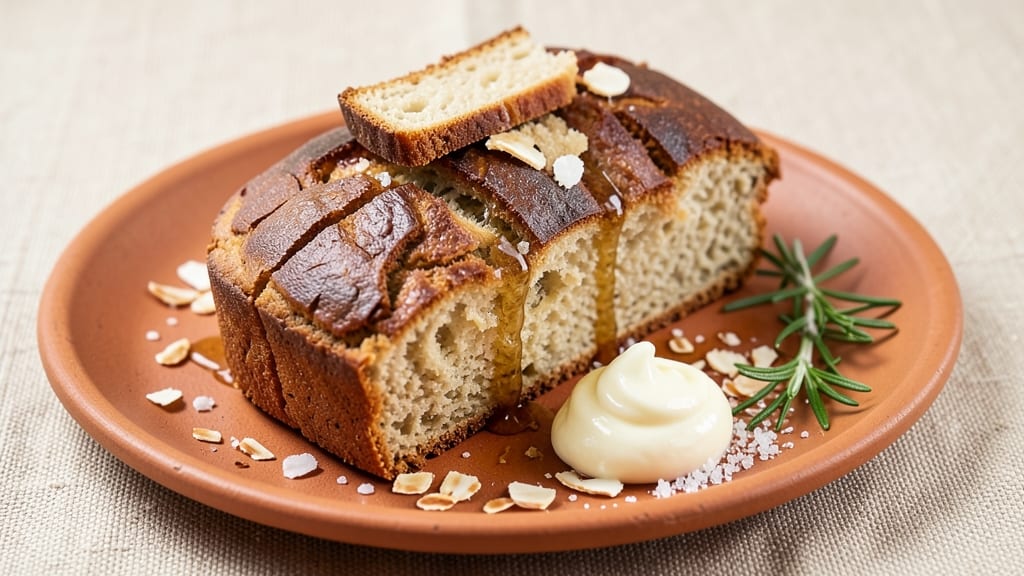
This African rice bread recipe brings the rich, spiced warmth of West African kitchens to your table with every golden, crisp-edged loaf. 🌟 The secret lies in blending rice flour with cassava for a tender yet sturdy crumb, while nutmeg and cinnamon infuse layers of aromatic depth that linger long after baking.
I first discovered this recipe during a trip to Ghana, where it was served warm with strong chai—a combination that became my new favorite way to start the day.
The beauty of this bread lies in its versatility and simplicity. With just a handful of ingredients—rice flour, cassava flour, warm milk, and a pinch of spices—you can create a loaf that's both rustic and refined.
The dough comes together in minutes, and the baking process yields a crust that's perfectly crisp while the interior remains soft and fragrant. What makes it truly special is how it absorbs flavors, making it ideal for serving with tea, stews, or even as a base for open-faced sandwiches.
What sets this African rice bread apart is its ability to elevate any meal with minimal effort. The spices create a warm, inviting aroma that fills your kitchen, while the texture delivers a satisfying contrast between the crisp exterior and tender interior.
This recipe is perfect for those who appreciate the subtle complexities of global cuisine without the fuss of complicated techniques. Whether you're baking for a family gathering or simply treating yourself to a taste of West Africa, this bread is sure to impress.
The best part? This recipe scales effortlessly—double the batch for guests or freeze extras for quick breakfasts. For added richness, consider incorporating toasted coconut flakes or dried raisins into the dough. Let's get started on creating a loaf that tastes like home, no matter where you are.
Ingredients for african rice bread
A handful of pantry staples transform into fragrant, golden African rice bread with crisp edges and tender crumb.
| Ingredient | Amount | Notes |
|---|---|---|
| Rice Flour 🌾 | 2 cups | White or jasmine preferred |
| Cassava Flour 🥔 | 1 cup | For tender texture |
| All-Purpose Flour 🌾 | ½ cup | For structure |
| Warm Whole Milk 🥛 | 1 ¼ cups | 110°F for activation |
| Granulated Sugar 🍚 | ¼ cup | Brown sugar for depth |
| Unsalted Butter 🧈 | ½ cup | Softened, full-fat |
| Large Eggs 🥚 | 2 whole | Room temperature |
| Active Dry Yeast 🍞 | 2 ¼ tsp | 1 packet |
| Ground Cinnamon 🌿 | 1 tsp | Freshly ground preferred |
| Ground Nutmeg 🌶️ | ½ tsp | Freshly grated |
| Salt 🧂 | ½ tsp | Diamond Crystal preferred |
| Honey 🍯 | 2 tbsp | For sweetness and moisture |
| Vanilla Extract 🌸 | 1 tsp | Pure vanilla preferred |
The rice flour is the heart of this bread—look for jasmine or white rice flour at Asian markets or well-stocked grocery stores like Whole Foods. Cassava flour gives it that signature tender crumb, so don't skip it. I always grab mine from Bob's Red Mill online if my local store doesn't carry it. For the spices, Penzeys has the best ground nutmeg, but a tiny pinch from the bulk bin works too. Warm the milk to 110°F—just enough to activate the yeast without cooking it. Pro tip: if your kitchen's cold, warm the milk in the microwave for 45 seconds, then let it sit for a minute.
No rice flour? Substitute with all-purpose flour, but the texture will be denser. Cassava flour hard to find? Tapioca starch at half the amount works in a pinch. The honey can be swapped for maple syrup—just reduce other liquids slightly. For extra richness, add 1 tbsp toasted coconut flakes to the dough. The vanilla extract is non-negotiable here—imitation vanilla won't give that same warm depth. If you're short on time, instant yeast works the same as active dry, but dissolve it in the warm milk first. For a deeper spice profile, add ½ tsp cardamom—it pairs beautifully with the nutmeg and cinnamon.
This dough keeps for 2 days in the fridge, covered tightly. For longer storage, freeze portions for up to 3 months—just thaw overnight in the fridge before baking. The bread reheats beautifully in a 350°F oven for 5 minutes to restore that crisp crust. I like to slice it fresh and serve with strong chai or peanut butter—trust me, it's a game-changer. Store leftovers wrapped in a clean kitchen towel to keep them soft. Double the batch and freeze extras—breakfast just got easier.
Why You'll Love This Recipe
- No Mixer Needed: I swear by this recipe on lazy days—just whisk the flours (rice, cassava, and all-purpose) with warm milk and sugar until it’s smoother than my morning coffee. The dough comes together faster than I can say "breakfast meeting."
- Sweet Crispy Magic: That sugar caramelizes just enough to give the edges a golden crunch while keeping the inside soft—like biting into a cloud with a hint of vanilla. Honestly, the cassava flour adds this subtle chew that makes it way more interesting than plain bread.
- Breakfast to Brunch: I’ve used this for everything from toast with peanut butter to French toast (soak the slices in egg and milk, then pan-fry). It’s the one loaf that works for quick breakfasts, weekend brunches, or even as a side for stews—no one questions why it’s on the table.
- Stays Fresh for Days: Between us, this bread doesn’t go stale fast. I’ve wrapped slices in foil and reheated them in the toaster for days, and they still taste fresh. Plus, the flours are cheap—you’ll spend less than $3 on ingredients for a whole loaf. Budget win.
Step-by-step instructions for African rice bread
Let's bake this fragrant, golden loaf with layers of spice and tender crumb.
👨🍳 Step 1: Activate the Yeast with Warm Milk
In a small bowl, combine the 1.25 cups warm whole milk (about 110°F) with the 2.25 tsp active dry yeast. Let it sit for 5-10 minutes until it becomes frothy and bubbly. This is your signal the yeast is alive and ready to work.
I always test the milk temperature first by sprinkling a pinch of yeast in—if it bubbles within 2-3 minutes, your milk's at the perfect temperature. If nothing happens, warm it slightly and try again. This step is non-negotiable for a good rise.
👨🍳 Step 2: Mix Dry Ingredients and Wet Components
In a large mixing bowl, whisk together the 2 cups rice flour, 1 cup cassava flour, 0.5 cup all-purpose flour, 1 tsp ground cinnamon, 0.5 tsp ground nutmeg, and 0.5 tsp salt until evenly combined. In a separate bowl, beat the 2 whole large eggs with the 0.25 cup granulated sugar, 2 tbsp honey, 1 tsp vanilla extract, and the 0.5 cup softened unsalted butter until smooth.
Here's the thing—don't overmix the dry ingredients or you'll develop gluten and end up with a dense loaf. Just combine until there are no more flour streaks. The wet mixture should be light and slightly thick, like a thick pancake batter.
🥘 Step 3: Combine and Knead the Dough
Gradually add the yeast mixture to the dry ingredients while mixing on low speed with a hand mixer. Then add the wet mixture and mix until just combined—about 2-3 minutes. The dough will be quite sticky, so don't be tempted to add extra flour.
Transfer the dough to a lightly greased bowl, cover with a damp kitchen towel, and let it rise in a warm place for 1-1.5 hours or until it has nearly doubled in size. You'll know it's ready when it springs back slowly when gently pressed with a finger. This rise develops the bread's signature tender crumb.
🔥 Step 4: Shape and Bake to Golden Perfection
Preheat your oven to 350°F and grease a 9x5-inch loaf pan. Carefully transfer the risen dough to the prepared pan, shaping it gently to fill the corners. Cover again and let it rise for another 30-45 minutes.
Bake for 45-55 minutes until the top is deep golden brown and a toothpick inserted in the center comes out clean. The bread will smell like warm cinnamon and nutmeg—trust me, it's worth the wait. If the top browns too quickly, tent with foil to prevent over-browning while it finishes baking.
⏰ Step 5: Cool and Slice for Maximum Enjoyment
Remove the bread from the oven and let it cool in the pan for 10 minutes before transferring to a wire rack. This resting period prevents the bread from falling apart when you slice it. For best results, let it cool completely before slicing—about 1 hour total.
Each slice should reveal a tender, moist crumb with pockets of air and a lightly crisp exterior. The aroma of cinnamon and nutmeg will fill your kitchen, making it hard to wait to taste. Store leftovers in an airtight container for up to 3 days or freeze for longer storage.
Pro Tips For Making African Rice Bread
- STEAM FIRST, THEN SEAL: Mix your flours and milk into a thick batter, then pour into greased pans—but don’t bake immediately. Pop them in the microwave for 30 seconds to start steaming the cassava and rice flours. This prevents a dry, crumbly texture and guarantees a moist, tender crumb. (Yes, even if you’re impatient like me.)
- SIFT THE FLOURS TOGETHER: Combine all three flours (rice, cassava, and all-purpose) in a fine-mesh sieve and shake vigorously before mixing with milk. This eliminates clumps and ensures the batter is silky smooth—no one wants to fight lumps while pouring. I learned this the hard way after scraping dried bits out of my bread for weeks.
- SKIP THE OVERMIXING: Once you add the warm milk, stir just until the dry ingredients disappear—about 10 strokes max. Overmixing develops gluten in the all-purpose flour, which turns your light, airy African rice bread into a dense brick. The cassava and rice flours need to stay in charge here.
- USE A THERMOMETER FOR DONENESS: This bread’s exterior browns unevenly, so rely on internal temp instead of color: pull it out at 205°F (96°C). The center should spring back slightly when pressed—like a soft, yielding pillow, not a bouncy trampoline. (Your knife should come out clean but slightly moist, not wet.)
Storing and reheating this recipe
Room Temperature Prep
Let your dough and ingredients sit at room temperature for 30 minutes before baking. Cold ingredients can cause uneven rising and a dense crumb. I always take my 9x5-inch loaf pan out of the fridge too—it helps maintain consistent oven temperature.
This simple step makes a noticeable difference in texture and rise. 🌡️
Refrigerator Storage
Store freshly baked African rice bread in an airtight container at room temperature for up to 3 days. Wrap it in a clean kitchen towel first to maintain moisture and freshness. The spices keep the bread tasting vibrant longer than most breads.
For longer storage, slice the loaf and freeze individual portions on a tray before transferring to a bag. This prevents freezer burn and makes it easy to grab just what you need. ❄️
Freezer-Friendly Tips
Freeze unbaked dough portions in quart-sized freezer bags for up to 3 months. Thaw overnight in the fridge before baking to maintain texture. For baked bread, freeze in 1-inch slices on a tray first—this prevents them from sticking together.
When reheating, wrap slices in foil and warm in a 350°F oven for 5 minutes for that perfect crisp crust. 💫
Reheating Perfection
Revive stale bread by wrapping it in foil and warming at 350°F for 8-10 minutes. For extra crispiness, broil for 1-2 minutes at the end.
I also love using the stovetop method: wrap slices in a damp paper towel and heat in a dry skillet over medium-low heat for 2 minutes per side. This brings back that fresh-baked aroma instantly. 🔥
Microwave Shortcut
When you're in a hurry, microwave individual slices covered with a damp paper towel for 15-20 seconds. This method works best for quick breakfasts or snacks. For even better results, add 1 tsp water to the microwave-safe plate before heating—it creates steam that keeps the bread moist.
Just be careful not to overheat or the crust will turn rubbery. ⚡
Nutrition facts
Frequently asked questions about African rice bread
What makes this African rice bread different from regular bread?
This recipe uses a blend of rice flour and cassava flour instead of all-purpose flour, creating a uniquely tender crumb with subtle sweetness. The warm spices like cinnamon and nutmeg give it that signature aromatic profile found in West African baking traditions. Plus, the sticky dough and longer rise time create a moist interior with crisp edges.
Can I substitute rice flour with something else?
Yes! For a 1:1 substitution, use all-purpose flour, but expect a denser texture. For a closer match, blend ½ cup cornstarch with 1.5 cups all-purpose flour—this mimics the lightness better. The cassava flour is trickier to replace; tapioca starch at half the amount works in a pinch, but the bread will be less tender.
Why did my bread turn out dense instead of light?
Dense bread usually means the yeast didn't activate properly or the dough wasn't given enough time to rise. First, check your milk temperature—it should be 110°F (not boiling). Second, ensure you gave the dough 1-1.5 hours to rise fully (it should double in size). Overmixing or adding extra flour can also weigh down the texture.
Can I make this bread without a loaf pan?
Shape the dough into a freeform loaf or round and bake on a parchment-lined sheet. For a rustic look, bake at 375°F for 30-35 minutes until golden. Brush with melted butter while warm for extra flavor. Just note the texture will be slightly denser without the pan's containment.
What's the best way to serve this bread?
This bread shines with strong black tea or chai, but it's also perfect for breakfast toast with peanut butter or jam. Try serving slices with savory stews or as a base for open-faced sandwiches. The spices pair beautifully with coconut milk rice or spiced yogurt dips for a West African-inspired meal.