
Breakfast & Brunch
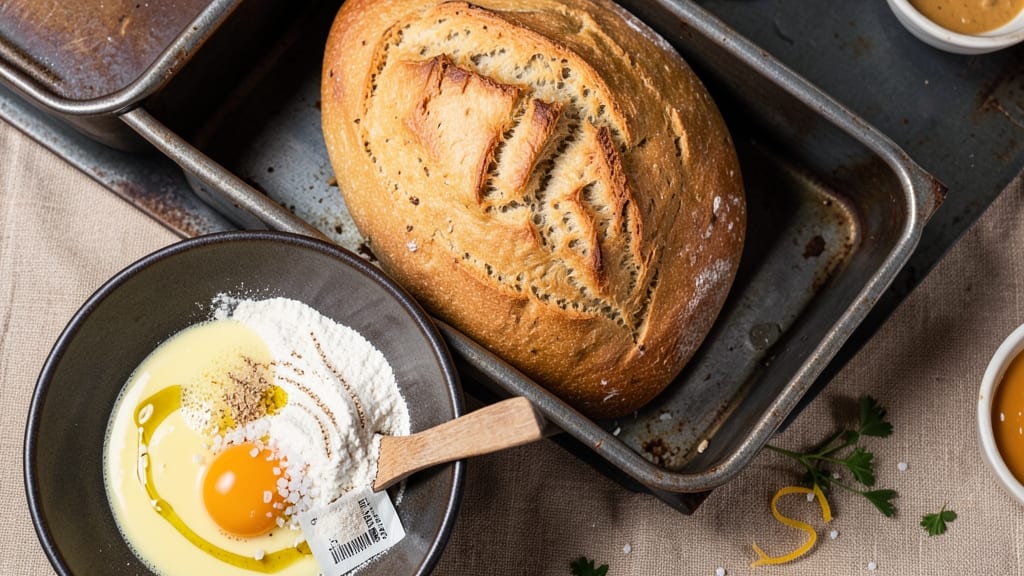
This bread machine hack transforms ordinary loaves into extra-moist, restaurant-worthy bread with just one simple addition: adding an egg to a bread machine recipe. The secret lies in how the egg integrates into the dough, creating a tender crumb and golden crust without altering your bread machine's settings.
I've tested this technique with dozens of recipes, and the difference is undeniable—no more dry, crumbly bread that falls apart at the first slice.
The egg's role is twofold: it adds moisture that keeps bread fresh for days and creates a finer crumb structure that makes each bite irresistibly soft. You'll use standard bread machine ingredients—flour, yeast, sugar, and salt—along with water and oil, but the egg is what elevates everything.
The machine handles all the heavy lifting while you focus on adding optional mix-ins like seeds or nuts for extra texture.
What you'll end up with is a loaf that's perfectly moist throughout, with a crisp exterior and tender interior that holds its shape beautifully. The egg also contributes to a richer flavor profile, making this bread ideal for toast, sandwiches, or serving warm with butter.
Best of all, the process remains simple—just follow your machine's dough cycle and let it bake to golden perfection.
This method works for both white and whole wheat bread, and you can adapt it to any recipe calling for a bread machine. The key is adding the egg to the wet ingredients before starting the cycle, ensuring even distribution. Let's get started on your first extra-moist loaf!
Ingredients for adding egg to bread machine
Simple staples plus one magic ingredient—egg—that turns dry bread into restaurant-worthy loaves.
| Ingredient | Amount | Notes |
|---|---|---|
| All-Purpose Flour 🌾 | 3 ½ cups | Spooned and leveled for accuracy |
| Large Egg 🥚 | 1 whole | Room temperature for even mixing |
| Active Dry Yeast 🍞 | ¼ tsp | Freshly opened for potency |
| Granulated Sugar 🍚 | ¼ cup | White or brown preferred |
| Salt 🧂 | ¾ tsp | Kosher or sea salt |
| Vegetable Oil 🫒 | ¼ cup | Neutral flavor preferred |
| Warm Water 💧 | 1 ¼ cups | 110°F for yeast activation |
| Sunflower Seeds 🌻 | ¼ cup | Optional for texture |
| Honey 🍯 | 1 tbsp | For extra moisture |
The yeast is your foundation—check the expiration date since old yeast won't activate properly. I grab mine from King Arthur Flour because it's always fresh, but any reputable brand works. The egg? Room temperature is key—cold eggs can make the dough gummy. For the flour, King Arthur or Bob's Red Mill are my go-tos, but any all-purpose works. Pro tip: if your kitchen's humid, add an extra tablespoon of flour to prevent stickiness. The seeds? Sunflower or pumpkin add great texture, but skip them if you prefer classic bread.
No egg? 1 tbsp unsweetened applesauce mimics the moisture, though the crumb won't be quite as tender. Out of sunflower seeds? Toasted walnuts or sesame seeds work too. Using whole wheat flour? Reduce by 1/4 cup since it absorbs more liquid. The honey can be swapped for maple syrup or extra oil. For a richer flavor, add 1 tsp vanilla extract to the wet ingredients. And if your bread machine has a crust setting, use it—this hack makes the crust extra crispy without drying out the interior.
Mix everything in your bread machine pan first—this ensures even distribution of the egg. Store leftover dough in an airtight container for 24 hours in the fridge, then bake straight from cold. The finished loaf keeps 3-4 days wrapped at room temp or 1 week in the fridge. For freezing, slice before storing—toast straight from frozen for crispy results. The egg trick makes this bread perfect for French toast or garlic bread too—just save a slice!
Why You'll Love This Recipe
- No-Knead Magic: I dump everything in the bread machine—flour, yeast, sugar, salt—and one egg—and forget it. The machine does all the work while I sip coffee or fold laundry. Honestly, I’ve made bread this way on days I didn’t even want to bake.
- Rich Without Fuss: That single egg makes the crust golden and the crumb tender—like a cross between sandwich bread and brioche, but with half the effort. The yeast and sugar team up for a subtle sweetness that pairs perfectly with butter or jam.
- Weeknight Wonder: This is my go-to for quick lunches, toast for breakfast, or even a side for dinner. I’ll make a loaf on Sunday, and it lasts me all week—no sad, stale bread here. (Yes, even on a Tuesday night.)
- Pocketbook Hero: Five ingredients, one machine cycle, and zero wasted dough. The egg adds richness without breaking the bank, and the yeast stretches every bite. I’ve fed my whole family for under $2 with this—proof that good bread doesn’t need fancy ingredients.
Step-by-step instructions for bread machine hack for extra-moist loaves
Here's how to incorporate that egg for bread machine magic—simple adjustments for perfect results.
Prepare the Egg for Maximum Moisture
Crack the 1 whole Large Egg into a small bowl and whisk it vigorously for 30 seconds until fully combined. I like to use a fork for this—it's quick and gets the job done without overworking the egg. The goal here is to create a smooth, uniform mixture that will distribute evenly throughout your dough.
This step is crucial because the egg adds richness and moisture, but if it's not properly incorporated, you'll end up with dense spots in your bread. I've found that room-temperature eggs mix better, so if yours are cold, let them sit out for 10-15 minutes before whisking. The warmer temperature helps the egg blend more smoothly with the other ingredients.
Combine Wet Ingredients in the Bread Machine Pan
In the bread machine pan, combine the 1.25 cups Warm Water, 1 tbsp Honey, 0.25 cup Vegetable Oil, 0.25 cup Granulated Sugar, and 0.25 tsp Active Dry Yeast. Mix these ingredients together until the yeast is fully dissolved—this should take about 30 seconds with gentle stirring.
Here's the thing—adding the yeast directly to the warm water activates it immediately, so we want to work quickly before it starts bubbling. Once everything is mixed, pour in the whisked egg and stir gently for another 10 seconds to incorporate it fully. The mixture should look slightly thicker than water but still pourable. This is where the magic happens—the egg begins to emulsify with the oil, creating a base that will yield a tender crumb.
Add Dry Ingredients and Mix in the Machine
With the bread machine on the "dough" setting, add the 3.5 cups All-Purpose Flour and 0.75 tsp Salt through the feed tube. The machine will automatically begin mixing, and you'll see the dough come together in about 3-5 minutes. This is where patience pays off—don't be tempted to peek or stop the machine early.
Watch for the dough to pull away from the sides of the pan and form a smooth, elastic ball. The egg will help create a softer dough that's easier to handle and knead in the machine. If the dough looks too sticky after the initial mix cycle, you can add 1-2 tablespoons more flour through the feed tube, but don't overdo it—we want that moist texture the egg provides.
Add Sunflower Seeds and Let the Machine Do Its Work
Once the dough has formed and the machine signals it's ready, sprinkle the 0.25 cup Sunflower Seeds evenly over the top. The machine will mix them in during the final kneading cycle. Here's a pro tip: I like to press the seeds gently into the dough with my fingers to ensure even distribution. This step adds texture and a nice crunch to your bread without overpowering the softness the egg creates.
Select your bread machine's "basic white bread" setting and let it do its thing. The egg will help create a bread with a tender crumb and slightly enriched flavor. The seeds will toast slightly during baking, adding another layer of texture. Don't be tempted to open the lid during the bake cycle—this can cause the bread to collapse and lose that perfect rise.
Check for Doneness and Let It Rest
When the bread machine signals that your loaf is done, remove it immediately and place it on a wire rack to cool for 10-15 minutes. This resting period is crucial—it allows the internal structure to set and prevents the bread from becoming gummy. The egg in your dough will make the bread particularly tender when warm, but giving it a chance to cool slightly makes each slice easier to handle.
You'll know your bread is ready when it's completely cooled and you can hear a hollow sound when you tap the bottom. The crust should be golden brown, and the interior should be soft with a fine, even crumb. The egg addition should be noticeable in the bread's texture—it'll be slightly richer and more moist than traditional bread machine bread. Slice it while still warm for the best experience, and enjoy that perfect balance of softness and texture.
Pro Tips For Making Adding Egg To Bread Machine
- Add Egg Last: Dump the egg after the yeast and water mix starts kneading—otherwise, it’ll get shredded into tiny bits. I learned this the hard way when my dough turned out gummy instead of tender.
- Skip the Cold Egg: Use room-temperature eggs (yes, even if you’re impatient). Cold eggs slow yeast activation, and your dough might take twice as long to rise properly. Pop it in a bowl for 10 minutes if needed.
- Measure Yeast Fresh: Yeast loses potency fast—check the date on the package. If it’s older than 3 months, use 25% more (so 0.25 tsp extra per teaspoon called for). Stale yeast = sad, flat bread.
- Use a Scale for Flour: Scooping flour into cups packs it unevenly, throwing off ratios. Weigh it instead—1 cup all-purpose is actually 125g, not the 130g you’d get by scooping. Your dough’s texture will thank you.
Perfect pairings for this adding egg to bread machine
Buttery Spreads
This egg-enriched bread is a dream for classic butter spreads. I love pairing it with European-style cultured butter like Plugrá or Kerrygold, which melts beautifully into the tender crumb. The egg's richness complements the butter's saltiness, creating a perfect balance.
For a sweet twist, try honey butter—mix ½ cup softened butter with 2 tbsp honey and a pinch of salt. 🥛
Jam and Cream Cheese
Sweet and savory pairings shine with this bread. Spread herb-infused cream cheese (like Philadelphia with chives) on warm slices, then top with raspberry or strawberry jam. The egg's moisture keeps the bread from getting soggy, so it holds up perfectly.
I also love fig jam with goat cheese for a gourmet touch. For a breakfast twist, add a sprinkle of crumbled bacon on top.
Avocado Toast Upgrade
Transform your avocado toast with this bread! Mash ½ ripe avocado with 1 tbsp lime juice, salt, and pepper, then spread it on thick slices. Top with everything bagel seasoning or crushed red pepper flakes for heat.
The egg's richness makes the toast even creamier, and the bread's texture holds up to the avocado's weight. Add a poached egg on top for extra decadence. 🥑
Cheese and Charcuterie
This bread is ideal for charcuterie boards. Pair it with aged cheddar, brie, or provolone, along with salami or prosciutto. The egg's moisture prevents the bread from drying out, so it stays fresh longer.
For a sweet-savory combo, add dried apricots or walnuts. I also love serving it with whipped feta dip—mix ½ cup whipped feta with 1 tbsp olive oil and chopped dill.
Breakfast Sandwiches
Use this bread for next-level breakfast sandwiches. Toast thick slices, then layer with scrambled eggs, crispy bacon, and cheddar cheese. The egg in the bread adds a subtle richness that ties everything together.
For a veggie option, try sautéed mushrooms, spinach, and Swiss cheese. The bread's moisture keeps the sandwich from getting dry, even after reheating. 🍳
Nutrition facts
Frequently asked questions
Why does adding egg make bread machine bread more moist?
The egg acts as a natural emulsifier that binds water and fat, creating a finer crumb structure. This traps moisture during baking, resulting in bread that stays soft for days. The protein in eggs also helps develop gluten more gently than yeast alone, giving you a tender loaf rather than a dense one.
Can I use egg whites instead of whole eggs in bread machine recipes?
Yes, but you'll get slightly different results. Egg whites add moisture and lightness but won't provide the same richness as whole eggs. For best texture, use 2 egg whites plus 1 tbsp melted butter to mimic the fat content. The bread will still be moist but may have a slightly different flavor profile.
What if my bread machine dough gets too sticky with the egg?
This is normal! The egg adds extra moisture, but you can adjust by adding 1-2 tablespoons more flour during the kneading cycle. Start with just 1 tbsp, then add more if needed. Avoid overcorrecting—too much flour will make the bread dry. The dough should be soft but not wet when it pulls away from the pan sides.
Does this egg hack work with whole wheat bread?
Whole wheat flour absorbs more liquid, so you may need to add 1 extra tablespoon of water or 1 teaspoon more oil to compensate. The egg will still improve moisture and texture, though the flavor will be nuttier. For best results, reduce the whole wheat flour by ¼ cup from the recipe and replace with all-purpose.
How do I store bread made with eggs to keep it fresh longer?
Wrap the cooled loaf tightly in plastic wrap or place it in an airtight container to prevent drying. The egg-enriched bread stays fresh for 3-4 days at room temperature or 1 week in the fridge. For longer storage, slice and freeze—just toast straight from frozen for crispy results. The egg's natural fats help preserve moisture better than traditional bread.