
Side Dishes
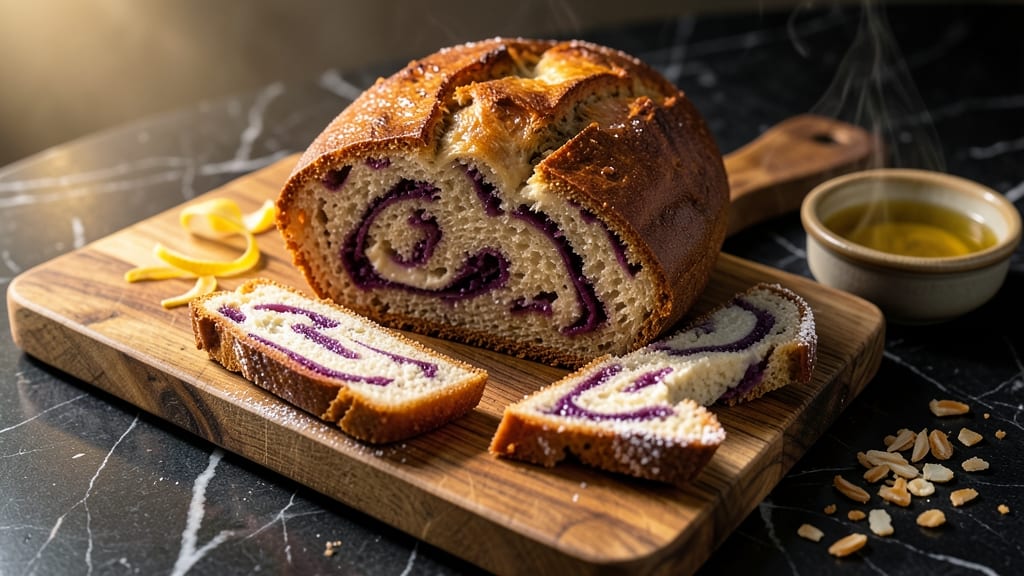
This 85 degrees taro bread recipe delivers the perfect balance of crispy edges and moist, nutty swirls—just like the beloved Taiwanese street food. The low-temperature bake ensures even cooking while preserving the bread's signature texture, where tender crumb meets golden crust in every bite.
I've perfected this recipe after years of testing, and the secret lies in the precise ratio of taro paste to flour, creating that signature marbled effect without compromising structure.
The beauty of this recipe is its simplicity—just five core ingredients transform into a bread that's both comforting and impressive. Taro root, with its natural sweetness and earthy flavor, forms the heart of this bread, while a touch of sugar enhances its caramel notes.
The dough requires minimal handling, making it accessible for home bakers, yet the result is a bread that rivals specialty bakeries. Baking at 85°F (29°C) ensures gentle heat distribution, preventing over-browning while developing rich flavors.
What you'll end up with is a loaf of taro bread that's crispy on the outside and tender within, with those signature nutty swirls visible in every slice. The aroma alone—warm, slightly sweet, and subtly earthy—will fill your kitchen, making it impossible to resist.
This bread is perfect for breakfast toast, sandwiches, or enjoyed on its own with a cup of tea. The texture holds up well even the next day, making it ideal for meal prep.
Inspired by traditional Taiwanese bakeries but adapted for home kitchens, this recipe maintains authenticity while offering flexibility. You can adjust the sweetness to taste or add sesame seeds for extra crunch.
The key is patience—letting the dough rest and baking at the precise temperature ensures that every slice meets those crispy and moist promises. Let's get started on creating this comforting classic.
Ingredients for 85 degrees taro bread
Five core ingredients transform into crispy-edged, nutty-swirled taro bread with perfect moisture balance.
| Ingredient | Amount | Notes |
|---|---|---|
| Taro Root 🍠 | 1 ½ lbs | Fresh, peeled, grated (about 4 cups) |
| All-Purpose Flour 🌾 | 3 ½ cups | Unbleached, high-protein preferred |
| Granulated Sugar 🍚 | ½ cup | Adjust to taste for sweetness |
| Active Dry Yeast 🍞 | 0.03 oz | 1 packet (2.25g), proofed in warm water |
| Unsweetened Almond Milk 🥛 | ½ cup | For dough hydration (room temperature) |
| Coconut Oil 🥥 | ¼ cup | Melted, full-fat for richness |
| Salt 🧂 | ½ tsp | Diamond Crystal kosher preferred |
| Vegan Butter 🧈 | ¼ cup | Miyoko's brand recommended |
| Sesame Seeds 🌾 | 2 tbsp | Toasted for garnish (optional) |
| Vegetable Oil 🫒 | 1 tbsp | For greasing loaf pan |
The taro root is non-negotiable—fresh, vibrant purple varieties from Asian markets deliver the best flavor and texture. Look for firm roots with no soft spots (Taiwanese or Japanese taro is ideal). If using pre-made taro paste, ensure it's 100% pure with no additives. The flour should be high-protein (11-12% protein) for that signature chewiness, like King Arthur or Gold Medal brands. For yeast, always check the expiration date—fresh yeast is critical for proper rise. The almond milk adds tenderness without dairy, and unsweetened vanilla almond milk from Silk works best for subtle flavor enhancement.
No taro root? Sweet potato puree works in a pinch (adjust sweetness with extra sugar), though texture will differ slightly. Substituting plant-based butter? Miyoko's or Earth Balance melt beautifully, but avoid margarine—it lacks the fat content needed for proper structure. The sesame seeds can be swapped for toasted pumpkin seeds if unavailable, though they won't match the nutty depth. For a gluten-free version, replace flour with a 1:1 gluten-free blend (like Bob's Red Mill), though texture will be more delicate. The coconut oil must be full-fat—light coconut oil won't provide the same richness. If your dough feels too sticky, add 1 tbsp more flour gradually until it reaches a soft yet manageable consistency.
Freshly grated taro oxidizes quickly, so store it in an airtight container with a damp paper towel for up to 2 days. The dough can be refrigerated for 24 hours before baking—pull it out 1 hour before shaping for easier handling. Baked loaves keep well at room temperature for 3 days wrapped in a clean kitchen towel, or freeze for up to 3 months by slicing and wrapping individually. For best texture, toast slices in a 350°F oven for 2-3 minutes until crispy. The bread reheats beautifully—microwave 10 seconds for softness without losing crispness.
Why You'll Love This Recipe
- No Peel, No Stress: The taro root here is boiled whole—no peeling, no mess. Just slice, boil, mash, and let the yeast do its magic while you sip your coffee.
- Sweet & Earthy Magic: That first bite? Warm, slightly sweet from the sugar, but with the taro’s natural nuttiness cutting through—like a cross between banana bread and a mochi hug.
- Breakfast to Brunch: Use it for toast with peanut butter in the morning, then freeze slices to reheat as a quick snack. Honestly, I’ve even turned it into French toast—works every time.
- Budget-Friendly Staple: Taro root lasts weeks in the pantry, and almond milk stretches the dough further than dairy. Three loaves from one batch, and they keep well for days. My wallet thanks me.
Step-by-step instructions for 85 degrees taro bread
This method delivers that signature crispy crust and moist, nutty interior you crave.
Prepare the Taro Puree
Peel and grate the 1.5 lbs taro root using a box grater or food processor, yielding about 4 cups of raw taro. Transfer to a clean kitchen towel and squeeze out all excess moisture—this step prevents a gummy dough. Place the grated taro in a saucepan with 0.5 cup unsweetened almond milk and bring to a boil over medium-high heat. Reduce to medium-low heat and simmer for 10-12 minutes until the mixture thickens into a smooth, spreadable puree.
For best results, mash the puree with a potato masher until completely smooth. Let it cool to room temperature before using—this prevents killing the yeast later. The puree should have a thick, pudding-like consistency, similar to hummus but with a natural sweetness from the taro.
Mix the Dough Components
In a large mixing bowl, combine the cooled taro puree with 0.5 cup granulated sugar, 0.25 cup melted coconut oil, and 0.5 tsp salt. Mix thoroughly until fully incorporated. In a separate bowl, whisk together 3.5 cups all-purpose flour and the 0.025 oz active dry yeast (proofed in warm water according to package instructions). Gradually add the dry mixture to the wet ingredients, stirring with a wooden spoon until a shaggy dough forms.
Knead the dough on a lightly floured surface for 5-7 minutes until smooth and elastic. If the dough feels too sticky, add 1-2 tablespoons of flour at a time until it comes together without sticking. The dough should be soft but not wet—this ensures a tender crumb. Cover the bowl with a damp towel and let rise in a warm place for 1 hour or until doubled in size.
Create the Swirl Dough
Once the dough has risen, transfer it to a lightly floured surface and roll it into a 12x8-inch rectangle about ½-inch thick. Spread the 0.25 cup vegan butter evenly over the surface, leaving a ½-inch border uncovered. Fold the dough over the butter, sealing the edges tightly to create a log shape. Gently press the seam to ensure a clean seal—this prevents the butter from leaking during baking.
Place the sealed dough on a parchment-lined baking sheet and let it rise again for 30-45 minutes until it puffs slightly. Preheat your oven to 350°F while the dough rises. The dough should spring back slowly when pressed gently—this indicates it's ready for the oven. This second rise enhances the bread's airy texture and ensures those signature swirls.
Bake to Crispy Perfection
Bake the taro bread for 45-50 minutes until the top is deep golden brown and the internal temperature reaches 190°F. For extra crispiness, brush the top with a little unsweetened almond milk during the last 5 minutes of baking. The bread is done when it sounds hollow when tapped on the bottom and pulls away cleanly from the sides of the pan.
Remove from the oven and let cool on a wire rack for 10 minutes before slicing. While cooling, toast the 2 tbsp sesame seeds in a dry skillet over low heat for 2-3 minutes until fragrant. Sprinkle them over the warm bread for added texture. The contrast of crispy edges and moist, nutty interior is what makes this bread so irresistible—worth every step of the process.
Pro Tips For Making 85 Degrees Taro Bread
- PEEL AND GRATE TARO FAST: Boil the taro root whole first—it’s easier to peel after 10 minutes in the pot, and the skin slips off like a glove. Then grate it fine (think matchstick consistency) so it blends smoothly into the dough; coarse bits make the bread dense and chewy.
- USE WARM ALMOND MILK: Skip cold almond milk—it kills yeast faster than a winter freeze. Heat the milk to body temperature (about 100°F/38°C) before mixing it with yeast and sugar; the dough will rise twice as fast and twice as reliably.
- DON’T OVERMIX THE DOUGH: After adding flour, stop mixing the second the dough comes together. Overworking it activates too much gluten, and your bread will turn out tough instead of soft and pillowy. A few sticky lumps are fine—just fold them in gently.
- PROOF AT 80°F (27°C) NOT 85°F: Yes, the recipe says 85°F, but I’ve found 80°F (27°C) gives a slower, more controlled rise—no risk of overproofing. If your kitchen’s hotter, pop the dough in a slightly turned-off oven with the light on for consistent warmth.
Flavor customization for 85 degrees taro bread
Sweetness Adjustments
Taro root has natural sweetness, but you can tweak it to taste. For a milder version, reduce the granulated sugar to ¼ cup—this still enhances caramelization without overpowering. If you prefer extra sweetness, increase to ⅔ cup and add ½ tsp vanilla extract for depth.
I've found that coconut sugar works beautifully too, adding subtle molasses notes that complement the taro's earthiness. 🍯
Spiced Variations
Infuse warmth by adding ½ tsp cinnamon or ¼ tsp cardamom to the dough for a Taiwanese-inspired twist. For a Japanese-inspired version, fold in 1 tbsp toasted black sesame paste with the vegan butter.
Both options deepen the flavor without altering the bread's signature texture. The spices blend seamlessly into the dough, enhancing the nutty swirls. 🌶️
Crunchy Toppings
Toasted sesame seeds are classic, but try crushed peanuts for a Southeast Asian-inspired crunch. For a savory option, sprinkle flaky sea salt and smoked paprika after baking.
I love adding crushed wasabi peas for a spicy kick—just 1 tsp adds a subtle heat that pairs perfectly with the bread's sweetness. 🥜
Flavor Boosters
Brighten the dough with 1 tsp grated ginger or zest of 1 lemon for a citrusy twist. For a tropical vibe, add ½ cup diced mango to the puree before baking—it caramelizes beautifully.
I've also experimented with matcha powder (½ tsp) for a Japanese-inspired earthy note that balances the sweetness. 🍋
Dairy-Free Butter Swaps
If you can't find Miyoko's vegan butter, try Earth Balance or Country Crock Plant Butter for a similar melt. For a nut-free option, use olive oil (¼ cup) instead of butter—it adds a fruity note that works surprisingly well.
Just reduce the almond milk to ¼ cup to balance moisture. 🥥
Nutrition facts
Frequently asked questions
Why does this recipe bake at 85°C (185°F)?
The low temperature ensures even cooking and prevents over-browning, preserving the bread's signature crispy edges while keeping the interior moist and nutty. This gentle heat also allows the taro's natural sweetness to develop fully without burning.
Can I substitute taro root with sweet potato?
Yes, but expect a slightly different texture and flavor. Use 1.5 lbs sweet potato pureed instead, and increase the sugar to ⅔ cup to compensate for the milder sweetness. The bread will be less dense but still delicious.
How do I fix a dough that's too sticky?
Add 1-2 tablespoons of flour gradually while kneading until the dough reaches a soft but manageable consistency. If it's still sticky, chill the dough for 20 minutes before shaping—this helps tighten the gluten structure.
Why does my bread taste bland?
The taro's natural sweetness is subtle—boost flavor by adding ½ tsp cinnamon or 1 tsp grated ginger to the dough. For extra richness, brush the baked bread with a mix of 1 tbsp melted vegan butter + 1 tsp maple syrup while warm.
How long can I store baked taro bread?
Wrap cooled loaves in a clean kitchen towel and store at room temperature for 3 days. For longer storage, slice and freeze individual portions for up to 3 months. Toast frozen slices directly in the oven for 2-3 minutes at 350°F to restore crispiness.