
Side Dishes
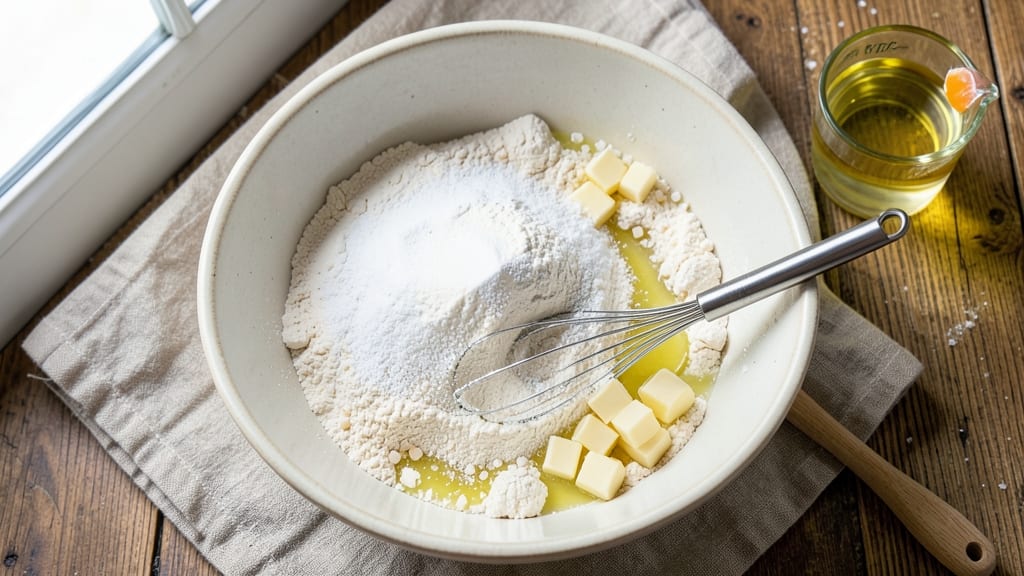
A 60-minute French bread recipe that delivers bakery-style crust and airy crumb without the fuss of kneading—this is the method I’ve perfected after years of trial and error. The secret lies in precise timing, a simple dough formula, and a steam bath that transforms ordinary flour into golden, crackling perfection.
No stand mixer required, just patience and attention to detail for results that rival artisanal loaves.
This recipe combines traditional techniques with modern convenience: a no-knead approach that still develops gluten properly, a controlled proofing process, and oven steam to create that signature French bread crust.
The dough comes together in minutes, rests while you prep, and bakes in under an hour—ideal for weeknight dinners or meal prep. Every step is designed to eliminate common pitfalls like dense crumb or pale crust.
By the time you pull that loaf from the oven, you’ll have a golden-brown crust with irresistible shatter and an interior so light it practically melts in your mouth. The aroma alone will have everyone gathering around the table.
Whether you’re serving it warm with butter or saving slices for sandwiches, this bread becomes the star of any meal.
For those who love customization, we’ll cover variations like garlic-herb bread and troubleshooting tips to ensure perfect results every time. Let’s get started—your crust awaits.
Ingredients for 60 minute french bread
This no-knead French bread recipe delivers bakery-style crust and airy crumb in just 60 minutes—no stand mixer needed.
| Ingredient | Amount | Notes |
|---|---|---|
| All-Purpose Flour 🌾 | 4 cups | King Arthur or Bread Flour preferred |
| Instant Yeast 🍞 | ½ tsp | Fresh yeast, not rapid-rise |
| Granulated Sugar 🍚 | ½ tsp | Feeds yeast for activation |
| Salt 🧂 | 1 ½ tsp | Diamond Crystal preferred |
| Unsalted Butter 🧈 | ½ cup | Cold, cubed for steam bath |
| Warm Water 💧 | 1 ½ cups | 105°F-110°F for yeast activation |
| Large Egg 🥚 | 1 whole | Room temperature for even mixing |
| Olive Oil 🫒 | 1 tbsp | Extra-virgin for dough enrichment |
| Ice Water ❄️ | ¼ cup | For final dough temperature control |
| Cornmeal 🌽 | ¼ cup | For dusting parchment paper |
| Coarse Sea Salt 🧂 | ¼ tsp | For final crust sprinkle |
| Egg Wash 🥚 | 1 whole | Beaten with 1 tsp water |
The flour is non-negotiable here. King Arthur or Bread Flour gives you that signature open crumb, but all-purpose works in a pinch. Grab the yeast from the refrigerated section—it's fresher than the shelf-stable packets. The butter should be cold (straight from the fridge) for that perfect steam bath later. I always double-check the water temperature—105°F-110°F is ideal for yeast activation. Too hot and it kills it; too cold and it won't wake up. If you're short on time, use a thermometer to measure.
No instant yeast? Fresh yeast at half the amount works, but you'll need to activate it first. Running out of olive oil? Melted butter or vegetable oil will do, though olive adds that subtle richness. The egg wash is optional but worth it—it gives that golden sheen. For a garlic-herb variation, mix 1 tsp minced garlic and 1 tbsp chopped fresh herbs into the dough. If your kitchen's humid, add an extra 15 minutes to proofing time—dough rises faster when it's sticky.
This dough keeps beautifully. Shape and refrigerate for up to 24 hours before baking—it develops more flavor overnight. For a make-ahead hack, shape the loaves, wrap tightly in plastic, and freeze. Bake straight from frozen, adding 10-15 extra minutes to the baking time. The crust stays crisp for 3 days at room temperature if stored in a bread bag, but it's best enjoyed fresh. Toasting revives stale slices—just pop them in a 375°F oven for 5 minutes.
Why You'll Love This Recipe
- No-Knead Magic: I’ll admit, I was skeptical about skipping the kneading—until I saw that pillowy, golden crust rise without an arm workout. The instant yeast and warm butter do all the heavy lifting while you sip your coffee.
- Buttery Crust, Soft Core: That crispy exterior with a tender crumb? It’s all thanks to the cold butter cubes melting into the dough just right. Honestly, I’ve never had store-bought baguettes taste this rich—and it’s all from a handful of pantry staples.
- Weeknight Hero: Toss it in the oven while you prep dinner, or bake a loaf on Sunday for sandwiches all week. My kids grab it straight from the pan—no shame, just pure satisfaction.
- Budget-Friendly Staples: Five ingredients, zero specialty trips. The flour and butter stretch far, and the sugar? Just enough to feed the yeast without breaking the bank. This is the kind of recipe that makes me feel like I’m feeding my family like royalty without the grocery bill to prove it.
Step-by-step instructions for homemade French bread
Here's how to craft artisanal-style French bread in just 60 minutes—no kneading required.
Mix the Dough with Minimal Effort
In a large bowl, whisk together the 4 cups all-purpose flour, 0.5 tsp instant yeast, 0.5 tsp granulated sugar, and 1.5 tsp salt. This dry mix creates the foundation for our airy crumb. In a separate small bowl, combine the 1.5 cups warm water (between 105°F-110°F), 1 tbsp olive oil, and 1 whole large egg at room temperature. Pour the wet ingredients into the dry and stir with a wooden spoon until just combined.
At this stage, the dough will be shaggy and sticky—this is normal. I like to let it rest for 5 minutes while I prepare the next step. The yeast begins activating immediately, so don't skip this brief pause. You'll see the dough transform from a loose mass to something more cohesive during this time.
Create the Dough's Signature Texture
Add 0.25 cup ice water to the dough and mix gently until fully incorporated. The ice water is crucial—it prevents overproofing by keeping the dough cool. The mixture should be smooth but still slightly tacky. Cover the bowl with a damp towel and let it rest at room temperature for 10 minutes. This initial rest allows the gluten to begin developing without your arm fatigue.
After 10 minutes, the dough will look more uniform and slightly less sticky. This is your signal to fold the dough gently over itself 4-5 times using a silicone spatula. The folding technique builds strength without kneading. Repeat this fold every 10 minutes for a total of 30 minutes. You'll notice the dough becomes smoother and more elastic with each fold.
Shape and Proof the Loaves
Line a baking sheet with parchment paper and dust it generously with 0.25 cup cornmeal. Transfer the dough to the prepared sheet and divide it into 4 equal portions. Shape each portion into a 12-inch log by rolling it gently between your palms. The logs should be smooth and taut—no cracks or air bubbles. Place the shaped loaves on the baking sheet, spacing them about 2 inches apart. Cover loosely with a damp towel and let them proof at room temperature for 20 minutes.
During proofing, the dough should nearly double in size and feel springy when pressed gently. If your kitchen is cold, you might need to extend this to 25 minutes. The loaves are ready when they've expanded significantly and leave a slight indentation when touched. This is the moment they're ready for the oven—don't let them proof any longer or they'll collapse.
Bake with Steam for Maximum Crisp
Preheat your oven to 425°F with a baking stone or inverted baking sheet on the lower rack. Place the 0.5 cup unsalted butter in a small saucepan and melt it over low heat. Brush the tops of the loaves generously with the melted butter, then sprinkle each with 0.25 tsp coarse sea salt. This creates the signature flavor and texture we're after.
Bake the loaves for 15 minutes until they're deep golden brown and sound hollow when tapped on the bottom. For extra steam (which creates that perfect crust), place a metal bowl filled with hot water on the lower oven rack during the first 10 minutes of baking. Rotate the baking sheet halfway through for even browning. The bread is done when the crust is crisp and the internal temperature reaches 190°F.
Rest and Serve for Maximum Flavor
Remove the loaves from the oven and transfer them to a wire rack. Let them cool for at least 10 minutes before slicing—this resting period allows the steam to escape and the crumb to set properly. The bread should have a crisp exterior and an airy, open crumb when sliced. For serving, brush the tops with the egg wash (1 whole egg beaten with 1 tsp water) while still warm for an extra-shiny finish.
Here's the thing—this bread is best served within 24 hours of baking. The crust remains crisp for about 2 days when stored in a paper bag at room temperature. For longer storage, wrap individual loaves in foil and freeze. When reheating, wrap the frozen bread in foil and bake at 350°F for 10-15 minutes until warmed through. The result? Fresh-baked French bread every time.
Pro Tips For Making 60 Minute French Bread
- Use Warm Butter: Instant yeast needs warmth to activate, and cold butter slows everything down. Take that butter out of the fridge 10 minutes before mixing—it’ll melt just enough to help the dough rise faster without turning into soup.
- Skip the Over-Kneading: This isn’t traditional French bread, so don’t treat it like it is. After mixing, just fold the dough a few times—no need for 10 minutes of arm workout. Overworking it makes gluten tough, and you’ll end up with bread that’s chewy instead of light.
- Let It Rise Uncovered: Covering the dough traps steam and makes it rise too fast, leading to dense bread. Leave it out on the counter (or in a warm spot) for the full rise—you’ll get that airy, open crumb you’re after. Yes, even if it looks weirdly flat at first.
- Preheat the Pan: A cold Dutch oven or baking sheet steals heat from your dough, slowing the crust and making the bottom gummy. Turn the oven on, then slide the pan in while it’s still cold—it’ll heat up faster and give you that perfect golden crust from the get-go.
Wine and beer pairings for 60 minute french bread
Crisp White Wine
French bread’s delicate crust and airy crumb pair beautifully with dry white wines that cut through the richness without overpowering. I love a chilled Sauvignon Blanc from the Loire Valley—its bright acidity and citrus notes complement the bread’s buttery crust.
Try a French Sancerre or New Zealand Marlborough for a zesty contrast that highlights the bread’s natural flavors. 🍷
Crisp Beer Options
For beer lovers, a French-style lager like Kronenbourg 1664 or Stella Artois works perfectly—their crisp, clean profiles balance the bread’s richness. If you prefer something hoppier, a Belgian witbier (like Hoegaarden) adds a refreshing peppery note that pairs well with garlic-herb variations.
Avoid heavy stouts or IPAs, which can overwhelm the bread’s delicate texture.
Red Wine for Heartier Slices
When serving French bread with charcuterie or hearty spreads, a light-bodied red like Pinot Noir or Beaujolais shines. These wines have enough fruitiness to stand up to the bread’s crust while keeping the meal light.
I often reach for a French Côtes du Rhône—its red fruit and subtle spice notes create a harmonious pairing. 🍇
Non-Alcoholic Pairings
Don’t have wine or beer? A sparkling water with lemon or iced hibiscus tea refreshes the palate between bites. For a richer option, try cold chamomile tea—its floral notes enhance the bread’s buttery aroma.
Even a simple apple cider (warm or chilled) adds a fruity contrast that works surprisingly well. ✨
Sweet Pairings for Dessert
Save your French bread for dessert with a demi-sec Champagne or Moscato d’Asti—their sweetness and bubbles make the bread’s crust even more irresistible. For a non-alcoholic twist, a sparkling pomegranate juice adds a festive touch.
The sweetness of the drink balances the bread’s savory notes, creating a delightful finish to any meal.
Nutrition facts
Frequently asked questions
Why does this French bread recipe use ice water?
The ice water is key to controlling yeast activity and preventing overproofing. It keeps the dough cool during mixing, which helps develop gluten gradually without activating the yeast too quickly. This ensures your bread rises properly in the oven rather than collapsing. Think of it as the secret to that perfect balance between airy crumb and crisp crust.
Can I make this dough ahead of time?
Shape the dough into loaves, wrap them tightly in plastic, and refrigerate for up to 24 hours. The flavor actually improves from overnight resting. When ready to bake, let the cold dough sit at room temperature for 30-45 minutes before baking to bring it to proofing temperature. This makes it perfect for meal prep or busy mornings.
What's the best way to get that perfect crust?
For that signature French bread crust, focus on three things: steam (place a bowl of hot water in the oven), high heat (425°F), and butter brushing before baking. The steam creates that crackling exterior while the butter adds flavor. Don't skip the egg wash after baking for that extra-shiny finish that makes it look bakery-fresh.
Why did my bread turn out dense?
Dense bread usually means one of three things: overproofing (let it rise too long), underproofing (didn't rise enough), or not enough gluten development. Make sure your dough doubles in size during proofing and feels springy. Also verify your yeast is fresh and the water is between 105°F-110°F. If your kitchen is cold, extend proofing time by 10-15 minutes.
How do I make garlic-herb French bread?
For a flavorful variation, mix 1 tsp minced garlic and 1 tbsp chopped fresh herbs (like parsley or thyme) directly into the dough when you combine wet and dry ingredients. Brush the baked loaves with melted garlic butter (mix 2 tbsp melted butter with 1 minced garlic clove) for extra flavor. This works especially well with soups or as a side for roasted meats.