
Side Dishes
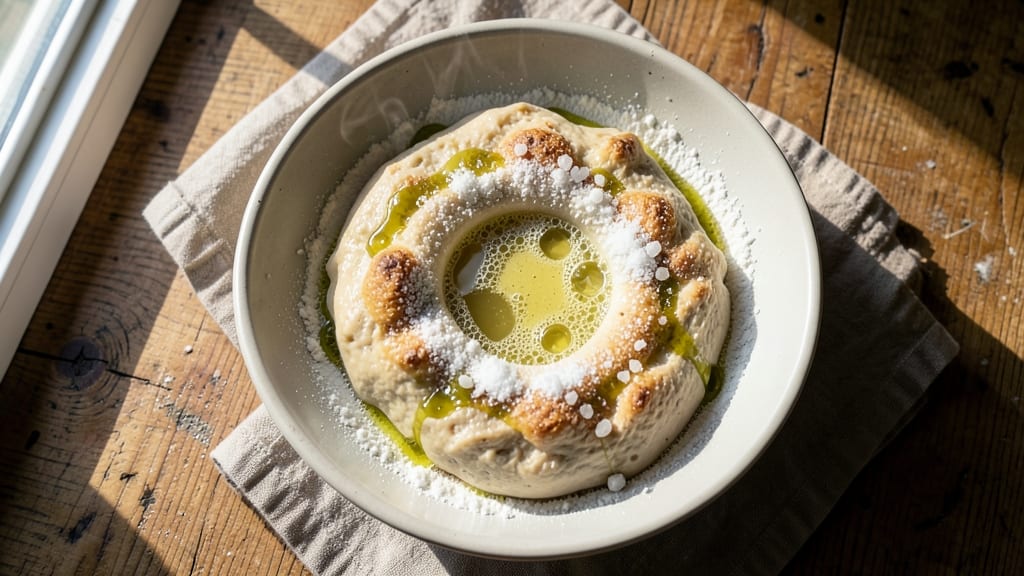
A 6-ingredient bread recipe that delivers restaurant-quality results with minimal effort is exactly what you need for weeknight dinners. This no-knead loaf requires just flour, water, yeast, salt, sugar, and oil—no fancy equipment or complicated steps.
I've tested countless variations, and this method consistently produces a perfectly textured, flavorful loaf every time, even for beginners.
The secret lies in the slow fermentation process, which develops deep flavor and a tender crumb without requiring kneading. You'll mix the dough in a bowl, let it rise overnight, then bake it to golden perfection.
The result? A crusty exterior with a soft, airy interior that's ideal for sandwiches, toast, or serving alongside soups.
This bread is foolproof—no measuring cups, no kneading, and no stress. The dough comes together in minutes, then rests while you sleep, so you wake up to the smell of fresh bread baking in your oven.
Customize it with herbs, seeds, or garlic for extra flavor, but the basic recipe is already packed with satisfying texture and homestyle warmth.
Perfect for meal prep, gifting, or simply enjoying fresh bread without the hassle. Let's get started with this simple, reliable loaf that proves great bread doesn't require complicated techniques.
Ingredients for 6 ingredient bread
Six simple ingredients transform into a restaurant-worthy loaf with no kneading required.
| Ingredient | Amount | Notes |
|---|---|---|
| All-Purpose Flour 🌾 | 4 cups | Unbleached preferred for softer texture |
| Warm Water 💧 | 1 ½ cups | 110°F for optimal yeast activation |
| Active Dry Yeast 🍞 | 2 ½ tsp | Ensure yeast is fresh (test in warm water) |
| Granulated Sugar 🍚 | 1 tbsp | Feeds yeast for better rise |
| Olive Oil 🫒 | 2 tbsp | Extra-virgin for subtle flavor |
| Kosher Salt 🧂 | 1 ½ tsp | Diamond Crystal preferred for balance |
The flour is your foundation—King Arthur or Gold Medal brands rise beautifully, but any all-purpose works. Yeast is non-negotiable here; check expiration dates and test it in warm water before mixing (it should foam within 5 minutes). For the water, lukewarm is key—too hot kills yeast, too cold slows activation. I always use a kitchen thermometer to hit 110°F. The olive oil adds tenderness, so don't substitute butter—it'll make the dough too stiff for the no-knead method.
No yeast? Instant yeast works 1:1, but active dry requires proofing first. Short on sugar? Honey or maple syrup at half the amount adds depth. Olive oil limited? Vegetable oil or melted coconut oil work, but flavor suffers slightly. The salt is crucial—Diamond Crystal measures differently than Morton, so use the recipe's amount exactly. For a whole wheat version, replace 1 cup of all-purpose flour with whole wheat, but expect a denser crumb. Always measure flour by scooping and leveling—never pack the cup.
Mix the dough in the evening, cover, and let it rise 8-12 hours at room temperature. The longer it ferments, the more flavorful it becomes. Shape the dough gently—no need to handle it much—then bake at 375°F for 30-35 minutes until golden. Store wrapped at room temp for 2 days or freeze for 3 months. I always bake two loaves—one for the freezer, one for the table. The crust stays crisp for days if stored properly.
Why You'll Love This Recipe
- Pantry Staples Only: I swear by this recipe because it uses exactly what’s already in my cupboards—no specialty trips or fancy labels. That warm water and olive oil combo? It makes the dough so soft and tender without any extra effort.
- Crusty Yet Simple: Honestly, the crust on this bread is chef’s kiss—crispy outside, pillowy inside—and I get it with zero kneading. Just mix, let it rise, and bake. That sugar in the dough caramelizes into a golden finish that’s impossible to resist.
- Weeknight Workhorse: Between us, this bread is my go-to for sandwiches, toast, or even garlic bread. I’ll make a big batch on Sunday, and it lasts me all week—no sad, stale loaves here. The yeast does all the heavy lifting while I do the easy stuff.
- Budget Magic: Six ingredients, zero waste. That’s how you feed a family without breaking the bank. The flour and sugar stretch far, and the olive oil adds richness without costing a fortune. My kids don’t even notice it’s “budget” bread—they just know it’s delicious.
Step-by-step instructions for no-knead bread
This minimalist loaf proves you don't need complexity for great bread—just patience and these simple steps.
Activate the Yeast in Warm Water
In a medium bowl, combine the 1.5 cups warm water and 1 tbsp granulated sugar. Sprinkle the 2.5 tsp active dry yeast over the surface and let it sit for 5-10 minutes until frothy. You'll see bubbles forming and the mixture expanding—this confirms your yeast is alive and ready to work.
Here's the thing—yeast needs warmth to activate, but not so hot it kills it. Test your water temperature with a thermometer or by dipping your finger in; it should feel warm like bathwater (110°F). If it's too hot, wait a few minutes for it to cool slightly before adding the yeast.
Mix the Dough Until Just Combined
Add the 4 cups all-purpose flour and 1.5 tsp kosher salt to the yeast mixture. Stir with a wooden spoon or dough whisk until a shaggy dough forms. Then add the 2 tbsp olive oil and mix until fully incorporated. The dough will be sticky but should come together when pressed.
This is where many recipes go wrong—overmixing develops gluten too early, making the bread dense. Instead, stop mixing as soon as the flour is fully hydrated and no dry bits remain. The dough should gather at the bottom of the bowl when you press it gently with your fingers.
Let the Dough Rest for 1 Hour
Cover the bowl with plastic wrap or a damp kitchen towel. Place it in a warm spot—like on top of your oven with the light on, or near a sunny window—for 1 hour. The dough should nearly double in size and become puffy and bubbly.
Resist the urge to peek or stir. Every time you disturb it, you release air bubbles and set back the fermentation process. If your kitchen is cold, the dough might take up to 90 minutes to rise properly. Patience here ensures a light, airy crumb.
Shape and Second Rise (30-60 Minutes)
Lightly flour a clean work surface and turn out the dough. Gently fold it over itself 2-3 times to strengthen the gluten without kneading. Shape into a loose round or oval, tucking the edges underneath. Place it seam-side up in a floured bowl.
Cover again and let rise for 30-60 minutes until puffy. The dough should spring back slowly when pressed with your finger—this indicates it's ready for baking. If your kitchen is warm, it might rise faster; if cool, give it extra time. The second rise develops flavor and structure.
Bake for a Crusty, Golden Loaf
Preheat your oven to 425°F with a Dutch oven inside for 30 minutes. Remove the Dutch oven and place the dough inside, seam-side up. Cover with the lid and bake for 25 minutes. Then remove the lid and bake for another 10-15 minutes until the crust is deep golden brown.
Here's where the magic happens: the Dutch oven traps steam, creating that perfect oven spring and crisp crust. Tap the bottom—it should sound hollow. If the top browns too quickly, tent loosely with foil. Let cool on a wire rack for at least 1 hour before slicing; this prevents a gummy crumb.
Pro Tips For Making 6 Ingredient Bread
- USE 110°F WATER: I learned this the hard way—yeast hates extremes. Too hot and it dies instantly; too cold and it takes forever to wake up. A quick thermometer check (or the "finger test"—water should feel warm but not hot to your wrist) ensures your yeast blooms reliably. No guessing, no wasted dough.
- MEASURE FLOUR BY WEIGHT: That kitchen scale isn’t just for show. Spooning flour into a cup leaves air pockets, and your bread will turn out denser than a brick. Weigh it at 350g (or whatever your recipe calls for) for consistent, light, and airy results every time. Yes, even if you’re in a hurry.
- LET THE DOUGH RISE TWICE: One rise is the bare minimum. After the first rise, punch it down and let it rest for 10 minutes—this relaxes the gluten and makes shaping easier. Then, shape your loaf and let it rise again until it’s puffy but not doubled. Patience here means a better crumb, not a sad, flat loaf.
- SWAP SUGAR FOR HONEY: Granulated sugar feeds the yeast, but honey adds depth and keeps the bread moist longer. Use 2 tablespoons of honey instead—it’s a tiny swap that makes a noticeable difference in flavor and texture. (And it’s easier to measure than you’d think.)
Best sauces and condiments for this dish
Classic Garlic Butter
Spread 2 tablespoons softened butter mixed with 1 minced garlic clove and a pinch of salt on warm slices. The garlic infuses into the bread's crust, creating a rich, savory contrast to the soft interior.
For extra flavor, add ½ teaspoon dried parsley or a sprinkle of red pepper flakes. 🧄
Honey-Lavender Glaze
Brush warm bread slices with a mix of 1 tablespoon honey and ½ teaspoon dried lavender (steeped in warm water for 5 minutes). The floral notes pair beautifully with the bread's crust, while the honey adds natural sweetness. Use this glaze for breakfast toast or dessert-style bread pudding.
Olive Oil & Rosemary
Drizzle baked bread with 1 tablespoon extra-virgin olive oil and sprinkle with ½ teaspoon chopped fresh rosemary. The Mediterranean flavors complement the bread's simplicity perfectly. For a stronger aroma, toast the rosemary leaves in a dry pan for 30 seconds before sprinkling.
Spicy Tomato Jam
Spread 1 tablespoon homemade tomato jam (simmer ½ cup crushed tomatoes, 1 tbsp sugar, and ½ tsp smoked paprika for 15 minutes) on toasted slices. The tangy-sweet jam adds depth, while the smoked paprika enhances the bread's crusty texture. Perfect for sandwiches or as a snack with cheese.
Cream Cheese & Everything Bagel Seasoning
Blend 2 tablespoons cream cheese with ½ teaspoon everything bagel seasoning and spread on warm bread. The creamy texture contrasts with the bread's crust, while the seasoning adds a salty, herby kick. Ideal for breakfast or as a quick appetizer with smoked salmon.
Balsamic Reduction
Simmer ¼ cup balsamic vinegar in a small saucepan until reduced to 2 tablespoons, then drizzle over toasted bread slices. The tangy, slightly sweet reduction elevates the bread's natural flavors. Pair with prosciutto or fresh figs for a gourmet touch. 🍇
Nutrition facts
Frequently asked questions
Can I make this bread without a Dutch oven?
Yes! If you don't have a Dutch oven, bake the dough on a preheated baking sheet lined with parchment paper. For better steam, place the dough in a metal bowl and cover it with foil before baking. The crust won't be as crispy, but the interior will still be tender and flavorful.
Why does my dough smell like alcohol?
That's normal! Fermentation produces alcohol and carbon dioxide as byproducts. The longer the dough rests (up to 12 hours), the more pronounced this aroma becomes. It indicates active yeast working and actually enhances flavor. If it smells overly sharp or vinegary, your dough may have over-fermented.
Can I add whole wheat flour to this recipe?
You can substitute 1 cup of all-purpose flour with whole wheat, but expect a denser texture. For best results, reduce water by 1 tablespoon since whole wheat absorbs more liquid. The crust will be less crispy, but the flavor will be richer. Start with a 50/50 ratio to test your preference.
How do I store leftover bread?
Wrap the bread tightly in plastic wrap or place it in an airtight container. Store at room temperature for 2-3 days or freeze for up to 3 months. To revive frozen bread, warm it in a 350°F oven for 10-15 minutes wrapped in foil. The crust stays crispy when stored properly!
What if my dough doesn't rise?
Check these three things: your yeast is expired (test in warm water first), your water isn't warm enough (110°F is ideal), or your kitchen is too cold. Try placing the dough in a warmer spot (like near the oven light) or extend the rising time to 2 hours. If it still doesn't rise, start fresh with new yeast.