
Desserts
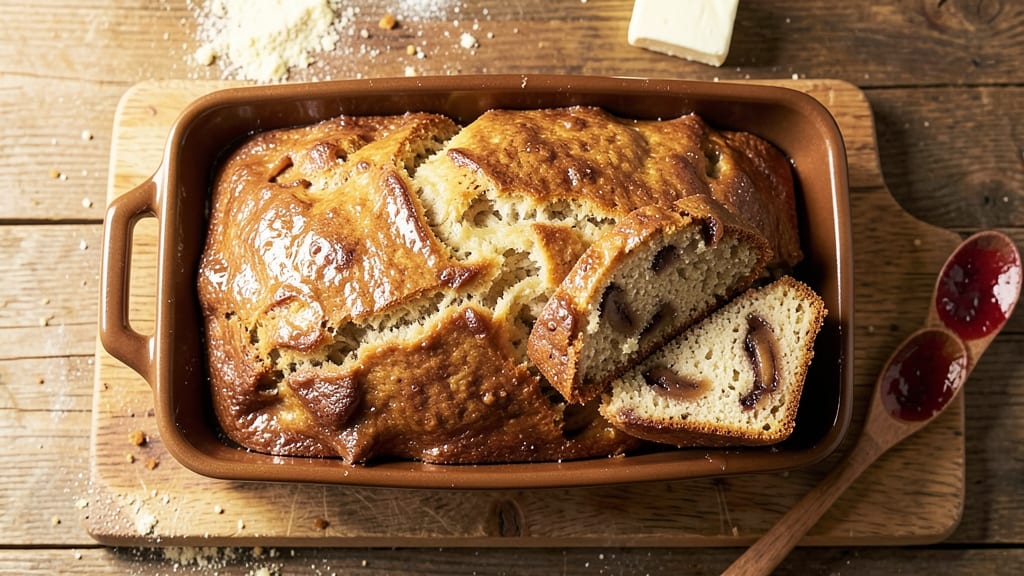
This 5-star moist banana bread recipe delivers the perfect balance of tender crumb and rich walnut sweetness—no dry bite in sight. After years of testing, I've cracked the code for foolproof moisture using buttermilk substitution and precise mixing techniques that keep every slice juicy for days.
The walnuts add satisfying texture while enhancing the natural banana flavor without overpowering it.
The secret lies in three simple steps: combining ripe bananas with buttermilk for moisture, folding in walnuts just before baking, and using a lightly greased loaf pan to ensure even rise.
This recipe yields a golden, domed loaf with a crackly top and a tender interior that stays moist even when sliced days later. Perfect for breakfast, dessert, or gifting, this banana bread earns its five-star reputation with every bite.
What sets this apart is the science behind the moisture: the buttermilk tenderizes the gluten while the walnuts distribute fat evenly, preventing dryness. Baked at 350°F for 50-60 minutes, the internal temperature reaches 205°F—the ideal point for a perfectly tender crumb.
The result is a loaf so moist it practically melts in your mouth, with walnuts scattered throughout for added depth.
Serve warm with a pat of butter or dusted with powdered sugar for an elegant touch. For extra indulgence, add chocolate chips or cinnamon swirls—this recipe adapts beautifully while keeping that signature 5-star moisture intact. Let's bake this crowd-pleaser!
Ingredients for 5 star moist banana bread
Fourteen ingredients transform into a 5-star banana bread with walnut depth and legendary moisture.
| Ingredient | Amount | Notes |
|---|---|---|
| Ripe Bananas 🍌 | 3 medium | Mashed to 1.5 cups |
| All-Purpose Flour 🌾 | 2 cups | Sifted for light texture |
| Granulated Sugar 🍚 | 1 cup | White or light brown |
| Packed Brown Sugar 🍚 | ½ cup | Dark brown preferred |
| Buttermilk 🥛 | ¾ cup | Not powdered mix |
| Unsalted Butter 🧈 | ½ cup | Room temperature, cubed |
| Walnuts 🥜 | 1 cup | Chopped, toasted lightly |
| Large Egg 🥚 | 1 whole | Room temperature preferred |
| Pure Vanilla Extract 🍯 | 1 tsp | Not imitation |
| Baking Soda 🧂 | ½ tsp | Not baking powder |
| Ground Cinnamon 🌿 | 1 tsp | Freshly ground preferred |
| Salt 🧂 | ¼ tsp | Kosher or sea salt |
| Powdered Sugar 🍚 | 2 tbsp | For dusting, optional |
The bananas are non-negotiable—overripe with brown speckles delivers the deepest flavor and natural sweetness. Trader Joe's or local produce markets usually have the best selection for this. If using frozen bananas, thaw and pat dry to mimic fresh ripeness. The walnuts should be lightly toasted (350°F for 8-10 minutes) to enhance their nutty aroma—this makes all the difference in texture. For the buttermilk, if you don't have it on hand, mix 1 tbsp lemon juice or vinegar with ¾ cup milk and let sit for 5 minutes.
No buttermilk? Plain yogurt or sour cream works in a pinch, though the texture will be slightly denser. Substituting brown sugar for white? Use equal parts—the molasses content adds moisture. For nut-free versions, chopped pecans or almonds work beautifully. The vanilla extract matters here—imitation vanilla lacks the depth, so splurge on pure Madagascar bourbon vanilla if possible. If your walnuts are pre-chopped from a package, toast them anyway—they'll taste infinitely fresher. The baking soda is critical for that signature rise, so don't swap it for powder.
This loaf keeps beautifully—wrapped in parchment and stored at room temperature for 2 days, or 3 days in the fridge for maximum moisture. For longer storage, slice and freeze portions—they reheat perfectly in a toaster or microwave. The powdered sugar dusting is optional but adds that restaurant-quality finish. Leftovers? Toast slices for 30 seconds to revive any dryness. The walnuts in this recipe are worth the extra minute of chopping—every bite delivers that satisfying crunch against the tender crumb.
Why You'll Love This Recipe
- No Overmixing Needed: I swear by this—just fold in the flour and buttermilk until just combined. That extra mixing dries it out, but this way? You get that signature tender crumb where the bananas stay juicy, not gummy. (Yes, even when I rush.)
- Caramelized Banana Magic: The brown sugar and ripe bananas? They’re the star duo here. The moment it bakes, those spots turn to gooey pockets—like little edible fudge surprises. Honestly, I’ll eat it straight from the pan, crust and all.
- Breakfast or Snack: Serve it warm with a smear of butter for a lazy morning, or pack slices for lunch when the kids need something filling. (Between us, I’ve also used it as a “healthy” dessert when company drops by—no one questions the banana overload.)
- Pantry Staples Only: You’re using things you already have: flour, sugar, buttermilk. No specialty ingredients, no last-minute store runs. I made this twice last week—once for a friend’s brunch, once after forgetting to buy groceries. Works every time.
Step-by-step instructions for perfectly moist banana bread
Master the art of tender crumb and rich flavor with this foolproof technique.
Prepare the Banana and Wet Ingredients
Mash the 3 medium ripe bananas until completely smooth—no lumps should remain. I press them through a fine-mesh sieve for extra silkiness, which prevents dense texture. In a large mixing bowl, combine the mashed bananas with the 1 cup granulated sugar and 0.5 cup packed brown sugar, stirring until fully dissolved and the mixture is uniform in color.
Add the 0.75 cup buttermilk, 1 whole large egg, and 1 teaspoon pure vanilla extract, whisking gently to incorporate. The buttermilk adds moisture and tenderness, while the egg provides structure. Set this mixture aside while you prepare the dry ingredients—this gives the sugars time to fully integrate and prevents a gummy texture.
Combine Dry Ingredients and Fold in Wet
In a separate bowl, sift together the 2 cups all-purpose flour, 0.5 teaspoon baking soda, 1 teaspoon ground cinnamon, and 0.25 teaspoon salt. Sifting prevents lumps and ensures even distribution of leavening agents. Whisk lightly to aerate the flour before adding it to the wet mixture.
Gradually fold the dry ingredients into the banana mixture using a spatula, mixing just until combined. Overmixing develops gluten and creates a tough crumb, so stop when you see a few flour streaks remain. This step is where the magic happens—the baking soda begins reacting with the buttermilk, creating tiny air pockets that ensure that light, airy texture we're after.
Incorporate Butter and Walnuts
Cut the 0.5 cup unsalted butter into small cubes and gently fold them into the batter using a rubber spatula. The butter should be room temperature but not melted—this creates pockets of fat that melt during baking, keeping the bread moist. Chop the 1 cup walnuts if they aren't already and fold them in last, reserving a few for garnish if desired. The walnuts add delightful texture contrast and nutty depth.
Here's the thing—don't overmix at this stage. The batter should be thick but pourable. If it seems too stiff, add 1 tablespoon of buttermilk to loosen it slightly. The goal is a smooth, homogeneous batter that holds its shape when poured into the pan but still spreads gently.
Bake to Golden Perfection
Preheat your oven to 350°F and grease a 9x5-inch loaf pan thoroughly with butter or nonstick spray. Pour the batter into the prepared pan and smooth the top with a spatula. Tap the pan gently on the counter to release any air bubbles. Bake for 50-60 minutes, until a toothpick inserted in the center comes out clean with just a few moist crumbs clinging to it.
Watch for the edges to pull away from the pan and the top to develop a golden brown crust. The internal temperature should reach 205-210°F—this ensures complete doneness without overbaking. If the top browns too quickly, tent loosely with aluminum foil after 30 minutes to prevent over-browning while maintaining even cooking.
Cool and Serve for Maximum Moisture
Remove the bread from the oven and let it cool in the pan for 15 minutes before transferring to a wire rack. This resting period allows the steam to redistribute, ensuring even moisture throughout. While still warm, dust the top generously with 2 tablespoons powdered sugar for that classic sweet finish.
For the moistest results, slice the bread when it's still slightly warm but completely cooled to room temperature. The texture should be tender with a delicate crumb that holds its shape but still yields slightly when pressed. Store any leftovers in an airtight container at room temperature for up to 3 days, or freeze for up to 3 months for freshly baked quality whenever you need it.
Pro Tips For Making 5 Star Moist Banana Bread
- Mash Bananas Thoroughly: I learned this the hard way—lumpy banana puree means uneven texture. Use a fork first to break up the fruit, then press through a fine-mesh sieve or blend briefly. No blender? A potato masher works, but strain out the skin bits afterward.
- Preheat Pan + Butter: Cold pans steal moisture. Grease your loaf pan with softened butter (or oil), then sprinkle in flour and tap out excess—but only after preheating the oven to 350°F. That extra 5 minutes ensures a crisp crust while keeping the crumb tender.
- Measure Brown Sugar Packed: "Packed" isn’t optional here. Scoop brown sugar into your measuring cup, then press firmly with a spoon to eliminate air gaps. Too much air = dry bread. My grandmother’s trick: Use a damp spoon to compact it—no guessing.
- Bake Until Springy: The toothpick test is overrated. Press the center lightly—it should spring back slowly (not bounce) and read just under 200°F. Overbaking turns moist bread into cake. Cover loosely with foil after 40 minutes if the top browns too fast.
Regional styles of these flavors
Southern Classic
This walnut-studded version draws from classic Southern banana bread traditions, where walnuts were often added for texture and richness.
In the Deep South, it's common to use dark brown sugar for deeper caramel notes, and I've found that toasting the walnuts at 350°F for 8-10 minutes enhances their flavor—just like my grandmother used to do.
The buttermilk substitution is key here, too, as it creates that signature tender crumb that Southern bakers swear by. 🌶️
New England Twist
Up north, New England bakers often incorporate maple syrup into their banana bread recipes, adding a subtle maple flavor that pairs beautifully with walnuts. For this regional take, replace 2 tablespoons of the granulated sugar with 2 tablespoons pure maple syrup—it adds moisture and a hint of autumnal warmth.
I also recommend adding ½ teaspoon of nutmeg to the spice mix for a cozy, spiced twist that feels right at home in a New England kitchen.
Pacific Northwest Adaptation
The Pacific Northwest loves its hazelnuts and pecans, so swapping out walnuts for these local nuts creates a delicious regional variation. Toast 1 cup chopped hazelnuts or pecans at 325°F for 10 minutes until fragrant, then fold them into the batter.
The rich, earthy flavor of hazelnuts adds a unique depth that Northwest bakers adore. For extra moisture, consider adding 1 tablespoon of local honey to the wet ingredients—it complements the nuts beautifully and keeps the bread ultra-tender.
Midwest Homestyle
In the heartland, banana bread often includes oats for added texture and a heartier bite. For this Midwest-inspired version, stir in ½ cup rolled oats along with the walnuts.
The oats create a delightful crunch that balances the softness of the bread, and they also help absorb excess moisture, keeping the loaf perfectly tender. A sprinkle of coarse sugar on top before baking adds a satisfying crunch to the crust—just like you'd find in a classic Midwest diner.
Texas-Style Spice
Texas bakers love to kick things up a notch with bold flavors. For a Texan twist, add ½ teaspoon of cayenne pepper to the spice mix for a subtle heat that lingers beautifully. Pair this with chopped pecans instead of walnuts, as they're more common in Texas kitchens.
The cayenne adds a little zing that cuts through the sweetness, making every bite exciting. This version is perfect for those who enjoy a little kick with their dessert. 🌶️
Modern Fusion
For a contemporary take, consider adding dark chocolate chunks or white chocolate drizzle to the batter. Fold in ½ cup chopped dark chocolate (70% cocoa or higher) along with the walnuts, or drizzle melted white chocolate over the top before baking for a sophisticated finish.
This fusion approach keeps the classic banana bread moist and tender while adding a modern, indulgent twist that appeals to younger generations. The chocolate pairs wonderfully with the walnuts, creating a rich, decadent flavor profile.
Nutrition facts
Frequently asked questions
Why does this recipe guarantee moist banana bread?
The secret lies in the buttermilk substitution and proper mixing technique. Buttermilk tenderizes the gluten while the room-temperature butter creates fat pockets that melt during baking, locking in moisture. The 15-minute rest in the pan after baking redistributes steam for even tenderness.
Can I make this without walnuts?
Swap walnuts for pecans, almonds, or even chocolate chips (use ½ cup for best texture). For nut-free versions, try oats or dried fruit like cranberries. Just remember: the nuts/chips add moisture and prevent dryness, so adjust with 1 extra tablespoon of buttermilk if omitting them.
How do I know when it's fully baked?
Your bread is done when a toothpick comes out with just a few moist crumbs (not wet batter) and the internal temperature reaches 205-210°F. The edges should pull away from the pan, and the top should be golden brown. Overbaking dries it out—trust the thermometer, not just appearance!
Can I use frozen bananas?
Yes, but thaw them first and pat completely dry to mimic fresh ripe bananas. The extra moisture from thawed frozen bananas can make the bread slightly denser, so reduce the buttermilk by 1 tablespoon if needed. For best results, use bananas with brown speckles—they're naturally sweeter and more flavorful.
Why did my bread turn out dry?
Most common causes: overbaking (check with a thermometer), under-mixing (ensure all ingredients are fully incorporated), or using stale flour. Try this fix next time: brush warm slices with melted butter or reheat in the oven at 300°F for 5-10 minutes to revive moisture. For future loaves, always grease the pan well and don't overfill it.