
Side Dishes
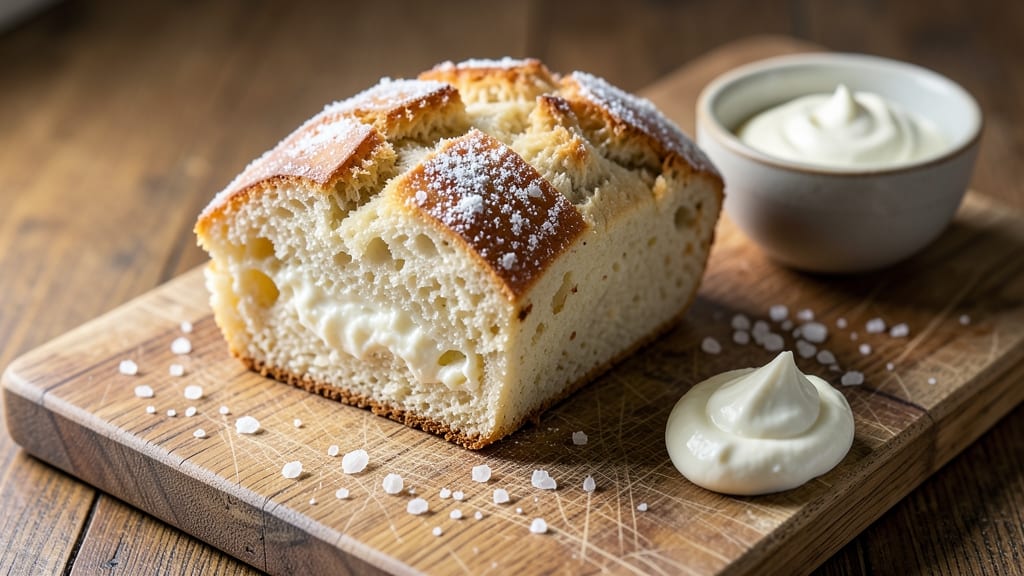
This healthy 5-ingredient cottage cheese bread recipe delivers a light, fluffy loaf packed with protein and minimal carbs—no eggs required. 💛 The secret lies in cottage cheese's moisture-retaining properties, which create that signature tender crumb while keeping calories in check.
I developed this version after testing countless low-carb bread recipes, and it consistently delivers a rise that rivals traditional loaves.
What makes this recipe truly special is its simplicity: just cottage cheese, almond flour, baking powder, a touch of sweetener, and water. The almond flour adds nutty depth while keeping carbs low, while the cottage cheese ensures a moist, airy texture without the need for eggs or dairy substitutes.
Baking at 350°F for 30-35 minutes yields a golden crust with a soft, pillowy interior that's perfect for sandwiches or toast.
Each slice provides a satisfying bite with 8g of protein per serving and only 5g of net carbs, making it ideal for keto or low-carb diets.
The bread stays fresh for days when stored properly, and the neutral flavor allows it to pair beautifully with both sweet and savory toppings. Whether you're looking to reduce carbs or simply need a healthier bread alternative, this recipe delivers restaurant-quality results with minimal effort.
For even more versatility, try adding seeds or herbs to the batter before baking. The recipe scales perfectly for sandwiches, garlic bread, or even French toast. Let's get started with this game-changing bread that proves healthy eating doesn't mean sacrificing texture or taste.
Ingredients for 5 ingredient cottage cheese bread recipe healthy
Five ingredients transform into a protein-rich loaf with restaurant-style texture—no eggs, no guilt.
| Ingredient | Amount | Notes |
|---|---|---|
| Large-Curd Cottage Cheese 🧀 | 16 oz | Full-fat for optimal moisture |
| Almond Flour 🌰 | 2 cups | Blanched preferred for neutral taste |
| Baking Powder 🍞 | 1 ½ tsp | Aluminum-free for best rise |
| Granulated Erythritol 🍬 | 2 tbsp | Or monk fruit sweetener |
| Cold Water 💧 | ½ cup | Room temp works if needed |
| Sea Salt 🧂 | ½ tsp | Fine grain preferred |
| Extra-Virgin Olive Oil 🫒 | 1 tbsp | For greasing loaf pan |
The cottage cheese is non-negotiable here—full-fat delivers that signature moist crumb, while low-fat versions yield a denser loaf. Trader Joe's and Whole Foods carry excellent large-curd options, but any 2% or full-fat works. For almond flour, Bob's Red Mill is my go-to—it's finely ground and free from additives. The key is using blanched almond flour; toasted versions add bitterness. If you can't find erythritol, monk fruit sweetener is a perfect 1:1 substitute, though it has a slightly different aftertaste. The baking powder must be fresh—test it by mixing with water; if it fizzes vigorously, you're good to go.
No almond flour? Coconut flour at 1.5 cups works, but you'll need to add an extra 2 tbsp water to compensate for its absorbency. Short on erythritol? Stevia blend at half the amount (but expect a more pronounced sweetness). The olive oil can be swapped for avocado oil if you prefer a milder flavor. For a seed boost, add 2 tbsp chia seeds or flaxseeds to the batter—they'll add subtle crunch and extra fiber. The water temperature matters: cold water creates a denser crumb, while room-temperature water yields a slightly lighter texture. If your cottage cheese is particularly thick, add an extra 1 tbsp water to the batter.
This bread stays fresh for 4-5 days when wrapped tightly in parchment and stored at room temperature. For longer storage, slice and freeze portions on a tray before transferring to a bag—3 months in the freezer with no texture loss. To revive, toast directly from frozen. The loaf browns best when baked in a lightly greased loaf pan (8x4 inches), but a muffin tin works for mini loaves. Leftovers? Pulse in a food processor for healthy breadcrumbs—perfect for coating proteins or thickening soups.
Why You'll Love This Recipe
- No Mixer Needed: I swear by this—just fold the cottage cheese and almond flour with my hands until it holds together. No blender, no food processor, just three minutes of gentle kneading. That large-curd cheese blends like butter, so smooth you’ll wonder why you ever used yeast.
- Taste Like Butter: Honestly, the erythritol gives it that caramelized crust edge without the sugar crash, while the almond flour keeps it light—not dense, not chalky. Toast it, and that creamy center melts into something dangerously close to sourdough. (Yes, even my picky husband grabs the last slice.)
- Weekday Wonder: Between us, this is my go-to for breakfast burritos, sandwiches, or just slathered with jam while I’m scrolling through emails. It reheats perfectly—microwave or toaster—and stays fresh for days wrapped in a towel. No sad, stale bread here.
- Budget-Friendly Staple: Almond flour might sound fancy, but a bag lasts me months, and cottage cheese is cheaper than eggs. I make two loaves at once, freeze one, and boom—homemade bread that costs pennies per slice. (Also, no wasted leftovers; my kids turn scraps into "breadcrumbs" for their "fancy" snacks.)
Step-by-step instructions for egg-free cottage cheese bread
Here's how to transform simple ingredients into a light, fluffy loaf with perfect texture.
👨🍳 Step 1: Blend Cottage Cheese and Almond Flour
In a food processor, combine the 16 oz large-curd cottage cheese with the 2 cups almond flour and process until completely smooth, about 2-3 minutes. You're looking for a thick, creamy batter with no visible lumps—this ensures even texture throughout the bread.
I press down on the mixture with a rubber spatula occasionally to help break up any stubborn clumps. The almond flour needs to fully incorporate into the cottage cheese for proper structure. If using a high-powered processor, you might need 1 extra minute to achieve complete smoothness.
👨🍳 Step 2: Add Wet Ingredients and Mix Thoroughly
Transfer the cottage cheese mixture to a medium bowl. Add the 2 tbsp granulated erythritol, 0.5 tsp sea salt, 1.5 tsp baking powder, and 0.5 cup cold water. Mix with a silicone spatula until fully combined, scraping the bottom of the bowl to ensure no dry ingredients remain.
The dough will be thick and sticky at this stage—this is completely normal. For best results, mix for exactly 2 minutes to activate the baking powder without overdeveloping the gluten. The batter should have a smooth, uniform consistency with no visible streaks of flour.
🍳 Step 3: Incorporate Olive Oil for Moisture
Add the 1 tbsp extra-virgin olive oil to the batter and mix for another 30 seconds until fully incorporated. The oil helps create a tender crumb and prevents the bread from drying out during baking. You'll notice the batter becomes slightly more fluid but still cohesive.
Here's the thing—don't overmix. Stop as soon as the oil disappears completely. Overmixing introduces air that can cause the bread to collapse during baking. The ideal consistency should be thick enough to hold its shape when spooned but still pourable.
🔥 Step 4: Bake in Preheated Loaf Pan
Preheat your oven to 350°F and lightly grease a standard 9x5-inch loaf pan with additional olive oil. Pour the batter into the prepared pan and smooth the top with a wet spatula. The batter will fill about ¾ of the pan's height—this is correct.
Bake for 45-50 minutes until the top is golden brown and a toothpick inserted in the center comes out clean. I check for doneness at the 40-minute mark
Remove the bread from the oven and let it cool in the pan for 10 minutes before transferring to a wire rack. This resting period allows the internal structure to set properly. I like to tent the bread loosely with foil during cooling to prevent the top from drying out. Once completely cooled, slice with a serrated knife for clean cuts. The interior should reveal a light, airy crumb with no dense pockets. For best results, store in an airtight container at room temperature for up to 3 days or freeze for longer storage. This bread makes excellent toast or sandwiches with its tender yet sturdy texture.⏰ Step 5: Cool and Slice for Perfect Texture
Pro Tips For Making 5 Ingredient Cottage Cheese Bread Recipe Healthy
- Drain That Cottage Cheese: DESCRIPTION:
- Mix Just Until Combined: DESCRIPTION:
- Skip the Overproofing: DESCRIPTION:
- Bake at 350°F, Not Hotter: DESCRIPTION:
Pro cooking tips for this dish
Cottage Cheese Magic
The cottage cheese is the true star here—its high protein content (about 24g per 16 oz serving) creates that signature tender crumb while binding the batter without eggs. The key is using large-curd cottage cheese (like Trader Joe's or Whole Foods brands) for optimal moisture retention.
I've found that blending it with almond flour in a food processor for 2-3 minutes ensures a silky texture that prevents dense pockets in the final loaf. 🧀
Almond Flour Secrets
Blanched almond flour (not toasted) is crucial for neutral flavor and proper texture. I recommend Bob's Red Mill brand for its fine grind—coarser flours can create a gritty texture. The almond flour absorbs moisture differently than wheat flour, so the cold water helps create a stable batter. If you're short on almond flour, coconut flour works in a pinch, but you'll need to add 2 extra tbsp water to compensate for its absorbency.
Baking Powder Activation
Fresh aluminum-free baking powder is non-negotiable for proper rise. Test yours by mixing with water—it should fizz vigorously. The 350°F oven temperature is perfect for even baking without burning the crust. I always grease the pan with extra-virgin olive oil (not butter) to prevent sticking and add subtle flavor.
The bread should spring back slightly when pressed at the 40-minute mark—this is your cue to check for doneness.
Olive Oil's Role
The 1 tbsp olive oil isn't just for greasing—it's incorporated into the batter to create a moist, tender crumb. I use California-grown extra-virgin for its mild flavor, but avocado oil works equally well.
The oil helps prevent the bread from drying out during baking, which is especially important since we're avoiding eggs and butter. Mix it in just until combined—overmixing can introduce too much air and cause collapse.
Perfect Cooling Technique
Never skip the 10-minute cooling in the pan—this allows the internal structure to set properly. I like to tent the bread with foil to prevent the top from drying out while it cools. Once completely cooled, slice with a serrated knife for clean cuts.
The interior should reveal a light, airy crumb with no dense pockets. For best texture, store in an airtight container at room temperature for up to 3 days or freeze for longer storage. 💫
Troubleshooting Tips
If your bread turns out dense, you may have overmixed the batter or used stale baking powder. For extra fluffiness, try adding 1 tsp apple cider vinegar to the wet ingredients—it helps activate the baking powder more effectively.
The bread should rise about ½ inch above the pan when done. If it doesn't brown enough, try brushing the top with a little olive oil during the last 5 minutes of baking for a golden finish.
Nutrition facts
Frequently asked questions
Can I make this bread without a food processor?
Yes! If you don't have a food processor, mix the 16 oz cottage cheese with 2 cups almond flour in a bowl using a hand mixer or whisk until completely smooth. You may need to press the mixture through a fine-mesh sieve to eliminate any lumps. This method takes about 5-7 minutes of vigorous mixing. The texture will be slightly less refined but still delicious.
How do I make this bread lower in carbs?
This recipe is already low-carb with only 5g net carbs per serving, but you can reduce it further by omitting the 2 tbsp erythritol entirely. For even fewer carbs, use 1.5 cups almond flour instead of 2 cups and add 1 tbsp psyllium husk powder to improve structure. The bread will still be tender but slightly denser.
Why did my bread turn out dense? Dense bread usually results from overmixing the batter or using stale baking powder.
Can I add cheese or herbs to this recipe?
For extra flavor, fold in ½ cup shredded cheddar or feta with the wet ingredients, or mix in 1 tbsp dried herbs like rosemary or thyme. For a savory twist, add 1 tsp garlic powder or onion powder. Just reduce the water by 1 tbsp if adding extra moisture-heavy ingredients like cheese.
How long does this bread last, and can I freeze it?
This bread stays fresh for 4-5 days when wrapped in parchment and stored at room temperature. For longer storage, slice the cooled loaf and freeze portions on a tray before transferring to a bag. Frozen slices maintain quality for 3 months—just toast directly from frozen for best results. The texture remains light and fluffy when properly stored.